If you’re wondering how to get to paradise, you should know that getting there is not quite as easy as being there. For us, the process was as follows: Schedule a doctor’s appointment to get malaria medication and begin taking it several days prior to the trip If you’re leaving in winter, are far away … Read more Raja Ampat
To wander into a restaurant in Harbin, the capital city of China’s northernmost province, is to find a scene not too unlike one you might find in a ski lodge. Red faces appear frozen in their last expression, hands cling desperately to hot beverages, mounds of clothes lay piled on any available furniture, and, perhaps … Read more Harbin
Pictures can only prepare you so much for the reality that they depict. Just as watching your favorite actor in your favorite movie can never dull the feeling of fluster and starstruckedness upon seeing them walking past you on the street, so a photograph of a beautiful place can never fully prepare you for the … Read more Bagan
“Mei you hua,” the fruit vendor shouted in a bemused tone as we hiked past her stall perched on the hillside. We were making our way through the mountainous countryside of Wuyuan in hopes of seeing the region’s valleys flooded by the seasonal rapeseed flower and were just told that there weren’t any. The bright … Read more Wuyuan
If the beauty of a place is measured by the amount of wows muttered and gasps taken while witnessing it, then China’s Jiuzhaigou National Park may very well be the most beautiful place we’ve ever seen. With lakes so blue they practically glowed through the damp browns and greens of the forest surrounding them to … Read more Jiuzhaigou
“Hmm, that black speck moving across the horizon is much bigger than the other specks” we thought to ourselves, lazily gazing out at the animals moving around the giant, man-made lake sitting outside the Sri Lankan town of Polonnaruwa. The small specks were unmistakably cows, aimlessly grazing on the tall grass surrounding the lake, but what was the big one? Its movements, unlike the cows, were purposeful as it strode out of the surrounding forest and towards the lake. Slowly, the word popped into our heads, “Elephant!” Distracted by the familiarity of lakes and cows, we forgot that we were in a place where you could look out at any point and see a wild elephant wandering across the landscape. For us, this was Sri Lanka, never quite what we expected it to be, but always surprising us in the best of ways.
The lone elephant making its way to the lake
If we were to describe to you a town surrounded by fields, filled with friendly, English-speaking locals, with a couple of local diners on its main street along with one good grocery store, you could be mistaken for picturing a small, midwestern town in the U.S.A. If we added in a bit about a local guesthouse owner, upon our arrival, giving us directions to one of those diners by saying, “Take a right, then another right and when you get to the clock tower, keep going and you’ll find some restaurants past there,” you may be sure of your suspicion. It wouldn’t be until we got to the part about roaming wild elephants, troops of monkeys, locals bathing in rivers, and UNESCO-recognized ancient ruins sitting within the town limits that you would begin to think otherwise. So was the allure of Polonnaruwa, with all of the charm you could want from a small town and all of the experiences you could expect from a world-renowned tourist destination.
Following the directions given to us by our guesthouse owner, we peddled into the town, past fields so green they appeared artificial as they swayed in the gentle breeze pushing in off the lake. Fruit vendors dotted the side of the road, their stalls decorated by a colorful arrangement of tropical fruits, some of which we had never seen before. Slowly along the route, guesthouses and hotels started becoming more frequent sights and finally the clock tower came into view. Heeding the advice given to us, we rode past it and pulled our bikes off to the side of the road, continuing our search for lunch on foot. There was no need to lock our bikes, we were told, as no one in the town would bother to steal them, a theory that held true for the entirety of our time there. In fact, on one occasion we returned to our bikes to find that someone had even moved them off the side of the road to a shady patch under the awning of a convenience store. We were never at a loss to find examples of the warmness of locals in Polonnaruwa.
One of the greener than green fields that we rode past
The first shop we passed resembling a restaurant was what looked like an oversized closet with pictures of fruit smoothies plastering its exterior. Having had nothing to eat that day besides the variety of treats paraded down the aisle on our train from Colombo to Polonnaruwa that were fried to a degree suitable for a state fair, our bodies were craving nutrients and a place advertising fresh fruit smoothies seemed like a good place to start. As we entered the shop though, we found that smoothies were the only thing on the menu and the owner, aware that we were looking for a bit more than a glass of fruit juice, pointed us to a restaurant across the street that his friend owned.
If ever there was place that truly embodied the phrase hole-in-the-wall restaurant, the establishment that we were crossing the street and walking towards would certainly have been it. The roof consisted of several crooked sheets of rusted tin, the outside walls were faded and tattered, and the interior a collection of old and worn furniture that lined the stained and peeling walls. As we sat down, the owner pointed us in the direction of a large bowl of rice and four earthen pots sitting buffet style on a table near the entrance. We filled our plates with the rice along with the lentil curry, minced jackfruit, and a couple of other things we couldn’t identify that filled the bowls along with a handful of baked pita bread crisps. An ice cold Pepsi served in an opaque and chipped glass waited for us back at our table.
While on vacation, the little voice in the back of our head meant to warn us against the possibility of food poisoning at sketchy-looking restaurants always gets a bit louder, as if our mind has given it a higher pedestal to shout from just to be safe. In this instance though, the voice was silent. Despite the less than ideal conditions for a place preparing our food, we had an overwhelming feeling that the restaurant was well-taken care of, a feeling that was justified by our meal, which was one of the best we would have during our time in the country. As we left the restaurant, a man in shabby business clothes took a momentary break from eating his lunch with his fingers, as most in the country do, to look up at us and, in a delightful but fleeting way, say in perfect English, “Best buffet in town!” before returning to his meal. As we said, always being surprised in the best of ways.
After leaving the restaurant, and with little time left in the day, our agenda for the afternoon was limited to a bike ride through the town to familiarize ourselves with its layout before the next day’s more thorough exploration. Our ride took us to the entrance of the ancient city, past the lake where we saw the elephant emerge from the forest in pursuit of an early-evening bath, and to a small outpost of ruins that were aptly named as there wasn’t much left of them apart from crumbling heaps of brick, crooked columns whose ceilings had long since disappeared, and one pristinely preserved statue carved out of a rockface.
The most well-preserved part of the outpost of ruins we stopped off at
Arriving back at our guesthouse at dusk and with time to spare before dinner, we went on a short walk towards the last remnants of the day’s sunset, an orange glow emanating from the distant mountains. As we watched the glow become slowly overtaken by the veil of night, we could see what looked to be a flock of birds steadily flowing out of the horizon. Their methodical movements across the sky left us hypnotized, a state that was only broken when one flew overhead. Its size astounded us. In the distance, the flying creatures had appeared like small dots but overhead, they were more the size of a hawk. “Surely, they can’t be hawks though,” we thought to ourselves as there were hundreds of them streaming across the sky. We watched as another darted by, then another, then another until finally one flew by slow enough for us to notice that it had webbed wings, after which we made the horrifying but exciting connection that these weren’t birds at all, rather bats! We watched, entranced by their graceful flock, for as long as we could until the night grew to a degree that made the mammals nearly invisible to the eye. As we entered back into the gate of our guesthouse, we were told that dinner was ready, a delicious home-cooked affair prepared by the owner and his mother that we unashamedly devoured before retiring to our room for the night.
The sun had barely risen on our second day in Polonnaruwa before we were on our bikes and heading towards the ruins of the ancient garden city that drew tourists to the small town by the thousands. Our tickets, large and thick enough to make one expect to find bark on their outer edges, were purchased at the site’s museum which we toured for a brief briefing on the ruins before peddling through the gates and beginning our exploration of the city.
Before going to the ruins, we were told they they were relatively compact, accessible by bike and seeable in an afternoon. While the first two held true, we began to question the authenticity of the latter piece of advice as soon as we pulled up to our first site: the Royal Palace. As we got off our bikes, we found ourselves taking in a scene that looked like it had been plucked from the pages of a storybook. Paths shot off in every direction, running past various ancient buildings and out of sight over the meager hills of the landscape. The trees that filled the grounds had bark that appeared like a collection of bulging veins that wove through each other down the trunk of the tree before slithering menacingly into the ground below. The palace itself, which once stood seven stories high, was now a jagged heap of bricks whose magnificence had long since faded but whose allure was still very much intact. An otherworldly light was cast over the scenery from the sporadic canopy hanging overhead. We wandered around the grounds aimlessly, as no direction seemed like the right one to go in, eventually settling on a nice place to sit and take in all that was laid out before us.
One of the buildings surrounding the palacePeeking out from one of the now ornamental pillarsGetting up close to the unique trees that populated the groundsIn front of the Royal Palace
Very aware of the extent of sights that still awaited us, we decided to leave the Royal Palace ruins behind and head to the next main sight in the city: the Quadrangle. Inciting flashbacks to the horrors of elementary geometry, we were relieved to find that the sight had nothing to do with math and everything to do with ancient ruins. The Quadrangle got its name from the four walls surrounding it, whose short and thin nature made us believe that they served more as boundary markers than to hinder anyone from entering. Inside the walls, a trove of religious buildings lay spread across the grounds, each one in a varying state of ruin. What caught our eye the most, apart from the buildings themselves or the statues that filled them, were the semi-circle slabs of stone that sat at the foot of many of the doorways. The name for them, moonstones, was as beautiful as the stones themselves.
Standing on the lotus flower part of the moonstone
Named so because of their semi-circular cut, the moonstones feature various animals chasing each other in a ringed fashion across their borders. While debated, the animals are said to represent the four noble truths of life recognized in Buddhism, which are – prepare yourself – birth, decay, disease and death, which most seem to be antonyms of life, but, when thought about, sadly make sense. Beneath the animals ran a band of leaves said to represent desire, below which a lotus flower sat. It is said that once one can master the four noble truths of life and learn to suppress desire, they can reach Nirvana, represented by the lotus flower. A lot of meaning packed into a stone and a constant reminder of one’s beliefs as they passed over it to enter the Buddhist temples and structures that the moonstones sat outside of.
A moonstone sitting at the entrance of the Vatadage
As we walked around the grounds of the Quadrangle, we began to notice that our ability to tour the temples barefoot was becoming increasingly hindered due to the sun beating down on the bare floors of the roofless structures. Like grabbing a plate that a waiter tells you is very hot only to find that it is indeed very hot, we tested our ability to walk on the scorched stones over and over again, burning our feet as a result and leaving us to dash pathetically towards any shade in sight. Faced with this inability to tour the temples, we decided to leave the Quadrangle, and the rest of Polonnaruwa, for later viewing once the sun was a bit lower on the horizon.
A lonely statue amidst rows of pillarsThe Vatadage, one of the Quadrangle’s more aesthetically pleasing buildingsLooking up at a Buddha face from inside the roofless VatadageA dismembered statue inside the VatadageA smaller building at the entrance of the Quadrangle, it looks as if the branches and leaves of the tree are providing it with a roof
The second half of our day in the ancient city began with us being captivated not by the ruins but rather by the monkeys that called them home. As we pulled up to Gal Vihara, the first sight on our agenda for the afternoon, we noticed a rather large gathering of macaques huddled around a collection of waste bins sitting outside the souvenir shops of the area. We had seen a monkey or two scampering about the grounds earlier, but this was a full-fledged village and well worth a closer look. Inch by inch, we made our way up to the outskirts of their micro-community, watching in wonder as everyday monkey life unfolded before our eyes. There were toddlers testing their limits as they leapt from one branch to another, usually failing to come close to their intended target, adolescents chasing each other around and causing havoc that an irritated adult would sometimes speak up about, and mothers, sitting idly by and watching nervously as their children played, sometimes swooping in to stop a kid they had decided was being too dangerous or inappropriate. We watched on, our unfailing interest in the monkeys being matched only by their complete uninterest in us. Eventually, a voice in the back of our heads reminded us of the plethora of sights awaiting us and we bid farewell to the macaques and began making our way towards Gal Vihara.
A baby monkey ready to spring into actionGetting some motherly adviceAn intimate moment between mother and childAlong for the ride
While ancient, to call Gal Vihara ruins would be a drastic overstatement. The humble collection of four Buddha statues, etched into the swirling, marbled granite of the site, looked as if they could have been carved yesterday, their features smooth and unblemished as they ran across the stone’s surface. The rules of erosion and time that existed in such perfect unity throughout the rest of Polonnaruwa didn’t seem to apply here.
The marbled appearance of the rock carvings at Gal ViharaOne of the immaculately preserved statues at the siteA crowd taking in the reclining Buddha
After leaving Gal Vihara, I would have another encounter with the primates of Polonnaruwa, this time with the resident langur, the macaques less intelligent cousin, which was evident in their blank gaze that was broken only for the occasional itch. Separated from Kate at this point as we had split off to pursue our own interests at the current site we were at, I came across a couple of slouched langurs sitting on a crumbling wall. Mistaking their vacant expression and idle state for a creature unwilling to move, I crept closer as there was was no sign that they were even aware of my presence. After taking several pictures and pulling the camera lens away from my eyes, I was startled to see that the monkey I was snapping a photo of had moved. My surprise quickly turned to pure terror as I realized that the monkey had moved to begin its pursuit of me. No experience in my life has ever quite prepared me for an angry monkey, only a few feet away, sprinting towards me with malintent, so I relied on my primal instincts and ran madly until the monkey gave up its pursuit. I was thankful that the langur had the attention span of, well, a langur and doubly thankful that there were no other people around to witness my desperate dash.
One of the langurs that I stumbled acrossIn case you are curious, this is what a langur looks like just before it’s about to chase after you……and this is what it looks like after it’s given up its pursuit
The rest of the day would see us stop off at other various sights within the grounds, each as inspiring as the one that came before it. While walking past half missing statues that towered into the barren sky or past trees as timeless as the buildings that they were crawling over, you couldn’t help but feel small, like an ant crawling over a piece of gold, completely unaware of the true value of it.
The lighting makes it hard to see, but at the back of the temple is a two-storey high statue standing against the wallThe setting sun illuminating some of the many pillars standing throughout the cityPillars holding up the skyA tree crawling over a brick wallA fellow tourist staring up at a very large stupa
The slogan for the whole of Sichuan province is “more than just pandas” in a clear nod to the area’s most famous resident and biggest draw for tourists. Wanting to put that slogan to the test, we decided to spend our first day in the province’s capital, Chengdu, seeing what else it had to offer.
To our delight, it had many, and, conveniently enough, most of those places fell within walking distance of our hostel: Chengdu Mix Hostel Backpackers. So, after a very modest breakfast of toast and instant coffee, we grabbed our umbrellas and headed out into the city, our first destination being Wenshu Monastery.
The main hall of the monasteryLion faces on one of the building’s roofsFinding our way through the grounds
Just coming from one of the most beautiful national parks in all of China, if not the world, it was a bit disheartening being in a city again, which is why the monastery was a perfect starting point for our time in Chengdu. Upon stepping into its grounds, the noise and bustling environment of the streets and shopping districts surrounding it all but vanished into a perfectly peaceful balance of gardens and temples, offering us a much needed middle ground in our transition from the natural world to the industrial one. There were people there of course, but we seemed to be more of a bother to them than they were to us. Nothing ruins an 8 a.m. tai chi session like a couple of camera wielding tourists idly wandering in circles around you.
A scene in the monastery’s gardensOne of the many statues encased throughout the groundsAn elegant pagoda
As we worked our way further into the grounds, we were met with familiar sights from countless other temples we have visited during our time in China. The gardens, buildings, and statues don’t vary drastically from one to the next, but, somehow, each temple still finds a way to distinguish itself from its peers, offering at least one thing that’s unique to that particular one. In the case of Wenshu Monastery, this came in two forms: one, a hall atop the main building where thousands of Buddha figurines sat encased in individual glass boxes, each one placed there as an offering from a congenial congregant (or so we guessed); and two, the fact that we had gotten there during prayer time and were able to see monks leading processions and prayers around the temple. As the latter began, the sound of gongs echoed off the walls of the closely clustered buildings, underscored by the uniformed murmuring of prayers. It was all very calming, but, not wanting to intrude too much on their time of worship, we didn’t stick around for very long, instead opting to begin our search for the exit.
Some of the many Buddha figurines we saw in the main hallMonks leading prayersA monk heading towards the light
By the time we found it, late morning had arrived and we headed to the nearby Aidao nunnery for their daily vegetarian lunch. We wouldn’t have known about the lunch had our hostel not recommended it to us as one of the more unique experiences one could have in Chengdu. Eager to see why, we cluelessly strolled into the nunnery, hoping that the location and details of the lunch would be evident…they weren’t. So, through a series of simple questions (literally “where is lunch?”) aimed at anyone who would listen, we eventually found our way to the dining hall where one of the regulars took us under her wing and explained the process to us through a series of powerful jabbing points to her gaping mouth, then her stomach, then to the dining hall. If we hadn’t known lunch was available before meeting her, we most definitely would have afterwards.
The main hall of Aidao NunneryA man waiting for lunch to begin
The lunch, as we found out rather quickly, was a process as mechanical as it was charming. First, as communicated to us by our pantomiming new pal, we had to go to a little building at the far end of the grounds to get two bowls and a pair of chopsticks. Once we had those in hand, we could take a seat on the long, wooden benches of the dining hall, where we would wait for the nuns to come in and dish out our lunch. While we sat there, others trickled in, most of them with their own set of bowls and chopsticks in tow. This seemed to be a daily occurrence for them as made evident by their clear understanding of the intricate process of the lunch and the friendly nods and polite chitter chatter they exchanged with each other much in the same way that people do at Sunday mass.
Bowls at the ready as everyone waits for the nuns to enter the dining hall
Once the nuns, barely distinguishable from their male counterparts with their bald heads and baggy robes, came in though, the room fell silent. The atmosphere turned meditative as the nuns rang a bell several times, sang a short hymn, and collected rice to be offered to one of the shrines outside the hall. Shortly after, one of the younger looking nuns who couldn’t have been much older than 16, began winding up and down the rows of tables, a cart with a large pot of vegetables trailing behind. One by one, each person received a steaming heap of oily greens slopped in their bowl and then immediately began shoveling the contents into their mouths. Being barely past 11:00 a.m. at that point, we knew hunger certainly wasn’t the reason, but we would soon find out what was. After the nun finished scooping out the first pot she went back and got another…and another…and another. Eventually we lost track of how many it added up to, all of our energy being dedicated to making sure we ate fast enough to make room for the next round of vegetables. Our chopstick skills have never been more vital.
Nuns preparing rice for the offering
By the time it was all said and done, we must have eaten at least three bowls of food, which then made us wonder how much all of it would cost. Somehow, despite having zero experience with vegetarian lunches at Buddhist nunneries, we settled on the price of 30 RMB. We looked over to our friend to see how much she was pulling out and she held up a friendly three fingers. “Ah! We were right!,” we thought, only soon to find out that her gesture didn’t represent thirty as we had presumed but, quite literally, 3 RMB. For those who don’t know the conversion rate, that’s equivalent to about 50 cents for an entire day’s worth of food. This was a place that could have transformed itself into a tourist attraction and charged whatever price it wanted under the headline of a “unique experience,” but it didn’t. There were no signs outside the nunnery or people herding us to the dining hall and snatching our money as soon as we set foot inside in a desperate money grab that so many other places we’ve visited have fallen victim to. No, it seemed that the lunch was simply meant to benefit the public, whether it be spiritually or nutritionally. After the bells were rung again and everyone sang a closing hymn, we humbly walked back to wash our bowls and chopsticks before leaving.
For the rest of the afternoon, we spent our time hopping on and off buses to visit different shopping and historical districts in hopes of finding a worthy souvenir to take back to Shanghai with us. Eventually, our rambling took us to the city’s Tibetan district, a series of tree-encased lanes, bookended by stores selling everything a Buddhism-enthusiast’s heart could desire. From clothing stores selling monks’ robes and attire to jewelry shops selling prayer beads to ones filled with Buddha statues of every imaginable size, including monumental ones that looked like they belonged in a temple, the district seemingly had it all. Everything, that is, except what we were looking for unfortunately, so we left the area for the nearby Jinli Street, where we spent an hour or so squeezing our way around its crowded alleyways before calling it a day and heading back to our hostel in anticipation of seeing the pandas the next day.
One of the shops in the Tibetan quarterOne of the larger Buddhas that were on display wrapped up and ready to shipLanterns hung along Jinli Street
Believe it or not, there’s such a thing as panda diplomacy, which is when China, in hopes of bolstering their relationship with certain countries, sends them a panda or two. Sure, they’re a bit less grand than shipping the Statue of Liberty across the ocean, but what better animal to link your national identity to than probably the most beloved one on the planet. Since the practice started in the 1970s with the opening of China to the world, the giant panda (or “big bear cat” in Chinese) has become an international icon. Whether it be their symbol for the whole of wildlife per their place on the WWF logo or fighting villains in the Kung Fu Panda trilogy, everyone seems to want a piece of the cuddly quadruped.
Wanting to see the cause of all of the (forgive us) panda-monium, we decided to spend our second day in Chengdu visiting its world-famous Panda Breeding Research Center. We had read articles about it in National Geographic before, highlighting their unique methods for taking care of the pandas (most notably workers dressing in panda costumes and spraying themselves with panda urine so that the cubs they hope to reintroduce into the wild never get accustomed to a human presence), but we had no idea what the actual park would be like for a tourist.
Outside the Panda Breeding Research Center
After walking through the front gate, which was fittingly shaped like a giant contemporary-looking panda, we found ourselves on a path stretching into the bamboo forest ahead and immediately began walking down it. At convenient intervals along the way were wooden posts with arrows pointing us in different directions, which we would find out later in the day weren’t all that helpful as the park was a labyrinth, but they got us going in the right direction. The particular sign we were following at that time was pointing towards one of the several adult panda exhibits. Soon enough, we could see a crowd of people, and as we tiptoed our line of vision above their heads, we got our first glimpse of the main attraction.
Walking through the thick bamboo groves that filled the parkThe park also had some beautiful tropical trees on displayGetting ready to see some pandas
Rotund and munching away at some bamboo (we had gotten there during breakfast time), the panda had its audience captivated. Each grab for another bamboo shoot was cause to hold one’s breath in anticipation of watching it peel the skin off with its teeth and chomp a few inches off before reaching for some more. Anything outside of this routine was cause for a deep communal sigh of admiration from the crowd, whose bottled up excitement at seeing a panda was waiting to explode at the sight of something truly amazing like, perhaps a sneeze, or, cross your fingers, the panda walking. While our tone may sound exaggerated, it really isn’t. People absolutely adore pandas, us included, and a chance to see them so close with no glass in between was incredibly exciting.
Breakfast time!Shelling a bamboo shootReaping the rewards
We must have sat and watched that first panda for at least half an hour, completely entranced (and a bit judgmental) at its endless eating, before moving on. As we bounced from one enclosure to the next, we quickly discovered that the only thing that rivaled the panda’s capacity to eat was its unparalleled capacity to sleep. Outside of these two basic components of existence, they didn’t seem to do much else, which made us wonder how exactly they made it in the wild for there are a number of other factors, outside of their infatuation with laziness, that make a strong case against their survival.
Taking a much-deserved break from the labors of breakfastThis particular panda has mastered the craft of existing somewhere between taking a nap and eating bamboo
For starters, the female panda can only be impregnated two or sometimes three days out of the entire year. If she and a male counterpart manage to mate in that time frame, there is about a fifty percent chance that the pregnancy will result in twins, which would be great for the panda population if it weren’t for the fact that they have very little energy. Despite eating lots and lots of bamboo (so much that they can defecate up to forty times a day), the panda’s stomach is still carnivorous in nature and, because of that, doesn’t absorb very much energy or nutrients from the bamboo, hence the eating and the sleeping. So, without enough energy to take care of both cubs, the mother must choose one to nurture and let the other die.
Mother Nature, it seems, has been trying to nudge the yin and yang patterned bear towards extinction for some time and yet they are still here and have been for 8 million years. Something we were very happy for as we walked around the park some more, catching a rare glimpse into the bears lively nature:
Seeing them at their cuddliest:
A baby panda putting up absolutely no resistance to gravityA caretaker who we were envious ofBaby pandas cuddlingFiguring out how to walk
And even spotting a few red pandas (or as they’re know in the Shanghai Zoo: “lesser pandas”):
The red pandas shared both a name with Giant Pandas and an affinity for nappingWaking up a friendContemplating life
By our third time around the park, we had seen everything we were able to and, after exiting through the belly of the giant panda gate that had welcomed us, we boarded a bus back to Chengdu to catch one of Sichuan’s famous mask-changing ceremonies.
Before being shown to our seats, we were taken to a waiting area and given a complimentary cup of tea to sip on until shortly before the beginning of the show. As we looked around the room, one sight stood out among the otherwise uninteresting spread of tables and people: that of a man bouncing from one person to the next to, to our bewilderment, clean their ears. Of all the things people want to do while they are waiting for something (read a magazine, browse the Internet, etc.), having your ears cleaned must certainly be at the bottom of most of those lists. Yet this man had somehow tapped into that niche market and seemed to be doing very well for himself in the process for at least one person from each table desired his services.
Digging in!
With tools that looked more equipped to mine a mountain than an ear (including a head lamp!), the man was Edward Scissorhandian with all of his long and sharp utensils, picking and prodding each client’s ears for a minute or so before moving on to the next. As intriguing as it was to watch, there was no way we were letting him get anywhere near our ears, which wasn’t an issue as, before he made it to our side of the room, the theatre doors were opened and we filed in to our seats.
From the moment the show started to its conclusion, we were completely clueless as to what was happening on stage despite a loose storyline that was explained in English on giant screens hung around the theatre. Through all of the confusion and strangeness though, it was still incredibly entertaining and had plenty of other things to hold our interest, including outlandish costumes, percussion-heavy music and even a random rap about the city of Chengdu that was haphazardly thrown into the middle of the show and made us lose all hope of being able to follow what was going on.
A scene from the opera
As the show came to a close, the headlining act began as different masked men scurried out onto the stage and, one by one, changed one colorful mask for the next, which doesn’t sound all that spectacular, but the speed at which they did it left us gap-jawed and clueless just as in the best magician’s trick. If you put your hand above your head and wave it across your face as fast as you can, the incremental amount of time your hand is over your face is how long it took them to change from one mask to another, with no sign of the former in sight. There were ones that blew fire, one with multiple masks that changed simultaneously, and even a marionette whose puppet, through a level of skill we will never know, was able to change it’s masks as flawlessly as the rest.
The mask-changing ceremony
After wowing the audience for a half hour or so the ceremony ended and with it the show. Supremely satisfied, we exited the theatre and found our way back to the hostel. A day trip to see the Grand Buddha at Leshan would follow the next day and our last day in Chengdu was so uneventful that the highlight of it came in the evening when we saw a movie at the mall cinema. Safe to say we were ready to head back to Shanghai. Chengdu, and the whole of Sichuan was, as its slogan promised, much more than just pandas…but pandas always help.
Imagine something you really want. Now ask yourself the question, “Would I cut my own eye out to get it?” If your answer is yes, and hopefully it isn’t, then you are in the company of an 8th Century Chinese monk named Hai Tong.
Over 1,000 years ago he and some others made their living in the present-day city of Leshan, which happened to sit next to the confluence of three rivers. The rivers, tumultuous and unpredictable, wreaked havoc on the villagers and, as it was decided, a water spirit was to blame. So, Hai Tong took matters into his own hands and began raising funds to carve a Giant Buddha into the cliff face to help calm the waters. When asked by government officials to show his sincerity for completing the project, he opted to do another carving, that of his aforementioned body part, in a manner that surely must have convinced them of his dedication. Ninety years later, long after the death of Hai Tong, the statue was completed and 1,000 years later it’s still standing and remains one of the biggest Buddha statues in the world.
The Grand Buddha staring out at the rivers that brought about his making
Wanting to see (with both of our eyes) the colossal carving in person, we set our sights on a day trip to Leshan from Chengdu. The bus ride was quick and in no time at all we were buying a ticket and heading through the main gate. As we entered, the atmosphere turned to that of a jungle, or at least what we would imagine a jungle to be. Bamboo shoots shot up from either side of the path we walked down, their thick foliage casting a uniform shadow across the scenery ahead. Below the bamboo canopy hung thin and wiry vines and standing formidably above it was stone wall whose rusty orange exterior was segmented by running streaks of grass and weeds. Deep and dark crevasses, some big enough to be caves, covered the wall.
A Taoist shrine inside one of the caves
After a short while on the path, the jungle-like atmosphere turned to that of a mountain as our path tilted upwards before leveling off once more at the foot of our first site: a stone stupa as old as the Grand Buddha himself. After straining our necks to look up at it for a short while, we noticed we were sharing the site with a red-clad monk who, to our surprise, walked up to us and asked in perfect English, “Would you mind taking a picture of me in front of the stupa?” We nodded obligingly and followed him as he slowly walked in a circle around its base, counting his prayer beads in a manner that made us wonder whether he remembered that we were following him. After making a full circle, he stopped in the front, gave a quick smile for the picture, took his smartphone back, and began circling the stupa again.
The stupa we stopped off at on our way to the Grand BuddhaThe monk we took a picture of on one of his trips around the stupa
It’s amazing how different an experience you can have of a place depending on which walk of life you come from. For us, we were there solely for touristic purposes while he was there for spiritual ones. We, to marvel at the work of man, he, at the work of God. Despite our different intentions though, the result of our experience was the same: that of pure awe and admiration.
After leaving the stupa, our path would take us through a couple of new and beautifully decorated temples before finally emptying out into a large plaza where we would get our first glimpse of the Grand Buddha. It was one of those moments where you see something so incredibly different from anything you have ever experienced before that, for a brief moment, your mind struggles to grasp what it’s taking in. And then, in an explosion of consciousness, you scramble to take in every bit of detail that you can, wonder trumping disbelief. That is what we experienced upon seeing the Grand Buddha for the first time, its giant eye peering over the encompassing railing, dwarfing the silhouettes of the people standing before it.
A statue inside one of the templesA smaller Buddha in comparison to the one we were about to seeCandles burning outside the templesOur first view of the Grand Buddha
After walking up to the railing ourselves and squinting down to the Buddha’s feet, we got our first idea of just how big the statue actually was. His ears were big enough for a grown adult to climb into comfortably and nestle in for a nap. His lap big enough to play a half-court basketball game on with room to spare. And his toenails, almost too far away for us to see clearly, were bigger than the people walking around them. It was absolutely gargantuan and the spectacle of it meant heavy crowds nearly everywhere we turned. Although we desperately wanted to descend to the Buddha’s feet, our desire to avoid the long and raucous line to do so was stronger so we decided to leave the descent for later in the day, when, as we hoped, the line would be much shorter.
Getting a closer lookZooming down to his feet
We opted instead to explore the rest of the park’s grounds, which as we found out after coming up on our first map of them, were vast and the perfect place to waste time away until we were ready to head back to the Grand Buddha. As we began making our way through the grounds, we were taken down an endless array of paths that wound in and out of each other, up and down hills, through temples and shrines, around a tiny koi fish pond, and past plenty of Chinglish gems.
Many of the buildings in the grounds were stained redMaking our way through the groundsA faint waterfall we passed during our meanderingWe still have no idea what this meansA sign of encouragement above one of the park’s urinals
Eventually though, the path led us back to the Grand Buddha where we discovered that our brilliant plan of waiting for a shorter line had backfired rather dramatically as the line was now much longer than it had been before. Suddenly we had to use the restroom again, a cheap ploy to avoid getting into the line for as long as we could, knowing what awaited us, which was an inescapable fate of pushing and jostling for line position, pictures being taken of us against our will, and jeers of “foreigner” shouted in our direction. The wait, as we expected, was all of this and more, but luckily it was fairly ignorable as there were bigger things demanding our attention, mainly, the Grand Buddha.
The lines leading down to the Buddha’s feetStopping off of one of the nine turns for a picture
To get down to its feet, we would have to take the nine-turn cliff road, which was exactly what it’s name implies, a jagged path hanging off the cliff side as it descended to the feet. The staircase, which offered incredible views of the Buddha when you you weren’t staring at your feet to prevent a stumble down its steep steps, was an attraction in and of itself. All along the descent, there were statues and figures carved into the rock face, their extremely worn and weathered condition a testament to their age.
Aging carvings on the cliffsideSome less weathered onesAnd probably the most elaborate carving we saw on our way down
With each of the nine turns, we made our way further and further down the Buddha, body part by body part, an anatomical descent of sorts. First we started at the neck, then, with the next turn were at the chest, then the torso, then the lap, and on it went until we finally found ourselves standing at its feet.
View of the nine-turn cliff road from the bottom
Standing at his toes (which were taller then we were) our eyes naturally trailed up the Buddha’s body and around the two cliffs that bookended it, one of which we had just zigzagged down. Trees, which stretched out from every crack and fissure offered by the cliff side, appeared to be small shrubs in comparison to the size of the Buddha. The people hanging over the railing near his head, like ants. Our minds bounced back and forth from appreciation of the enormity of the statue to speculation of the enormity of the task that made it.
Looking up at the Grand BuddhaIt was difficult to fit both us and the entire statue in the frame
No matter where our wandering gaze took us around the the Buddha, we always ended up back at his eyes, which appeared almost human in their contemplative stare out into the three converging rivers. It was the one part of the statue that was attainable. The rest of the body, while human in form, was anything but. With its cracks and crumbling edifice, it appeared to be blending back in to the cliff from which it was carved.
Peering over his lapBlending in to the cliffside
After what must have been an hour of looking up at the statue, we decided to give our necks a rest and start heading back up towards the Buddha’s head. By that time of the day, most of the crowd had cleared out and we figured it would be best to follow suit as the park was nearing closing time and the sun creeping ever closer to the horizon. By the time we made it back to Chengdu it was dark and, hungry from a full day of exploration, we stopped off at a restaurant on the way back to our hostel to try one of Sichuan’s most famous exports: hot pot.
The process of eating hot pot is as enticing as the food itself. First you order an array of ingredients, which range from things as simple as raw potatoes or beef to “do-people-really-eat-that?” things like congealed blood or the lining of a cow’s stomach (we opted for the former). Then you order a soup for the ingredients to be cooked in which varies in degrees of spiciness. Since Sichuan is known for the face-reddening, sweat-inducing nature of its food, we chose one of the spicier varieties.
Enjoying hot pot
After our waitress had brought out our pot of soup, placed it in the middle of the table, and turned on the stove beneath it, the water boiled red due to the heaping amounts of peppers dwelling beneath the surface. Soon after, plate after plate of the ingredients we ordered were brought out and we began dumping the contents of them into the soup to cook. As we pulled the first bits of meat and vegetables out with our chopsticks and drew them towards our mouth, we worried about just how much of the spice had soaked in.
To our relief, it was the perfect amount and for the next hour or so we sought out the rest of the bobbing pieces of meat and vegetables, plucking them out of the water until there were none left. After paying our bill and with a full day now behind us, we walked contentedly back to our hostel to rest up before our last day in Chengdu.
Jackhammers rattling. Car horns blaring. Dogs yipping. These are the noises that await us as we open our eyes to start our day. Back home in small town Tiffin or Marshalltown, one of these sounds alone would be enough to drive us mad, but, after nearly three years of living in Shanghai, they’ve become white noise, hardly distinguishable from the sound of the breeze rustling through the trees, a testament to our time served in one of the biggest cities in the world.
Our apartment complex.
After rolling out of bed and opening the windows to gaze out at the scenery for a minute or two, the rest of our morning plays out rather predictably with plates of toast eaten and cups of coffee sipped in front of the computer as we check in on the world, scrolling through news stories and baby photos so as not to grow too distant from the home we’ll inevitably return to.
View of the skyline from our 17th floor apartment.The view on a smoggy day…never a welcome sight.Breakfast time!
As the morning slips away our agenda becomes more lively. Pajamas get replaced by exercise clothes and we head across the street to the neighborhood park where we get in our daily dose of exercise alongside the community’s most senior of citizens. Because the equipment there is rarely graced by anyone born after World War II, our presence is usually met with some level of bewilderment made evident by long and confused stares shot in our direction as we sit down at our first machine. Their interest though, however intense it may initially be, is almost always short lived and we spend the rest of our half hour in the park relatively unnoticed. After finishing our workout, we go pick up a few groceries at various shops around our neighborhood before heading back to our apartment to shower and have lunch.
The exercise park.Our local supermarket.The bakery.Fruit and veggie vendors.
At about noon, we get ready for work, throwing pants and shirts and ties on in a flurry before rushing out the door. To get to our schools we take the subway and, depending on how much energy and time our morning left us, our options of how to get there vary. The quickest route is a five minute walk along the street, an option that’s rarely resorted to as it sends our hearts racing and elbows flailing as we push and weave through cell phone zombies and motorbikes and dogs in a mad dash towards the station.
The view along our street walk.
Our other options, while more time consuming, are immensely more enjoyable. One route takes us along the river that runs next to our apartment. There are seldom any people on the path and the ones we do pass are usually stationary, sitting on benches or along the river doing any number of odd things whether it be knitting a sweater or fishing. Outside of the people there is a pleasant array of trees and flower bushes to keep our eyes busy and, if our steps are light enough, we can even see the big water fowl that perch themselves on the path railing scoping out their next meal.
The view along our river walk…significantly nicer.Just a couple of the many water fowl we see along the river.
The longest route, and least taken for that reason, winds through a park that sits on the other side of the river. In the twenty minutes we spend walking through it, there’s no telling what we’re going to see on any given day though the typical sights usually consist of old men playing instruments or Chinese chess on the park benches, people doing tai chi, a person walking backwards, badminton matches and the occasional person rubbing themselves up against a tree (supposedly a circulation exercise, but we have yet to try it).
The entrance to the park by us.The scenery throughout the park.Community choir.A game of Chinese chess, which always draws a crowd.A tree rubber with a guy doing tai chi in the background.
Whichever route we take though, our destination is always the Zhongtan Road subway station where we crowd onto a train car bound for our our schools: Wall Street English for Ryan and Disney English for Kate. Like the park, you can’t really predict what you will see on the train. During our time here we’ve seen, to name a few, men shaving their face with an electric shaver, plenty of adult nose picking (and flicking), a man wiping his snot on a pole, children licking those same poles, children peeing in plastic bottles and, the granddaddy of them all, a grandmother holding her grandson over a plastic bag while he relieved himself over top of it, after which they both left the train leaving the plastic bag behind.
Our subway station.A busy day, luckily we don’t experience this often.On the platform waiting for our train.
In fact, about the only thing we can predict upon getting on the train is the thick wall of warm, moist air that will undoubtedly welcome us and that our presence on the train will draw at least one gap-mouthed stare from one of the passengers, who are seemingly astonished by our existence. We’ve learned to ignore the latter unless, as it occasionally does, leads to a picture of us being taken, which usually leads to an exchange of words to express our annoyance and a nervous giggle to express their shame.
Inside the train…yes, that’s a mother clipping her daughter’s nails.
Despite its hodgepodge of people and cringeworthy moments though, the subway is incredibly convenient and, at times, even enjoyable. The train we take to work is one of the few in the city that runs above ground, so, about halfway through our ride, we get a beautiful view of the Shanghai skyline, something that, in 2 1/2 years, hasn’t grown old once.
View of the skyline along the ride.
After about 15 minutes on the train, we arrive at Ryan’s station and Kate gets off at the one after. Most days we teach from one to nine, unless it’s the weekend when our schedules, especially Kate’s, get exponentially busier. At work Ryan teaches adults (his oldest is 74 years old) and Kate children (her youngest is 3) and our days are exhausting in different ways. Teaching adults drains the mind of energy while children drain the body. In any case, after a long day of teaching, we return home and, despite our tiredness, walk back along the river to take in the beautiful nighttime scenery.
The outside of Ryan’s school.Ryan in class. The sizes vary from one student like this picture to 30……like this one. This is from a Thanksgiving Day party.The outside of Kate’s school.Kate in class.Playing a game in class (Kate’s job is significantly more fun than Ryan’s).
Along the way we sometimes pick up a fried scallion pancake or barbecue skewer at the corner street food stand. With a snack in hand, we walk back past dancing women, couples sitting along the river taking in the beautifully-lit park across the water, chirping insects, and high-rise after high-rise, whose sporadically lit rooms look like stars in the night sky. However long of a day we have had, that walk always allows us to clear our minds and lighten our hearts before getting back to our apartment.
Waiting for some street food.Dancing ladies along the river.
Once back, we heat up dinner, watch a TV show and call it a night. We can be sure that the next day will follow a similar trajectory. What we don’t know is what things we will see or people we will come across or cultural or linguistic difficulties we will encounter. While at times this can be frustrating, it is always exciting and new. Even doing the most mundane of things, there’s never a dull moment. In a city of 25 million, how could there be?
When in a coastal town, the ocean, whether seen or not, can be felt. From the smell of the breeze coming in off the water to the rows of inner tubes and goggles stacked outside convenience stores to the lightness of the people ambling about, you’re always reminded that water is near. It’s a feeling we often crave, but hardly get to experience living in Shanghai, which, despite being a subway ride away from the Pacific, feels about as landlocked as Marshalltown, Iowa. So, with summer dwindling and with it our chances to enjoy the beach, we headed north to the city of Qingdao, which, we were pleased to find, was practically overflowing with the feeling of being on the ocean.
The Qingdao skyline
Wanting to make the most of the two days we had there, we booked the earliest flight we could find which served our itinerary well but required us to wake up at the unamusing time of 3:30 a.m. After sleepily staggering out of our apartment, we climbed into a miraculously free and waiting taxi, drove to the airport, boarded our plane, and were soon being greeted by our friends, Emmett and Olga at the arrivals gate. Unlike other trips of ours in the past, the purpose of this one wasn’t just to see the place, but also the people who lived there.
After saying our hellos, the first thing on the agenda, naturally, was breakfast. We went to a place near Emmett’s school and loaded up on the aptly named full English breakfast. Delicious as it was, the meal would have been best followed by a trip to the sofa, not to the beach as we had intended. In no mood to take our shirts off any time soon though, we decided to head to Qingdao’s Germantown instead to get a taste of the city’s historic side and walk off the gargantuan portion of food we had just devoured.
The cathedral in Germantown
Like other coastal cities in China, Qingdao was the recipient of heavy Western influence at the turn of the 20th Century. While other ports like Shanghai or Hong Kong are best remembered for their French or British ties, Qingdao is remembered for its German ones. This influence has mostly disappeared over the course of the last hundred years but can still be seen today in the handful of centuries-old buildings scattered around the hillsides of the city, each one serving as a remnant of a bygone era.
As we began walking the streets of the Germantown, we found the most interesting thing to be not the buildings themselves, but rather the setting they were in. The two and three story structures would have looked perfectly normal lining the lanes of a European town, but they sat along the streets of a Chinese city which meant that the scenery and atmosphere that existed around them was a far cry from what one would expect to find in Europe. Shiny skyscrapers jutted up from behind their roofs, Chinese characters hung from their exteriors and souvenir shops selling stuffed anime dolls filled their interiors. Like an abandoned house reclaimed by the nature around it, so had the Germantown been overtaken by China.
Contrasting stylesAnime doll store
All of this made the town rather enjoyable to walk through, which we did until our stroll carried us to within sight and smell of the ocean and we promptly left the curiously contrasting Germantown and headed towards the water.
With no beach in sight, we decided instead to explore the boardwalk and take in the scenery that accompanied it. There were pavilions and lighthouses poking up from the outcrops of land that dotted the water, the Qingdao skyline stretching out to sea until there was no more land left to accommodate it, amateur fisherman searching for clams and crabs in the crevasses left exposed by the low tide, and, of course, the people, who all seemed to be enjoying themselves thoroughly.
View of the lighthouse and pavilion from the boardwalkPeople searching for clams and crabsSelling gear for crab catchingUs with the skyline
While the sights were enticing, the thought of the beach loomed in our minds and we slowly made our way along the coast, winding through parks, both natural and industrial, before coming across the unimaginatively named “No. 2 Bathing Beach.” After arriving we filled up on ice-cold Tsingtao beer, our first of the trip, before tiptoeing out into the frigid water. If the beers had for some reason affected our ability to stay afloat, there was plenty of debris to grab onto whether it be the occasional bobbing chicken drumstick or the more unsettling unidentifiable floating objects that blocked our path to the open water straight ahead. After making it past the fleet of garbage, the ocean became much more enjoyable and we swam around in it for the rest of the afternoon.
Enjoying a well-earned beer after our walk along the coastThe source of the floating drumsticks
A busy day at the beachA nice view to accompany our time in the ocean
As the sun began to set, we were reminded of just how quickly the day had passed and decided to leave the comfort of the ocean and begin looking for a place for dinner. Our search took us back to Emmett and Olga’s apartment where we settled on a barbecue joint along the street. Instead of a menu, they had all of their dishes on display inside of a glass box. All we had to do was tell the waiter which things we wanted and they would gather it all up and cook it on the grill behind them. Worried that we might miss something delicious, we pointed to nearly everything behind the glass like eager children in a candy shop. If ever the phrase “eyes bigger than your stomach” was appropriate, it was here, a fact we soon realized as the slew of dishes that we had ordered began to be brought out to our table and, in a matter of minutes, there was no longer any room left to put things.
Bit by bit, we picked away at the mound of food before us, but our efforts were futile as more and more skewers of meat or tofu or dishes of fried eggplant were piled on top. By the end of the meal, we looked at the unfinished dishes before us not with delight but with disdain and the process of eating, a normally enjoyable endeavor, became a chore. As we picked away, we slowly began to realize that finishing the meal would be physically impossible so we hung up our chopsticks and called it a night.
Enjoying the barbecue
Our agenda for our second day in Qingdao was beer-centric since the city is home to China’s oldest and most recognized beer brand, Tsingtao, as well as Asia’s biggest beer festival, which happened to be taking place during our visit. The night before we had excitedly looked up information about the festival in anticipation of going and were met with photos of packed beer gardens filled with smiling faces holding giant mugs of beer and testimonies of gleeful foreigners whose beer tabs had been covered by drunk Chinese businessmen. Eager to get in on the action, we hailed a taxi after eating breakfast, leaned in the window and told the driver the only word necessary to get us to where we were going: pijiu (Chinese for beer). To our delight, it was enough and we arrived at the festival without a hitch.
As we got out of the taxi, the scene before us was vastly different from the one we had seen in the pictures the night before. The shots of happy drunkards clinking their mugs together all had one thing in common: they were taken at night, which is usually when people go out for a beer. We were at the festival at 11:00 a.m., which is precisely not the time that people go out for a beer. After entering the festival grounds, we were met with the sight of endless rows of wooden tables sitting completely empty and, even though the festival opened at the alcoholic hour of 8:30, the workers seemed shocked and perhaps a bit judgmental as they watched us stroll through. The thought of getting a 1.5 liter mug of beer and sitting alone amidst the apocalyptic spread of empty tables was pondered briefly before being quickly abandoned and replaced instead with a trip to the beach. Beer festivals, as we now know, are not happening places before noon.
The closest we came to drinking a beer at the beer festivalWhat beer festivals look like before noon
The beach, on the other hand, was much more populated. As we were in a different part of Qingdao than the day before, we decided to skip the numbered bathing beaches that lied on the other side of the city for the more creatively dubbed Stone Man Beach, whose name came from the large rock sitting on the horizon which is said to look like a fisherman at sea. We didn’t see the resemblance, but then, at times, it seems that the entire creative capacity of the Chinese mind is spent on deciding what rocks look like, kind of like China’s version of cloud watching.
Walking along Stone Man Beach
Confusing stone comparisons aside, the beach itself was great. The water, cool and refreshing, was much cleaner than the beach we had gone to the day before and the views, temple-dotted hillsides and an expansive beach that beautifully reflected the sky and people standing above it, much more accommodating. As we waded out into the water the afternoon slipped away and we soon found ourselves up at the boardwalk, snacking on some fried squid to keep our grumbling stomachs at bay.
Reflections in the sandEnjoying the beach
After finishing our squid, we had a choice to make: return to the beer festival to see if it had livened up or go to the Qingdao Beer Museum. With a bad taste in our mouths from our first experience with the festival (or was it the squid?), we decided to go to the brewery for a tour and what we hoped would be a thorough sampling of the beer that they made there.
The beer museum
We were not disappointed on either front as both the tour and the hour-long free beer binge at the end were equally enjoyable. Perhaps the coolest part about the brewery were the buildings that contained it. Like the parts of Qingdao we had seen the day before, the architecture was uniquely Western. Big brick buildings draped in ivy with currents of wind running through them stretched up several floors, with some being capped by what appeared to be giant beer cans.
Getting ready to start the tourWho needs honey?
The first building we went into introduced us to the brewery’s history which dated back to its founding in 1903 by homesick Germans stuck in Qingdao. As we entered, we passed giant vats and machinery that had been used by the brewery during its infancy at the turn of the 20th Century. As we wandered further inward, black and white and then colored photos filled us in on everything that had happened since and we even got a brief glimpse into the beer making process, which, to our surprise, dated all the way back to ancient Mesopotamia where the drink was discovered by accident.
One of the big vats at the entrance of the museumSome of the newer machinery
While the tour was interesting, it was noticeably lacking in the important category of actual beer. All the pictures and information about Tsingtao without the real thing had made us thirsty so we began making our way through the museum at a more ambitious pace, passing through various rooms and exhibits before finally making it to the end of the tour where we descended a staircase into a huge, wooden-clad room and began our one hour of limitless beer.
A wall of beer from around the worldSurprisingly, this was one of Tsingtao’s labels long before World War II
The idea of all-you-can-eat or, in this case, drink, is always a tempting offer, but the reality of it is that, in one hour, you can’t really eat or drink all that much. This was true for everyone except Emmett, who, in the one hour allotted to him, managed to fill and finish four mugs of beer, prompting the bartender to declare that his fourth would be his last. Apparently the title of all you can drink is a courtesy and no one expects you to actually follow through with the offer.
Ganbei!Enjoying our beers at the end of the tour
After sitting and chatting for a couple of hours in the brewery, we headed across the street to grab a bite to eat. With bellies full of beer and feet wary of walking, we chose the nearest restaurant and ordered a spread of food in a similar fashion as the night before, though this tIme we were a bit more cautious as to how much we ordered. The warm atmosphere of the brewery carried over to the restaurant as did the conversation and, for the next couple of hours we sat and ate and talked until our plates and mugs were empty, upon which we hailed a taxi to take us back to their apartment.
Eating a starfish across from the museumOur dinner spread
After getting back, we said our goodbyes and retired for the night. The next morning, we tiptoed out of the apartment to catch our 6 a.m. flight back to Shanghai, leaving our friends and Qingdao’s wonderful ocean vibe behind us.
As we dipped our feet into the warm ocean waters, taking in the last remaining traces of sunset, the sky before us caught fire. Deep oranges and reds sat hovering over the mountain-lined horizon, contained by a thick plume of dark and smoky clouds. We were barely two hours into our time in Hoi An, an ancient trading town along the coast of Central Vietnam, and were already beginning to discover the many charms it had to offer, chief among them beautiful scenery. To our delight, the fiery sky remained unchanged for the entirety of our time on the beach, but this didn’t stop us from looking up every few minutes to remind ourselves of where we were or what surrounded us. And so began the theme of our six days in Vietnam. It was never a matter of seeking out new things but rather making sure not to miss them. The sights and tastes and experiences were there, all we had to do was just walk out the door.
View along the ride to Cua Dai beachSunset on the beach
Long before coming on the trip we had designated our first full day in Hoi An as an unequivocal beach day. While we were aware of the abundance of cultural activities to do around the town and the limited nature of our itinerary, we were also aware of the novelty of being on the tropical shores of Vietnam and that, we deemed, deserved spending at least one day entirely sea or sand bound.
Our day, like all the rest, began with a free breakfast at our guesthouse, Loc Phat Hoi An Homestay, one of the most accommodating places we’ve ever had the fortune of staying at. Pho, a spicy beef noodle soup, was the dish of choice on the menu and we slurped up two delicious bowls of it before renting a couple of bikes and peddling off towards An Bang Beach, our first and only destination for the day.
Enjoying a hot bowl of Pho for breakfast
I’m not sure how one could feel eager to do absolutely nothing for an entire day, but that’s exactly how we felt as we parked our bikes at An Bang and began the short walk to the beach. As we approached it, we weren’t met with the view of an expansive blue ocean as we had expected but instead with a canopy of grass umbrellas, each with a pair of cushioned loungers neatly situated underneath, stretching across the sand as far as the eye could see. The umbrellas, we had read, belonged to one of the many restaurants looming overhead and we braced ourselves for what would surely be an onslaught of sales pitches to choose one over the other. Before our feet even touched the sand, shouts of “free chairs” filled the air, serving as lures meant to startle us into unwittingly committing to a certain set of loungers and therefore into getting all of our food and drinks from that particular restaurant for the rest of the day. However annoying the attention being thrust on us was, it seemed like a small price to pay for the comfort of cushioned seats and shade on an already hot day and we chose two loungers at random, thus beginning our day of nothingness.
Biking to An Bang
As we sat in our loungers, the pleasant but unfamiliar feeling that comes with having no agenda or real sense of time in a place where the feeling is mutual overcame us. Our obliviousness to the rate at which the day was passing first became evident as we ordered two beers only later to find out that it was barely 10:00 a.m. For some reason, perhaps due to the fact that the sun was more overhead than before, we had assumed it was closer to noon. In any case, we savored the beers, especially the first few sips, knowing that the cold and refreshing nature of them would be quickly erased by the now sweltering midday heat.
As the beers warmed, our pace of drinking them quickened and, by the time we had finished, our appetites had grown and we abandoned our comfortable seats to fulfill the oath that had secured them for us in the first place. After painstakingly climbing the six stairs to take us from the beach to the restaurant, we sat down and rewarded our effort with an assortment of dishes, one of which was Vietnamese spring rolls, kicking off a six-day love affair with the crispy treat that was a far cry from any version we had had before.
Lunch breakView from the restaurant
The trajectory of our day after lunch stayed pretty much aligned with our pre-lunch activities of either sitting or swimming. By this point in the day, the latter of the two became more difficult as any trip to the bath-like waters of the ocean required a frantic sprint across the now scorching beach, igniting a series of “oohs” and “aahs” until our feet finally hit the refreshingly cool touch of the wet sand. In spite of this, we still went often and had even purchased some goggles to explore whatever life existed under the surface.
Seashells along the beach
To our delight, there was plenty, most notably the scattered legions of jellyfish that had somehow managed to slip through the fleet of fishing boats sitting off in the distance. Unsure of whether they stung or not, we kept our distance aside from the occasional poke of their squishy caps with our fingers. It wasn’t until later when we unknowingly swam into a small crowd of them (they were sneakily transparent) that we realized they were, in fact, not the stinging type. Apart from the jellyfish, we also saw starfish, rainbow shrimp and even small colonies of hermit crabs, who, in this particular case, failed to live up to their name as there were hundreds of them clustered together on the sea floor.
One of the many jellyfish we encountered
The longer we were in the ocean, the more tempting it became to return to the shade of our loungers. And, usually after a half hour or so, we did exactly that, plopping our bodies down on their cushioned surface. While we sat, the rest of the afternoon slipped away as we took in the scenery around us. Looking out, our gaze couldn’t help but be drawn first to the mountains and islands in the distance, jutting out from the perfectly straight line separating sea from sky. A bit further in, boats bobbed on the otherwise open sea and heads and bodies eventually joined them, black silhouettes evenly spaced from one another so as to create the illusion that the ocean was theirs. Waves would move around them, washing ashore in their mesmerizingly endless fashion. On the beach, between the sea and the shade of umbrellas, not a soul was to be found, only fisherman’s boats which resembled a giant overturned tortoise shells or the occasional sandal or T-shirt that was thrust aside as its owner madly dashed from one heat haven to the other.
Cocktails on the beachOne of the beach bound tortoise-shell boats
For most of the day, this view remained relatively unchanged until the late afternoon when local Hoi Aners began arriving to the beach and the quiet wash of the waves became inaudible under the shouts and shrieks of children celebrating the end of another school day. It was strange for us to think of it being a normal day for them as well as imagine their lifestyle, a full day of work or school followed by a quick dip in the ocean.
Locals arriving on the sceneMost people just wore their clothes into the water
That night, the sun set in as equally a spectacular fashion as the night before and we sat and watched as the sky was transformed into a canvas of colors. Wisps of clouds, which ran across it like brushstrokes, seemed to change color by the minute as the sun crept further into the horizon. As beautiful as it was, the colors, like the crowds, didn’t last long and began to fade as darkness set in and, with our enjoyably long day coming to an end as well, we grabbed a bite to eat before biking back to our guesthouse.
Just before sunsetA fisherman taking his boat out for a night on the seaStill busy at sunset
With our beach day now behind us and eager for a taste of Hoi An’s historic side, we decided to spend our third day exploring its old town, a cluster of centuries-old buildings sitting along the banks of the Thu Bon River. After a pleasant 30-minute walk from our guesthouse, we arrived at the outskirts of the town and entered it through the “new market,” which, like most other parts of the town, resembled nothing close to what you would describe as new, starting with the people who occupied it.
Window shopping on the way to the old townOne of the many tailor shops we passed along the way
Old women, crouching under the shadow of their pyramid hats, lined the outer edges of the market, a rainbow of vegetables neatly contained in baskets spread out before them. Overhead, tourists and locals shuffled through each other in a manner that suggested that they were either unaware of the other’s existence or else didn’t care to acknowledge it. Baskets of chickens and ducks, slabs of meat, and even the occasional bucket of fish filled the spaces in between, leaving a hodgepodge of odors, none of which were in the least bit pleasant, lingering in the air. All of this, along with a temperature rapidly approaching 100 degrees, made for quite an uncomfortable atmosphere for 8:30 in the morning and we pushed through the market rather quickly, emerging into the immensely more charming lanes of the old town.
Vendors selling their produce
As we began exploring the town, the views stayed delightfully consistent. Two-storied houses and shops, stained in a mustard yellow, lined the lanes, their exteriors showing the effects of time with worn wooden panels hanging from their windows and long, streaky water marks running through their paint like age lines on a tree trunk. From their roofs, long locks of disheveled plants hung down, a mangled mane of vines and flowers exploding out of the clay tiles. Above the street, a web of wires and cables, from which dangled a colorful assortment of lanterns, stretched from one building to the next. The town looked every bit its age, but that was the point. When you stepped into it, you stepped back in time. Sure the interiors of the different buildings were redecorated and filled with souvenir trinkets and tailor shops, but if you could look past that, it wasn’t hard to imagine what life was like there centuries ago.
One of the more elaborate yellow-washed buildings in the townRooftop flowers providing a rare escape from the sunLanterns hanging above the street
As we wandered further into the town, we began to notice one of the few unpleasant things about it: a complete lack of shade. This was particularly problematic because, at 9:00 in the morning, we were barely into our day and already the fully harnessed power of the sun was beating down on our heads. At first we tried to beat the heat, slogging through the streets like a couple of snails with a trail of sweat in our wake, but, after about a half hour of this, we decided there was no beating it and opted instead to go inside one of the many buildings bookending the lanes to escape the sun. Among the abundance of options, we chose the Fujian Assembly Hall to serve as our oasis and happily entered into its moderately cooler, but abundantly less sunny interior.
Outside the front gate of Fujian Assembly Hall
All around Hoi An, there were assembly halls like the one we were entering, all of which were dedicated to different nationalities. Like the town itself, they were remnants of the bygone trading days, when merchants from all corners of the globe would set their sails for Hoi An to do business with the Vietnamese. As we stood in the same halls that a Chinese person undoubtedly stood in centuries ago, we couldn’t help but think just how different our journeys had been to get there. What would they have thought of us getting into a big, metal tube thousands of miles away, shooting off into the sky, and landing safely near the town just a few hours later?
Some of the decorations inside the hallView of the gate through the trees in its courtyard
After touring the hall, we ventured back out into the streets refreshed and ready to continue our exploration of the town. For the rest of the day, we made sure to take frequent breaks in the shady interior of a shop, and, when we did happen to be out in the sun and feeling sorry for ourselves, we would just have to look around at the local women to instantly feel better about our circumstances.
Most of them, to our shock, looked dressed for a blizzard, wearing jeans, two or sometimes three sweaters zipped up to their necks, gloves, big hats, and even face masks. We had also seen it on the beach the day before and, curious as to why someone would put themselves through that, we inquired about it and were told that Vietnamese society prefers women to have light skin, which we thought was a rather ambitious beauty standard for a tropical country. In any sense, it put into perspective any sort of misery we were feeling due to the heat and kept our complaining to a minimum.
A woman we had seen the day before on the beach
As the afternoon rolled around, we finally hit the edge of the town, marked by a 16th-century Japanese bridge, which looked in every sense the way a centuries-old structure should. The wood of its handrails, cracked and bare, had long since seen the refurbishing touch of a paintbrush, the porcelain that decorated its roof was either chipped or missing entirely, and the red paint covering its exterior was faded. But, like everything else in the town we had seen up to that point, it worked, which was the allure of Hoi An.
On the Japanese bridgeThe roof with some of its plates missingOutside the bridge before beginning our walk back
Despite being a very old place, it was neither in disrepair nor did you get the feeling of over-preservation as you walked through it. Everything fit so well together, even the different influences in architecture didn’t seem to clash. The faded red of the Japanese bridge didn’t look at all out of place in between the mustard yellow buildings, whose endless run along the lanes would be broken up by an occasional sky blue or teal storefront. It all worked, the age, the colors and we enjoyed every bit of it. As the day wore on though, we decided to leave the town for another day and head to the beach to take in another sunset.
A typical scene in the town
We would pick up our fourth day in Hoi An where the third one had left off, near the ocean. For a majority of the day, we passed the time either in, around, or on the ocean. Our first stop of the day was Cham Island, which we would have to take a speedboat to get to. The ride there, while bumpy, was enjoyable and, after about twenty minutes, our feet were back on solid ground and our tour guide, who vastly overestimated his own English skills, began taking us around the island that he called home.
On the boat getting ready to head to Cham IslandOne of the many fishing boats we passed along the way
One of the consequences of going on a tour, and the reason why we don’t take them unless we absolutely have to, is that the guide decides what you see and how long you see it. Often times, their ideas about these two things are vastly different from our own and this time was no exception. We were there for beaches and snorkeling, but upon arriving we were instead paraded around the island’s interior, making a stop at the village temple, going by the schoolhouse and eventually going through the village itself, which had long known the advantages of tourism as the streets were practically lined with vendors selling treats and trinkets. We appreciated the tour for what it was though, being grateful for the small pieces of information we were able to gather about the island we were inhabiting for the day.
Trying a sweet green bean treat on the islandHeading inlandA villager making a fishing net
As we began walking back to the boat, our tour guide sought us out (we were the only English speakers on the tour) to tell us a joke he seemed particularly proud of. As we mentioned earlier, his English was elementary at best and, because of this, we were only able to understand a few words of it. We gathered that it had something to do with two chickens comparing their breasts with those of humans with the punchline having something to do with claws. Confused, we asked him to repeat it again and, after the third time, we nervously laughed in a manner that wasn’t fooling anyone. That was the last time he talked with us for the rest of the tour.
After getting back to the boat, our next stop was to go snorkeling, the thing we had been most looking forward to on the tour. Ever since we had gone Boracay two years earlier, we had been anticipating doing it again and were giddy to finally be doing so. As we pulled up to the snorkeling area, our tour guide plopped a bag of goggles and breathing tubes on the back of the boat and set us free to explore. As we dug through the bag of snorkeling gear we were appalled by the fact everything had some degree of mold growing on it and we pulled out the least affected pieces we could find and wearily strapped them on.
Our worries about the mold were soon forgotten though as we jumped into the water and peered beneath the surface of the ocean. Fish of all sizes and colors swam around each other, dipping in and out of the numerous holes and crevasses strewn across the sea floor. Coral stretched up towards the surface like mountains to the sky, swaying in the currents in a similar fashion as trees in the wind. Slivers of light shone down through the water, running over the entire scene like a system of veins. It was like dipping our faces into an entirely different world. Every now and then we would poke our heads out of the water and were amazed each time at how normal the surface looked, giving no hint at the entire ecosystem that existed just a few feet below it.
After about thirty minutes we were summoned back to the boat where we boarded and promptly set off towards the island’s main beach to have lunch, which consisted of a wildly inappropriate amount of food. Plate after plate after plate of meat and vegetables and fried snacks were laid out before us and, not wanting to waste any of it, we shamefully emptied the contents of each plate into our stomachs until there was nothing left. Uncomfortably full, we lumbered to the beach where we wasted away our bloated misery on a couple of shade-covered loungers until we were called to the boat to head back to Hoi An.
Our lunch…if you can believe it, there’s more food outside of the frame!
We got back to our guesthouse around 2:00 and immediately grabbed a couple of bikes to head to the beach to spend the rest of our day. We decided this time to try a less touristy beach than the others we had been to and were pleasantly surprised that the perks (a lounger and umbrella in exchange for ordering food or drinks) remained the same along with the added bonus of relative seclusion.
Getting ready to bike to the beach
After arriving we noticed the sky darkening around us and became worried that an ensuing thunderstorm would force us back to the guesthouse earlier than we had wanted to. We expressed this concern to the woman working at the bar and were assured that the storm would only last a few moments. This would have been believable had the crisp blue skies stretching across the horizon not been overtaken by an expanse of dark, gray clouds stretching as far as the eye could see in a matter of minutes. Nonetheless, we decided to wait around and see what would happen, retreating to our loungers as the sky opened up. Sure enough, after about a ten minute wait the rain stopped and our view once again consisted of sunny blue skies. We should have known better given our experience with thunderstorms in the tropics: intense but short-lived.
The storm rolling inThe sky ten minutes later, clear and blue as promised
The rest of the afternoon and evening was perfect with a mixture of cocktails, dips in the ocean, and lazing around on the beach. As the sun began to set, we hopped back on our bikes and began to look for a good restaurant along the beach, of which there were many. We chose one at random and spent the rest of the night picking at seafood and watching as the last remaining light was sucked under the mountains and the sky and ocean became synonymous in the black of night. With one more full day ahead of us, we headed back to our guesthouse to get some rest before our early rise the next day.
The agenda for our last full day in Hoi An was a long one and like most other days we had spent there, aimed to be a blend of both cultural and coastal activities, the first of which was a trip to the ancient Cham ruins of My Son (pronounced “mee-sohn”). We had read that walking around the ruins was akin to exploring the inside of an oven, which after 4 days in Vietnam was entirely believable. We also read that the sight is swarmed with people around midday once all of the tourist buses roll in. So, wanting to avoid both of these as much as possible, we woke up at 5 a.m., started up our motorbike and were on our way.
Our motorbike
To find our way there we followed a surprisingly clear hand-drawn map from one of the workers at our guesthouse. Despite its clarity, the simplicity of it made us constantly question if we were going in the right direction or had missed our road. So, every few miles, we would stop and ask a local shopkeeper or passerby, who were always friendly even at 6:00 in the morning, how to get to My Son. At one point we were sure we had gotten ourselves completely lost and pulled over to ask a fruit vendor for directions and our gazes were shamefully guided to the giant sign right above our heads that read “My Son” with a big yellow arrow pointing us in the right direction. The motorbike couldn’t have taken us away faster.
You would think that feeling completely lost in the Vietnamese countryside while cruising around at 40 m.p.h. on a vehicle that you’ve only driven once before in your life in a country that has no observable traffic laws would be a bad thing, but it really wasn’t. In fact, it was one of our favorite things we did in Vietnam. The sense of adventure we got riding around and taking in vistas of expansive fields, mountainous skylines and small villages just beginning their day all while other motorists and even a truck with pig feet hanging out of it whizzed by us was incomparable to any other experience we’ve had in our travels. It was uniquely enjoyable and, after 35 miles and nearly an hour and a half on the road, it was almost disappointing as we rolled up to the gates of My Son and parked our bike.
At this point, it was still only 6:30 in the morning and the park had just opened. No other motorbikes were parked in the garage nor cars or buses in the parking lot. We seemingly were the first ones there, other than the workers who sleepily greeted us as we bought our tickets and made our way towards the ruins.
We entered the grounds through a dense expanse of trees, whose browns and greens dominated the scenery as far as the eye could see. After about ten minutes of meandering through this, we spotted a speck of orange off in the distance and began walking towards it. As we did, a half-standing tower slowly materialized before us and we soon found ourselves at the first of what would be eight different sights of ruins. Some were small, consisting of just one or two buildings like the one we were at now, others were sprawling, but each deserved at least some degree of contemplation of their role in the society that built them and what the lives of those people were like.
View through the jungle of one of the templesThe first temple we came acrossFinding some much needed shade
As we bounced around from sight to sight, we began to notice the relationship My Son had with the jungle around it. After centuries of existing side by side, it was almost as if the jungle had decided to reclaim what was once it’s own. Hills of grassy earth climbed up the walls of the different structures, almost making it look like they hadn’t been built but rather grew out of the earth like the trees around them. It was difficult to imagine one without the other.
One of the temples appearing to have grown out of the groundOne of the more ruined sights we came acrossButterflies were everywhere around the ruins, this particular one we found resting inside one of the temples
Of the many incredible things we saw at My Son though, there was one unsettling one that was present in almost every sight that we visited. Giant craters, so big that one could easily confuse them for small hills, littered the landscape, remnants of the Vietnam War when the ruins were used as a hideout for the Viet Cong. Because of this, the sight was heavily bombed and many of the buildings that once stood were lost forever. It wasn’t until a My Son historian wrote a letter to the US President at the time, urging him to stop the attack, that the bombs finally ceased falling, but the damage had already been done and it was still very much visible fifty years later as we walked through the ruins. Maps and signs pointed to piles of bricks that were identified as once towering buildings and the ones that were still standing were often half-reduced to rubble. It was the first time we felt truly ashamed to be Americans.
Even with the bomb craters, it was very difficult to imagine a war taking place there or anywhere else in Vietnam for that matter. And this is for two people with admittedly very large imaginations. We would see black and white photos hung in shops of helicopters on the horizon and soldiers on the ground, but the Vietnam we saw and experienced was a world apart from this. We didn’t think about this too often though as there were many other things demanding our attention, all of which were much more pleasant than the thought of war.
There were a lot of interesting carvings in the buildings tooCarvings of elephants were abundantA depiction of the Cham peopleShiva, the god My Son was dedicated toA headless statue outside one of the main temples
After wandering around the ruins until about eleven o’clock, the valley they sat in began to fill with heat and tour groups and we decided that it was a good time to leave. So, we made our way back to our motorbike, hopped on, and began the return journey to Hoi An.
Exploring the inside of one of the buildingsA leaning towerAt our last sight before leaving
Apparently following a map backwards is much more difficult than forwards because the frequency with which we got completely lost (not just thinking we were lost) was exponentially higher than the journey to My Son. During one of these times, while we were knowingly driving in circles waiting for some familiar landmark to reveal itself, we noticed that our ride was getting increasingly bumpier despite the smooth road we were riding on. Panicked and determined to ignore the obvious, which was that we had a flat tire, we slowly crept along the road in hopes that the problem would fix itself (it didn’t). Just before losing all hope, we heard a shout from the opposite side of the road and looked over to find, to our relief, a man waving us in the direction of his home which doubled as a garage. After pulling up, he pointed us in the direction of some chairs, and, several minutes and $2.50 later, we were back on the road. Cheap and friendly are two things you can always count on in Southeast Asia.
Cooling off while waiting for our motorbike to get fixed
After getting back, we made a quick run to the beach before hanging up our motorbike keys for good and heading into the old town on foot to catch their monthly celebration of the full moon. The town, like most everything else experienced in both the light of day and dark of night, took on an entirely different form. The yellows that dominated the city during the day now gave way to the red and white glow of lanterns hanging along and above the lanes which were significantly more crowded and filled with life now that the sun was no longer looming overhead.
The old town at night
As the sun slipped completely under the horizon, the moon, which oddly enough wasn’t full, showed up for its own party and we headed to the riverside where everyone in the town had begun to gravitate towards. After arriving, it didn’t take long for us to figure out how exactly they celebrated the festival.
All along the river, little girls and old women carrying lit candles in paper lanterns impressively maneuvered their way through the crowds asking people if they’d like to buy one. If you did, you were given a big hook that you could use to place the lantern in the river and make a wish. We bought two, happily placed them in the river and excitedly watched as they floated into a pile of other lanterns and were then rowed over by a boat. We weren’t sure how the rules applied, but we imagined that meant that our wishes would go unanswered. Destruction by boat wasn’t the worst fate though as some, after being placed in the water, proceeded to catch on fire and become reduced to smoldering piles of ashes. Hopefully no one wished for world peace.
The girl we bought our lanterns fromA group of lanterns collecting in the river
Most of the lanterns did what they were meant to though and floated along the river unobstructed, illuminating the water in the same way as the stars do the sky. Despite the bustling crowds around us, it was an incredibly peaceful experience as we watched the different-colored lanterns slowly float off into the distance. It was so peaceful in fact, that, as we watched them, we were reminded of how tired we had grown and began the long walk back to our guesthouse.
Lanterns floating off down the river
Our last day in Hoi An wasn’t as much a day as it was a morning. We had an early flight leaving at 9:00 so, wanting to make the most of what little time we had left, we decided to get up at 4:30 a.m. to catch the sunrise. After rolling out of bed and suppressing the protests from our bodies about being up at such a time, we grabbed our bikes and cruised through the eerily quiet streets towards the beach. As we pulled up to it, we found a seat and watched the scenery unfold around us. If some pictures are worth a thousand words than this was a moment worth a thousand pictures. Hopefully three will do.
The view of the sunrise as we pulled up to the beachThe clouds in the sky made the scene even more beautifulA difficult view to say goodbye to
Once the sun had fully come up and the yellows and pinks and oranges that had occupied the sky just moments before turned to a uniform blue, we hopped back on our bikes to head back to the guesthouse in hopes of catching one last breakfast before our taxi arrived. To our delight, we made it back in plenty of time and, with a full belly of beef noodles, we sadly got into the taxi and bid farewell to Hoi An.
Although we’ve never been to the tropical shores of Hawaii, we now have the pleasure of saying that we’ve been to the “Hawaii of the East,” the often used tag line to describe South Korea’s Jeju island, where we spent the entirety of our time on the Asian peninsula.
The island, we assumed, got the nickname due to its natural wonders, warm waters and the fact that it was the honeymoon destination for practically all Korean newlyweds. Going in early April, we worried about whether we would have enough to do in our five days there without the prospect of wasting one of those away sitting on a beach. We would find just how misguided this fear was though as we sat in our hostel, Jeju Hiking Inn, for the entirety of our first day, confined to our rooms due to an incessant downpour taking place outside.
With time to kill, we began planning out our days on the island and the lines of our notebook quickly filled up with must-dos and must-sees. The problem of finding enough things to do was now one of finding a way to fit everything in. Little by little, we dwindled the list down to one that consisted mostly of outdoor activities and went to bed content that our time on the island would be spent in the best way possible: hiking around its UNESCO recognized natural landscape.
The next morning, we eagerly sprung out of bed and scurried down to the kitchen for our breakfast of toast and eggs. The hostel’s owner spotted us eating and, in his naturally friendly way, used his severely broken English to ask about our plans for the day and then offered to drive us to the bus stop. It’s amazing how much can be communicated with the word “okay” when accompanied with a series of hand gestures and head nods. After driving us there and dropping us off, we hopped on the bus and took off toward our first destination: the Seonsang Ilchubong volcano crater.
Frying eggs at the hostel.Breakfast time!
Throughout the ride there we sleepily looked through the foggy windows at a consistently gray and wet landscape and wondered if the sun would ever be coming out during our time on the island. While it would eventually make an appearance, it wouldn’t be anytime soon, a fact we came to terms with as the bus rolled up to the crater and we got our first glimpse of it. While the base was partially visible behind the blurring effects of the mist, the top was completely hidden behind a veil of fog. Not wanting to sulk too much in our weather misfortunes, we decided not to curse the fog, but rather enjoy it and the mystical effect it created as we ascended the crater.
The view of the crater as we walked up to it.
On our way up, we were never quite sure where exactly the top was so we climbed until we couldn’t anymore and it was at this point that we found ourselves on a wooden observation deck with nothing to observe. The signs and outlooks pointed towards the volcano crater, but all we could see was the by now all-too-familiar fog, rolling across our line of vision without actually going anywhere. We stayed to see if it would clear up, but the fog clung stubbornly to the crater so we decided to give up our wait and move on to what we hoped would be less-obscured sights. On our descent, to our surprise and delight, the blanket of fog covering the landscape below us began to be pulled away and lying underneath were sweeping views of the ocean and shore. At the sight of this, we quickened our lumbering pace as the prospects of the day now seemed endless with the world now in clearer focus.
The fog beginning to recede on our way down.Finding our way down to the ocean.
Our first order of business after getting to the base was to find a way to get down to the ocean, which ended up being rather easy and one of the more beautiful places we’d happen upon on the island. The one thing that struck us most once we got down was the color black. It dominated practically every plane of vision we could find, whether it be the rocks scattered across the shore, the sand of the beach, the volcano crater standing formidably in the distance or even the water at times if you looked at it a certain way. Unlike most other things around it though, the water took on many other colors apart from the ubiquitous black. Sometimes, it would be an ominous shade of turquoise, nearer to the sky it would seem almost gray, but mostly it would stay within the range of a foamy white as the ocean was violent that day, swaying and cresting into waves that would crash over the black rocks, creating a beautiful contrast. We explored the different nooks and crannies of the shore finding seashells, crabs, sea anemones and the like along the way. After walking around for a while we came to the painful conclusion that, while the scenery would never get old, the day would and, with a couple of worthy-looking shells in tow, we left that section of the coast in search for another called Seopjikoji.
Finally at the ocean.Watching the waves crash into the crater.Exploring tide pools.Enjoying the scenery.
The walk to Seopjikoji was extremely enjoyable. The rain and fog had all but disappeared leaving a cloudy and gray sky behind, which was all the same to us as it made the different colors of the island more vibrant by comparison. Among these colors, the ones that caught our attention the most were those of the rapeseed flowers, whose petals blanketed the ground from which they grew in a bright yellow. We had seen them out of our window on the bus, but to experience them in person along our hike was another matter entirely. After walking through them for a short while and taking plenty of pictures (that later all looked the same), we continued our walk along the coast.
One of the many fields of rapeseed flowers we’d come across.
Finding the rest of our way from the rapeseed field wasn’t too difficult, we just had to be moving away from the volcano crater. So, as long as it was shrinking on the horizon behind us, we knew we were going the right way. With the crater at our backs, we worked our way along the coast. As we walked over the crest of one particular hill, we noticed a brown, four-legged speck in the distance that promptly began making its way towards us. As it got nearer, we made it out to be a horse whose steady gallop didn’t stop until he was standing face to face with us. With a clear understanding of where it’s food supply came from, it sniffed around our jackets and pants pockets, leaving strings of gooey slobber behind. It quickly lost interest though as it realized we had nothing to offer apart from a few strokes of its mane. So, we parted ways, the horse clearly unshaken by our departure as it stood on the hill waiting for the next passerby.
Walking along the coast towards Seopjikoji.Making a new friend.Saying goodbye.Waiting for a more food-friendly passerby.
We walked for another hour or so, cutting inland until we came across a large brown sign pointing us towards a peninsula and notifying us that we had finally reached Seopjikoji. We weren’t sure what awaited us there, but we had read that it had some of the most beautiful scenery on the island so we anxiously pushed on towards it despite the aching protests from our tiring legs. The first noteworthy sight we came across after winding around the tip was an expansive field of black lava rocks. As we looked out at the field, colorful dots that we made out to be people through squinted eyes poked out of the rocks in the distance and we began making our way towards them, awkwardly stumbling down into the field one rock at a time.
Field of lava rocks.Stumbling our way across it.
In front of us as we walked, crabs scampered into dark crevasses at the sound of our heavy feet. If they had been spiders, we may have avoided the rock field altogether, but for some reason crabs don’t seem to demand the same level of fear despite looking almost as equally sinister as their arachnid counterparts. After maintaining a constant balancing act across the field for one hundred yards or so, the rumblings of our long empty stomachs persuaded us to leave the rocky terrain in search of some food.
After climbing back up to solid ground, our noses picked up an alluring aroma of grilled seafood and we followed it to a shoreside food stand where octopus, squid, sea cucumber and abalones were being grilled up and dished out to tame the appetites of hungry hikers. We examined the different options closely and found the price of the abalones and sea cucumbers to be too steep for their abundance and their cooking process, which consisted of the stall attendants plopping them down on the fiery grill alive and writhing in pain, too cruel. So we made the financial and ethical choice of the squid and octopus which was neatly cut up into convenient bite-size pieces and handed over to us in an equally convenient to-go bag. Lunch in hand, we found a nice spot to sit overlooking the ocean and dug in, feeling slightly guilty eating the invertebrates so close to their home.
Abalones on the grill.Enjoying some octopus with Sriracha.
With our stomachs now moderately full we continued our walk around the peninsula, all the while the scenery remained unchanged: white waves crashing into the black rocks, grass-covered hills rolling off into the distance, the crater lying flat on the ocean. In other words, the perfect accompaniment for a walk through the countryside. With nowhere to be, we walked on and on until the light gray that had dominated the sky all day began to darken and we sought out a bus to take us back to Seogwipo (the city our hostel was in) for some rest before what would be another busy day.
The view along the rest of our hike around the peninsula.The crater in the distance.In front of the lighthouse on the peninsula.
Our third day on the island started much like the previous one had right down to the car ride from the hostel’s owner to our first destination. The only difference was that on that particular morning we weren’t heading to a bus stop but rather to the Jeongbang waterfall. On our ride there, we were bewildered to look out the window and find not the gray-tinted landscape we had become accustomed to during our short time on the island but instead at a blue and sunny sky. For a day that would be spent almost entirely on the ocean, we were extremely grateful for this fortunate turn in the forecast and began taking advantage of it almost immediately with the waterfall.
The sound of the falls, booming and ceaseless, reached us well before the view of it did, serving as a guide down the steep path towards its rocky base. At the bottom, necks jerked back, we stared up at the waterfall as it tirelessly crashed over the edge of the island and into the ocean. The sunlight, now unobscured by clouds, illuminated the water and and everything around it, including most spectacularly the mist spraying off the violent collision between the plunging water and the rocks, creating a faint rainbow that hovered over the ground. Every angle was a good angle and, after exploring them all, we chose what we deemed to be the best one, a secluded rock across the outgoing flow from the falls, to sit and enjoy the scenery.
Jeongbang WaterfallIn front of the waterfall.
Getting to the rock proved to require some amount of effort as, before we could plop down on it, we had to take off our shoes, roll up our pants legs and maneuver across the cold slippery rocks that served as a dividing line between the waterfall and the ocean. The effort, minimal and enjoyable, paid dividends once on the rock as the tranquility of the spot was unparalleled. No one else had crossed the stream and, while the crowds on the other side of it were still visible, their rumblings were muted by the roar of the falls. So we sat, taking it all in until the urgency of our agenda forced to cross back over. Once on the other side, we were alarmed to find that a wave of Korean pubescence had crashed down from the hills above, flooding the surrounding area with shrieks and shouts. At the sight and sound of this, we hastened our exit from the park and began making our way towards the Jungmun Daepo stone columns.
Walking across the slippery rocks.
We never were quite clear on how the columns formed despite multiple signs informing us of the exact, albeit highly scientific, process, but they were interesting to look at all the same. Hexagonal and varying in height, they fit together snugly so that if you looked at them from above they would give an appearance of a flattened soccer ball. Staring at them from level ground, they looked like a stone forest growing out of the almost glowing turquoise waters beneath. We bounced around from one outlook deck to another, waiting for the scenery to change (it didn’t), so we just stayed at one and appreciated the stillness of it. As we looked out, our enjoyment of the scenery slowly began to diminish with each passing tour group and, after an elderly Asian man poked Ryan in the chest and called him “monkey, monkey” to the amusement of his friends, we decided it was time to go.
The stone columns.The view from above.One last picture before moving on.
Before heading back to our hostel, we decided to look for a place to get lunch since we were in the hub of Korean honeymoon resorts and assumed the options would be abundant. We ended up settling on a buffet overlooking the ocean due to the fact that it served a lot of the food we had wanted to try on Jeju: black pork, the candy-like tangerines native to the island, seafood in various forms, and abalones, albeit in soup form, but abalones nonetheless. We were so anxious to try the latter because we had seen them being sold all over the island by shrunken old women in diver’s suits at the heart-dropping rate of ten dollars per shell (they were one hearty bite at best), so we were happy to get to try them without compromising our financial morals. Since we got to the buffet so late in the afternoon, we only had about 45 minutes to eat so we unashamedly stuffed our faces for the entirety of the time allotted to us, washing everything down with a tall glass of beer before paying our bill and waddling out of the restaurant.
Our buffet lunch.“Don’t eat me!”
Wanting to walk off the ungodly amount of food we just inhaled, we found a beach nearby to stroll along. As we walked, we were surprised to find not one, but four of the aforementioned abalone shells washed ashore, alive and kicking. Not quite in the entrepreneurial mood, we tossed the shells (forty dollars worth of them) back into the ocean and hopped on a bus to take us back to Seogwipo.
Some grandfather stones – ancient protectors of the island – near the beach.
Once back, and with a little daylight left to spare, we went to the nearby Cheongjiyeon Waterfall (not to be confused of course with the Cheong-JE-yeon falls further west). If you haven’t noticed by now, Jeju was not lacking in its supply of long and confusing names, perhaps another reason it was given the title “Hawaii of the East.” Cheongjiyeon, as it turned out, wasn’t too different from the first waterfall we saw that day. Instead of rainbows, oceans, and blue skies, the setting was a dim, misty forest, but, other than that, it was essentially water violently falling over a cliff into the rocks below. The familiarity of the scene in no way diminished our enjoyment of it though for, while the concepts of nature–mountains, rainstorms, forests, etc.–are extremely familiar, to witness the power and size of them in person is always an experience worthy of admiration. So, again we sat, bookending our day perched on a rock and gazing out at the mesmerizing endlessness of the waterfall.
Our second waterfall of the day.
Our fourth and last full day on the island, sadly, was a combination of misfortune and missed opportunities. Our agenda was full with plans to hike up Mt. Halla, the island’s central peak and tallest mountain in Korea, visit the world’s longest lava tubes that ran under the island, and, if time, go to the Jeju Folklore and Natural Museum to learn a little about the island we had inhabited for the better part of a week. To our disappointment, none of these would come to fruition.
After hiking up the mountain for nearly two hours the skies opened and, with the scenery now blurred by the haze of a rainstorm, we decided to turn back before reaching the peak. The lava tubes, perfect for a rainy day, were closed due to the fact that it was the first Wednesday of the month…silly us. And, to top things off, by the time we had exasperated both of these options, the museum was nearing closing time. In a desperate attempt to salvage the day, we randomly hopped off the bus back to Seogwipo to search for a beach in the illusion that it could still be enjoyable in a downpour…it wasn’t.
If our tone comes across as bitter, that’s because at the time it was, but there were some bright spots throughout the day (none coming from the weather) that made it worthwhile. One of these came on our way to the mountain in the morning. As we walked to the bus stop, we stumbled upon a street lined with cherry blossom trees so big and full that they formed a canopy over the road, creating a floral tunnel for the cars to drive through. On the ground below them, thousands upon thousands of tiny white petals laid scattered about, making it look like a fresh coat of snow had just fallen. For us, it was one of those unplanned moments that you can never recreate, just pure contentedness with where you are and what you’re doing.
Cherry blossoms hanging over the street.Walking through the snow-like petals.
Another of these moments came as we walked back from the lava tubes after finding out they were closed. Despite every excuse to be downtrodden, we found ourselves enjoying the rain-soaked hike back to the bus stop. The rain and wind, while no friend to our shoes or pants, gave the surrounding countryside a sense of beauty that might not have existed on a sunny day. The green seemed greener in the fields of grass that swayed hypnotically in the fluctuating patterns of the wind. Yellow and purple flowers dotted the landscape. Even the humble stone walls, which cut through the entire island, were stunning in the rain, blacker than ever and serving as a neat divide to the palette of colors surrounding them. It was a scene worth walking through very slowly, which we did until the rain picked up and our pace with it until we were back at the bus stop.
A field of grass along the way.The black stone walls.
We spent the next two hours in the humid interior of the bus and, after finally getting back to Seogwipo, it was safe to say that all of the satisfaction we had managed to soak up throughout the day had now been rung dry. Wanting to end our time on the island on a good note, we decided to try a black pork restaurant that would have been way out of our price range on our first day but now seemed perfectly reasonable. It was worth every penny, or won for that matter, and one of the more unique restaurant experiences we’ve ever had.
Shortly after being seated, our table, which also served as our grill, was filled with plate after plate of appetizers by the waiter who culminated his back and forth kitchen runs with two slabs of black pork on the grill. After that, the warm, orange charcoals burning underneath did the rest of the work and in no time we had a feast. For the next hour or so, we existed in a state of bliss as we delicately sampled the different tastes before us with a pair of steel chopsticks, paying extra attention to the juicy, flavor-filled strips of pork that went down like potato chips. It was the perfect meal for an imperfect day.
Our black pork feast.
Our last morning didn’t consist of much. We woke up early, made a mad dash to the bus station in the pouring rain, by now as omnipresent to the island as the ocean surrounding it, and spent the remainder of our time in the airport. As we waited for our flight and reminisced about our trip, the rainy days and missed opportunities had all but washed away in our memories. Only the good things remained, and there were plenty of those.
Our experience of Tokyo was probably different from most others’. There were no trips up towering skyscrapers, walks through busy shopping districts, or even a viewing of sumo wrestling for that matter. In fact, before we had even come on the trip, we knew the bustling metropolis would be serving more as a base for us than a destination. Having just come from Shanghai, another one of the biggest cities in the world, we were more interested in the charms of a smaller city like Kyoto or the natural beauty of a place like Mt. Fuji. However, as we found out in our brief time there, Tokyo had a lot to offer outside of the typical sights of a city.
We technically had four days in the capital, but three of those consisted of trips to the train station in the morning and from it at night with an occasional meal thrown in. The only real time we had in the city was our last day there, a full one that ended with a train ride back to Osaka to catch our flight. Wanting to make the most of it, we got up early and set off to see the Tsukiji fish market, the largest in the world.
When we got to the market, the condition of the morning–cold and early–gave us and the other tourists a zombie-like pace. Bundled bodies shuffling around each other in the maze of walkways inside the market gates. Our sluggish state was by no means shared by the workers though for, while our day was just beginning, theirs was coming to an end. They zoomed around us from every direction, weaving in and out of each other like a school of fish. Perhaps the ocean wasn’t the only thing they shared with their product.
The blurring pace of the fish market.
The drastic difference in pace, to our surprise, never seemed to bother the workers outside of an occasional eye roll or deep sigh. Even when we would do foolish things like stop in inconvenient locations to look at a map, pausing for long moments to try and decode the nearly illegible mixture of lines and symbols, the bodies, forklifts and trolleys would just move around us. This held true for other tourists too, but it didn’t mean that we had a happy coexistence with the market for, while it allowed us into it, it in no way changed itself to become a tourist attraction other than the slew of sushi shops sitting at its gates. Because of this, the market’s relationship with us was more of toleration than accommodation, which made the experience all the more unique and exciting.
Little by little, our bodies thawed and we migrated towards the back of the market to see where the actual fish were sold. As we made our way out of the crowds and down a dark hallway littered with dusty machinery, bright lights in the distance assured us that we were going in the right direction and, when we reached them, we entered into a world of styrofoam and ice on which laid fish of every size and color. We had read before coming that the fish were for sale only to restaurants and bulk buyers so we were largely ignored during our time there which worked to our advantage as we were able to work our way through the labyrinthine market without being pounced on by eager vendors.
Some of the vendors at the market.Cutting up the day’s haul.A variety crustaceans on display.
Among the bountiful variety of fish and seafood we saw lining the aisles of the market, some of the more interesting ones were: sea cucumbers, blowfish, octopi of every size (and sometimes just their tentacles), sea urchins, and tangles of crabs, most of which were still alive. Occasionally we would even come across remnants of the 4 a.m. tuna auction, giant fish heads laying on the ground whose bodies were most likely in the back of some van heading to a restaurant. Seeing all of this seafood, even the tuna heads strangely enough, reminded us of the other reason we had come to the market: to try the sushi, which we heard would be the freshest we would ever have.
A couple of the many colorful fish we saw.Blowfish ornaments.Octopi in a box.Leaning in for a kiss with one of the tuna heads.
Finding a restaurant to satisfy our appetite for sushi proved easy enough, the tricky part came in choosing which one to go to as each that we passed had a line snaking out of it so long it would make an anaconda blush. This, we figured, meant that they were all equally good and we randomly chose a restaurant with a green awning that sat at the market’s entrance. After getting in line we began to creep forward little by little but our steps were too infrequent for our liking. Nonetheless, we waited, our appetites borderline ravenous as we watched satisfied face after satisfied face leave the restaurant. After over an hour, we stood at the front door, next in line to go in and hardly able to contain ourselves as we peered through the steamy windows at the people enjoying their sushi inside.
Waiting in line at the sushi restaurant.Peering in at the lucky sushi patrons.
Finally, our names were called and we smugly entered, abandoning the rest of the line-dwellers to their fate in the cold. As we sat down and took in our surroundings, we found out why our wait had been so long. The interior sat fewer than a dozen and the staff consisted of one waitress, who doubled as the cashier, and two sushi chefs. After settling in, the waitress brought us a mug of oolong tea and laid out a banana leaf before us which we knew would soon be decorated with the colorful variety of sushi we had just ordered. A bowl of shrimp head soup was added later and we filled up a dish of soy sauce in preparation. Now fully ready, we watched the chefs artistically prepare each of our rolls, slicing slivers of fish and adding pinches of wasabi to the balls of rice in their hands.
Our chef preparing the sushi.Pausing from the feast for a picture.
We had heard that the process of becoming a sushi chef was an arduous one, requiring years and years of training and experience before getting certified. While we initially questioned the necessity of this, as we slid the first salmon-capped roll into our mouths, we realized it was a process we were extremely grateful for. Eel, shrimp, squid, and tuna followed along with rolls of sea urchin and fish eggs. We meticulously chewed each bite, wanting to savor each new flavor and texture we were experiencing. As we did this, the sushi, so carefully prepared, practically melted in our mouths. We’d had sushi many times before, but this felt like we were trying it for the first time–a kind of born again sushi enthusiast.
Nearing the end of our sushi experience.
After savoring our last piece and knowing that there were people waiting anxiously outside, we paid our bill and left the restaurant to a barrage of jealous stares from the faces in line. After the fish market, we debated where to go next. We had wanted to see a few more places before leaving, but after pulling out our map, we realized how poor our planning had been and just how drastically we had underestimated the size of Tokyo. For some reason we expected temples, museums, gardens, and shopping districts all to be clumped together conveniently in one place. Apparently, the zoning commissioners of the ancient city didn’t have tourism in mind when they laid it out.
With the sights we wanted to see in different corners of the city, we realized that we would only have time to visit one and decided on the oldest temple in Tokyo: Sensoji. As we got off the subway and walked up to it’s iconic front gate, we wondered if we were going to see a temple at all. Crowds and noise exploded out of the entrance, making for a very un-templelike atmosphere, but exciting nonetheless. Eager to see what the commotion was about, we maneuvered through the people and entered the gate, passing under the giant red lantern that hung from its ceiling. As we did this, the path we were walking on became lined with rows of souvenir shops and food vendors which both eventually led to the temple itself. Looking off into the distance was like looking down a hallway with the mass of heads serving as the floor, the store fronts as the walls and the sky as the ceiling.
At the front gate of Sensoji.Making our way down the hall of vendors.
Wanting to reach a less claustrophobic space, we made our way down the path to the second gate, which looked strikingly similar to the first, and passed through it into an open plaza. The smell of incense filled the air and we gazed around, taking in the different features of the temple. A pagoda jutting out from the landscape, the main temple with a mob of people filing in and out, the Tokyo Sky Tree off in the distance, and, one of the more unique features, giant sandals mounted on the wall of the gate.
Finding some breathing room inside the temple grounds.One of the giant sandals with the Sky Tree in the distance.The view from the main hall.
It was bittersweet walking around the grounds knowing that this would be our last experience of Japan outside of the interior of train cars and airports. With this in mind, we made sure to enjoy the temple to its fullest, which reduced our pace to a slow contemplative meander. Minutes turned into hours and, as the lights and lamps slowly started to flicker on around the temple, we knew the moment we had dreaded had finally come. Despite only spending a week in the country, we had grown attached to it. We were aware of course that we were experiencing everything through the all-too biased tourist goggles, where everything is new and wonderful, but we’ve been many places before and this one felt different.
Perhaps the feeling could best be summed up in one of our very last experiences in Japan. After getting a train back to Osaka late that night, we discovered that the subway trains and city buses going to the airport were no longer running. So, with no place to stay and both of us being too stubborn to pay for a taxi, we decided to just wander around the city. At about 3 a.m., after getting some coffee at a gas station, we went back to the bus stop to sit and wait for the 3:30 bus. As we sat and sipped our coffees, an old street sweeper came by and began making his rounds. After sweeping for a short while, he saw us sitting there, came over, and proceeded to carry out a conversation with the handful of English he knew. After a few minutes of exhausting his arsenal, he gave a friendly wave and went on sweeping down the street. Even at 3 a.m., in an unfamiliar city outside in the cold, we still felt comfortable. For us, more than the sights and tastes, this was Japan.
The journey to Jigokudani from Tokyo was long but enjoyable and ended as our bus rolled up a snowy hillside and came to a stop outside a small wooden shelter. The bus driver began shouting some things to the passengers and we listened attentively to the string of Japanese that ended with “snow monkeys” in broken English. At the sound of this we stood up along with everyone else and shuffled out into the cold. After looking clueless for a few moments, we were lazily pointed in the direction of the park and anxiously began making our way further up the hillside, following the signs with little pictures of smiling monkeys on them to guide us. The signs eventually led us to a steep set of stairs towered over by a big banner adorned with pictures of bathing monkeys, our official welcome to the park.
The view from the bus stop.At the entrance to the park.
Despite the icy state of the stairs, we opted to forego the crampons being sold at the foot in the hope that our boots would be sufficient enough to carry us up. Luckily, the hill was short and a rope laid alongside the stairs, both of which served to our advantage in getting up it easily without the traction of the crampons…frugality had won out this time. Once at the top of the hill, we were met with a scene out of a Christmas greeting card. The path, now long and flat, wound into a thick forest of cedar trees, whose branches still carried the burden of the latest snowfall, some of which would occasionally fall on our heads, creating the illusion of a blizzard.
The scenery along our hike.
It was exciting seeing snow again after nearly two years without it. Our enjoyment of it was aided by nostalgia and the fact that it was the kind of snow depicted in the movies, white and pure, a far cry from the gray, sloppy reality of a Midwestern winter. Without fail, snowballs were made and trees (and occasionally each other) were targeted as we slowly made our way along the path. After meandering for about 30 minutes, the forest cleared out into a valley whose edges we would zig-zag up to continue our hike through the park.
As we walked along, little by little, we would start to notice more people on the path. A person here. A family there. Some were on their way back from the park, parents clutching children who were excitedly recalling what they had both just seen. By that time, the trees and snow had become old news and our pace quickened in anticipation of what we knew was so near. Finally, we came to an area where a small crowd of people were huddled under a tree. As we followed their gazes up it, we got our first sight of the macaque monkeys that gave the park its fame.
Our first sighting.Basking in the sun.
As excited as we were to see it sitting perched in the tree, our attention was quickly diverted because another monkey would brush our leg, or walk by on the railing beside us. Everywhere we looked there were monkeys and as interested as we were in them, they couldn’t have cared less about us. An obstacle in their everyday life. If the rice that they snacked on wasn’t thrown from human hands, who knows if we would have been tolerated at all. For our sake though, we were, and not only that but able to interact with them in a way we had never been able to with wild animals before.
Determined not to overstep our boundaries though, we kept our distance, appreciating the monkeys from afar while on the lookout for the onsen, a Japanese hot spring, where the monkeys famously bathed. We only had to look as far as the crowd of people mushrooming out from a steaming cluster of rocks in the distance to know where to go.
The onsen on the left among the crowd of people.
Walking up to the onsen was like walking through the TV screen into a National Geographic special. All around the hot spring, monkeys lounged around in different states of indulgence. Some partook in gluttony, lapping up water and picking bugs, others in sloth, sitting on the rocks surrounding the water and soaking in the steam. Perhaps the smartest and most blissful looking of all though were the ones physically in the pool, most of them with their eyes closed, tuning out the world around them. Having just been to an onsen ourselves the night before, we felt a bit like voyeurs gazing in. This feeling wouldn’t last long however as the smell of monkey feces carried to our nostrils by the hot spring’s steam put an end to any trace of jealousy we were feeling.
Monkeys enjoying their spa treatment.One of the monkeys swimming around the onsen.Relaxing in the pool.
Occasionally, a monkey would grow tired of the hot spring and climb out, fur soaked and steaming, and make its way through the crowd, which consisted of a slew of paparazzi, cameras ready and hanging on their every movement. Each time a monkey would do this, or anything that resembled exertion, a chorus of oohs and ahhs would accompany it. Despite this and our constant crowding around them, blocking their paths, and shoving cameras in their faces, the monkeys, for the most part, kept to themselves, scoffing at the attention being showered down on them.
Leaving the pool.Glamour shot.
This wasn’t always the case though, as Kate found out first hand what happens when the line of tolerance is crossed. Leaning in to take a picture of one particular monkey whose privacy had apparently been invaded too much that day, Kate was swiped at by the monkey who then proceeded to jump on to her and climb up her leg. As this happened, those around her were much more concerned in extending their camera lenses than a helping hand, leaving Kate to fend for herself. Luckily though, the monkey’s efforts to retrieve the camera were abandoned rather quickly as it lost interest and moved on to its next endeavor.
Taking the hint, we moved on from the hot springs, following the river that flowed alongside it to a more open area where the simian-sapien ratio wasn’t as human heavy. Among the abundance of monkeys lounging along the banks, we chose to sit by three who were picking bugs out of each other’s fur. Shortly after we sat down, the monkeys heads shot up and they and nearly all of the other ones around them began hurrying over to the hot springs. Curious to find the cause of commotion, we followed the migration to a group of park rangers throwing a dinner of rice grains into the hot springs and surrounding snow banks. The bugs, we supposed, had been their appetizer.
Hors d’oeuvresSnacking on some rice.Foraging……and more foraging.
Oddly enough, as we watched the monkeys forage though the snow and water in search of the rice we were reminded of our own hunger and decided to bid farewell to our newfound friends, making our way back through the forest and down the hillside until finally reaching the bus stop to take us back to Tokyo.
It wasn’t a matter of if but how. Long before itineraries were made or hostels booked, we knew that our trip to Japan wouldn’t be complete without a visit to it’s iconic centerpiece: Mt. Fuji. We had read of train rides that ran by the mountain, offering spectacular views, and of a base camp near its foot where climbers journeying to the peak began their trek, but neither of these had the experience of Mt. Fuji that we were looking for. We craved more than a glimpse from a train car and certainly had no intention of doing any climbing in the dead of winter. Instead, we wanted a place to quietly contemplate it from afar and we found this in Hakone, a small town perched on the shores of Lake Ashi.
Upon arriving in Hakone, we couldn’t help but notice the unmistakeable lake-town vibe it had. The small buildings scattered across the landscape, clear blue skies, cool, crisp air blowing in off the lake, and, perhaps best of all after having just been in Tokyo, a slow and quiet lifestyle. Anxious to take part in the latter, we found a bench near the lake to enjoy a picnic and take in the scenery, which, apart from the beautiful view of Lake Ashi, gave us our first glimpse of Mt. Fuji. From that angle though, it was just a sliver of white peeking out from the surrounding hills.
The view from our picnic bench.
Eager for a full view, we began working our way around the lake. Along our walk, we went through a centuries-old cedar forest, which, despite being alongside one of the busier roads in the town, was incredibly peaceful. As we passed through the forest, massive trunk after massive trunk sat perfectly aligned along the curves of the road. Tall and straight, they looked almost like ancient Roman columns, only rather than holding up giant marble roofs, these appeared to hold up the sky.
Ryan standing in between two of the cedar trees.Natural columnsKate hugging one of the trunks to show how big they are.
Before coming on the trip we had read about the “shyness” of Mt. Fuji and how it’s often obscured by clouds, but, as we emerged from the forest, the reality of our first full view of the mountain couldn’t have been further from this. The peak, nearly perfectly symmetrical, was as clear and detailed to us being miles away as the hills just a few hundred yards away. It was so clear in fact that we could see the veins of black that coursed through the snow capping the peak. The whiteness of it clashing beautifully with the expanse of blue sky.
Our first view of Mt. Fuji after coming out of the forest.
Even though the scenery wasn’t going anywhere, we decided that we would have to sit for a while to take it all in and fully appreciate the beauty of it. So, we chose a spot along the lake, which was perfect because, apart from Mt. Fuji in the distance and the lake itself, there were plenty of other things to look at. Small, humble hills dotted the shores of the lake, worn rowboats bobbed on the water, and a lone orange torii gate sat partially submerged in the lake. It was like looking out at a painting. An entire story preserved in one scene.
A quintessential Japanese scene we enjoyed from the shore of Lake Ashi.Boats floating on the lake
After nearly an hour of looking out at the view, the first deterrence from the stillness of the scene before us came when a large ship sailed across the water towards a small port out of our view. This was our signal to move on as riding on the ship to the other side of the lake was one of the activities we had been looking forward to doing in the town.
The pirate ship we rode across the lake.
Kate on the ship
So, we made our way to the port and boarded the ship, which, for some reason, resembled a pirate ship right down to the elaborately dressed captain walking around the docks taking pictures with people. The ride on the boat, while extremely cold and windy, was enjoyable and gave us a different perspective of the lake and Mt. Fuji. After about a 30-minute ride, we got off on the other side of the lake where we discovered that the cable car we had planned to take to the top of one of the hills was partially closed due to volcanic activity. Curious as to how far we were allowed to go and what scenery awaited us there, we took the cable car as far up as they would allow us, which was worth it because along the way we got a uniquely spectacular view of Mt. Fuji.
The view of Mt. Fuji from our cable car.
With little to do around the cable car station itself and running out of daylight, we decided to start making our way back to the train station, taking the cable car back down the hill and boarding the ship to take us back across the lake. Somehow, with just an hour or so separating us from our last ride, the trip was exponentially colder and windier, making it more a trip of endurance than enjoyment.
Taking in the view one last time before heading back.
Back on solid ground, we began retracing our steps back to the station. Once back, the setting sun announced it was time to return to Tokyo, but our watches, which only read 6:00, told us otherwise. Determined not to be fooled into an early departure by the premature dusk, we began our search for an onsen, a natural hot spring popular in the hotels and resorts around Hakone.
Because of their popularity, we only had to venture across the river that ran alongside the station to find one. Never having gone to an onsen before, we were clueless as to what to expect, though we anticipated something similar to an outdoor hot tub; however, the experience was so much more than that, being an almost ritualistic experience where there were clear rules and guidelines about what to do and how to act.
The first of these guidelines was that bathing suits weren’t allowed so, naturally, the second one was that we had to go our separate ways. Despite being in different areas for the entirety of our time there, we later found that our onsen experience was pretty similar. As we entered the changing rooms, our first order of business was to remove our clothes. Piece by piece, we removed each article as reluctantly as in a game of strip poker. As we did this, we noticed that we seemed to be the only ones with inhibitions about public nudity as naked children ran around the room followed by equally naked octogenarians.
Being clear outliers in our uneasiness, we quickly dropped it and headed to the indoor pool, the next step in the process that culminated in the outdoor hot springs. Before getting into the steaming water, we had to first stop at a bathing station where we showered our bodies and hair while sitting on a short stool. After our bath, and a quick dip in the indoor pool, we were finally able to head outside into the freezing cold and slide into the onsen’s soothing water. The experience was purely natural, down to the stone interior of the pools, the wooden huts standing over them, and the bamboo forest surrounding it. We laid our heads back, closed our eyes and enjoyed every minute of it.
Unfortunately though, the minutes faded away as quickly as the steam into the frigid nighttime air and, after an hour and half of pure relaxation, we decided it was time to go. As we entered the changing room, we put on our clothes as reluctantly as we had taken them off, headed back to the train station, and boarded our train for Tokyo.

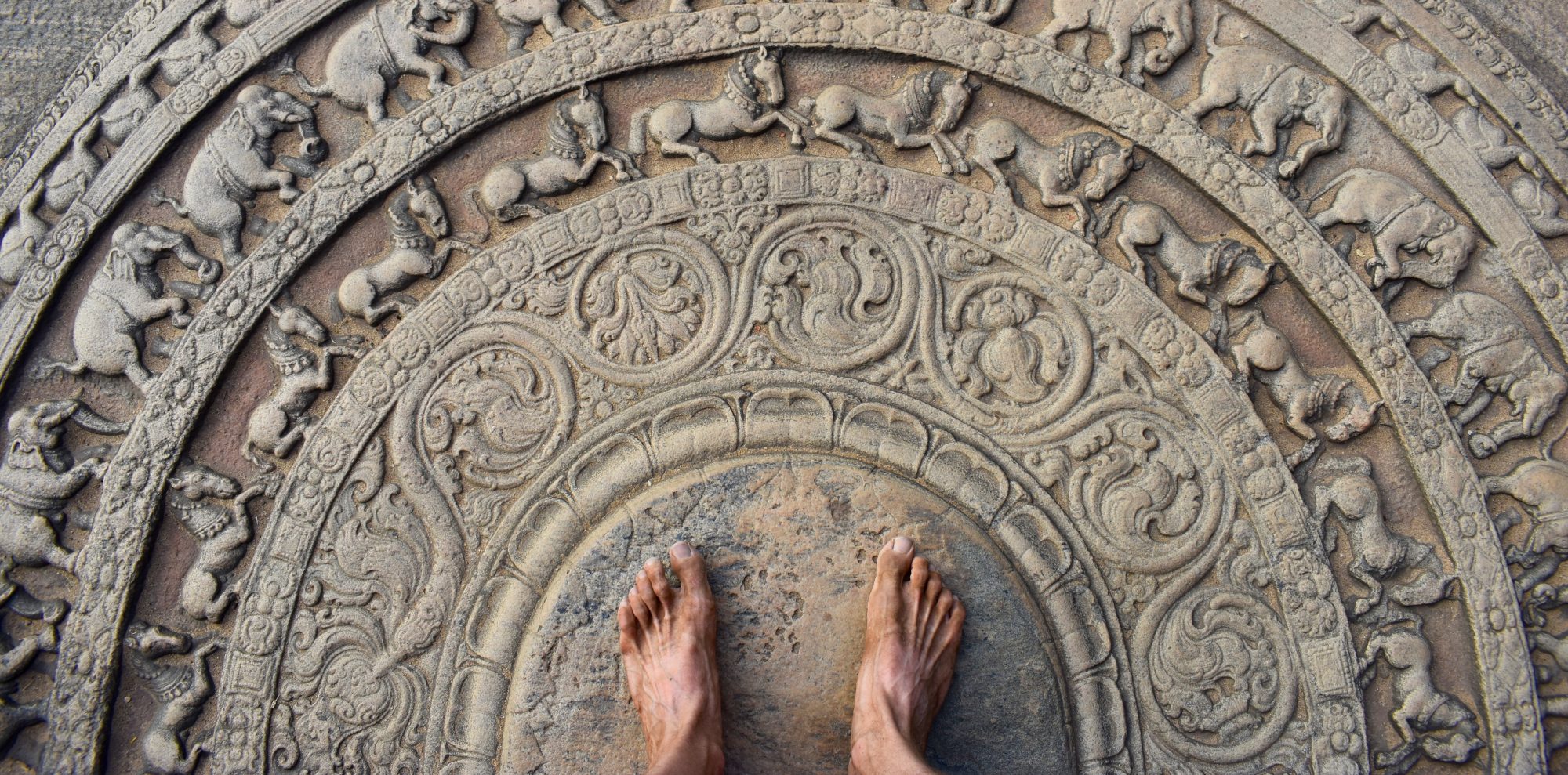


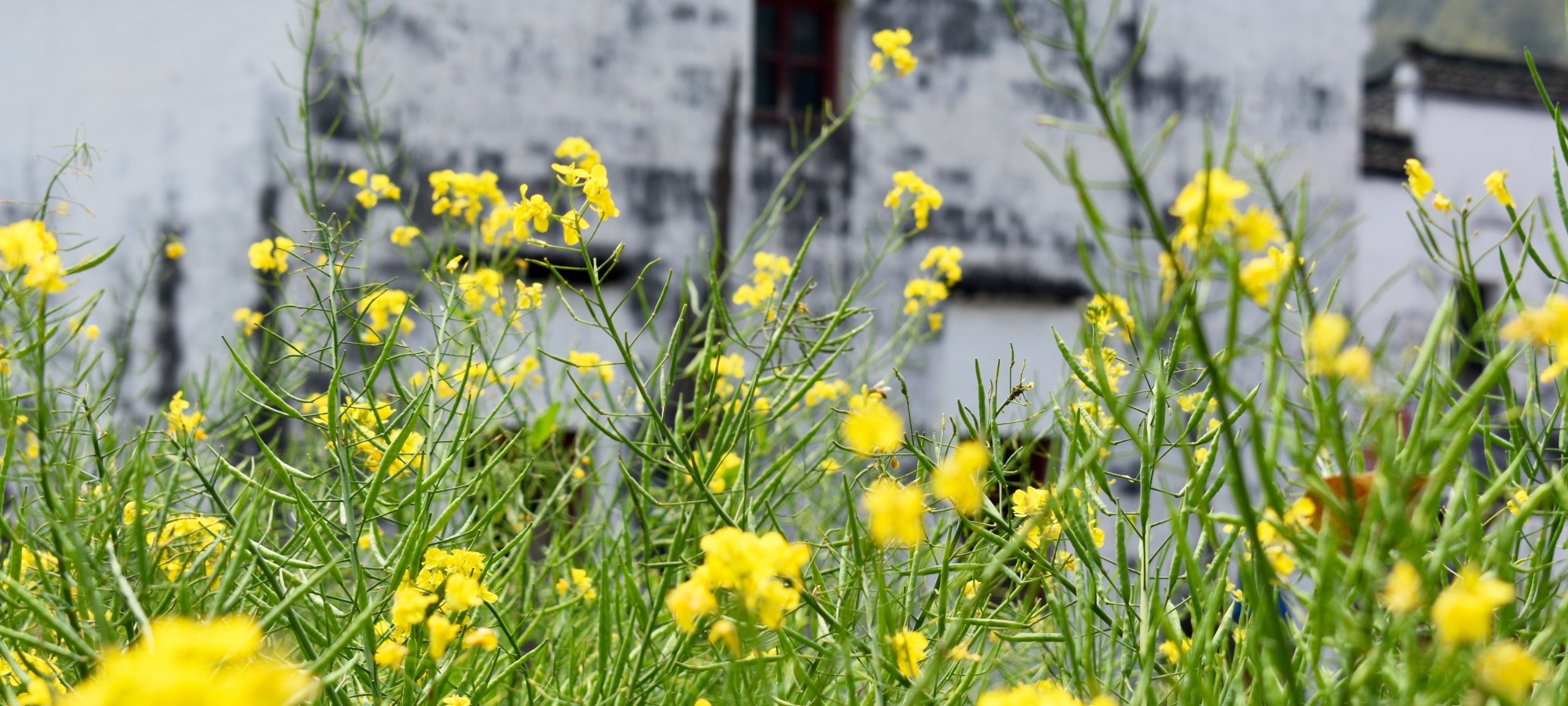
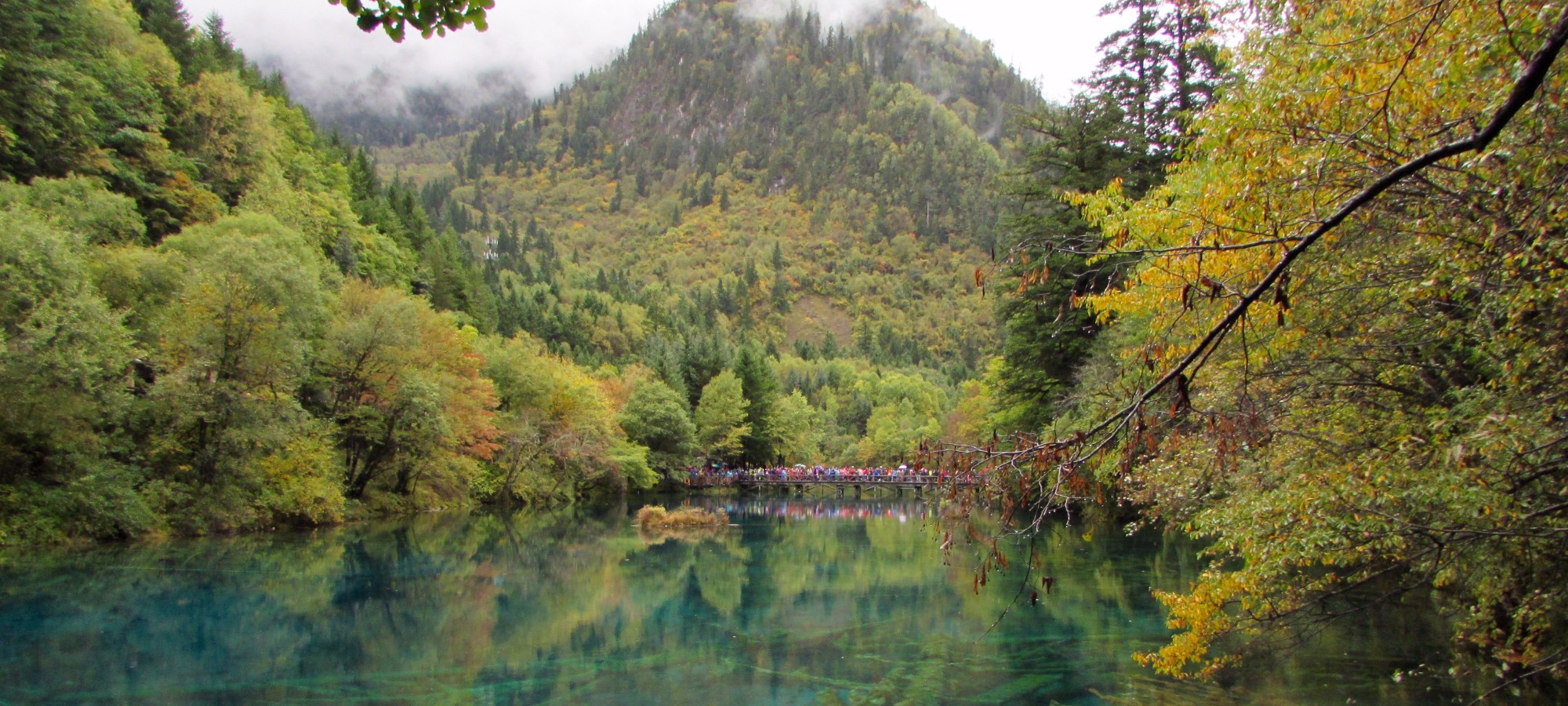
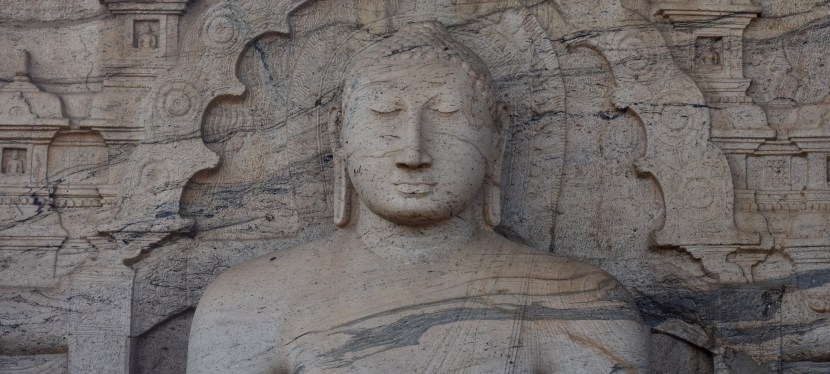
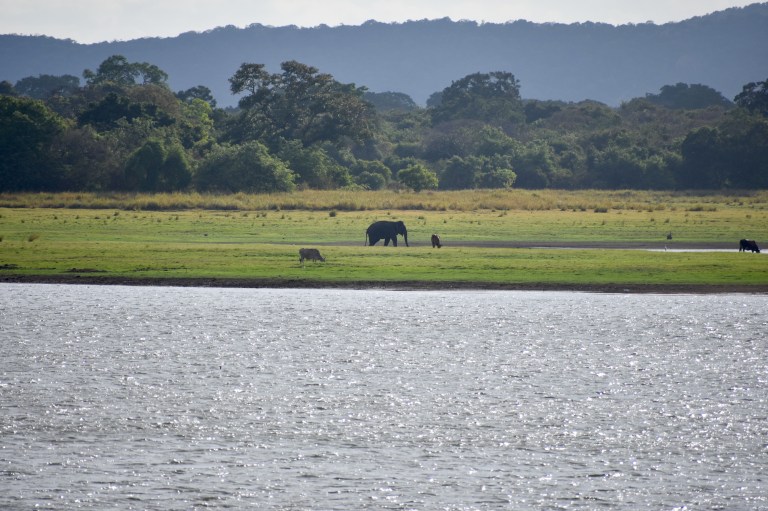
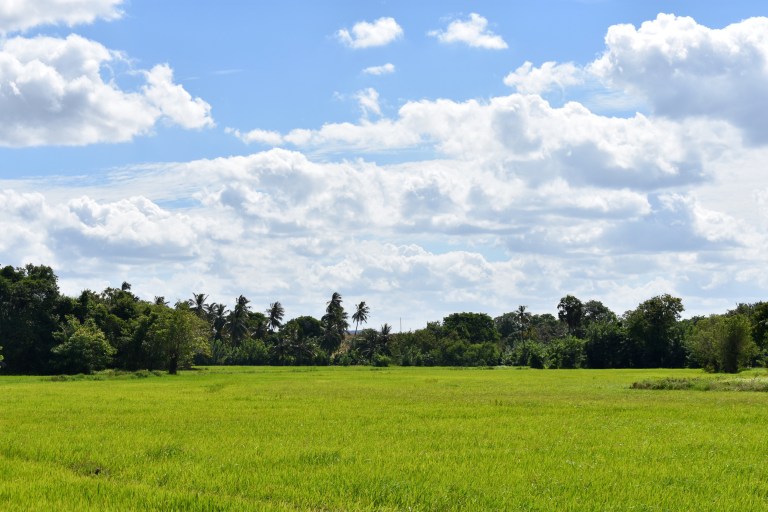
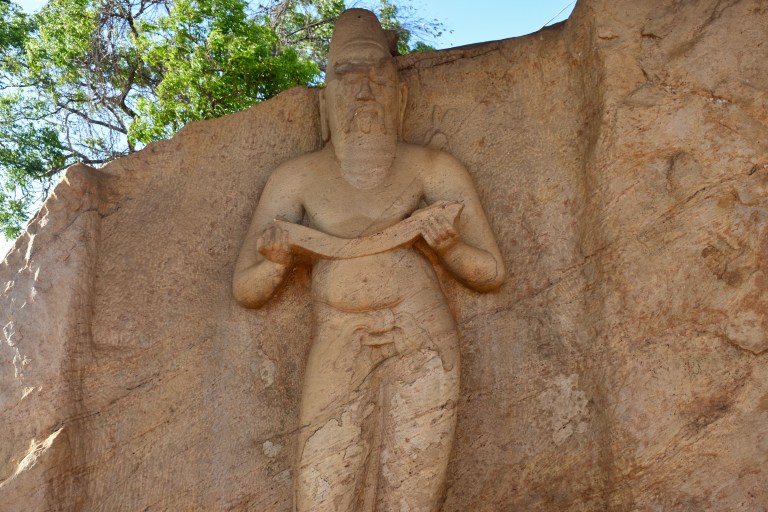
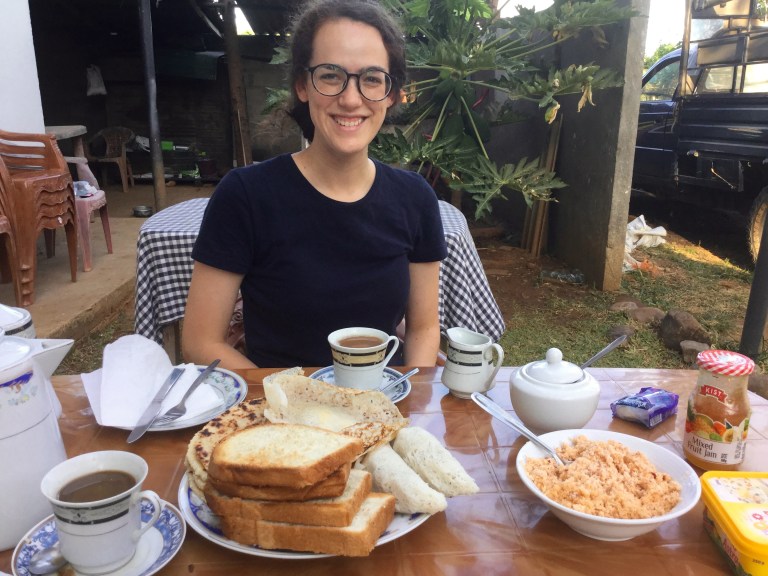

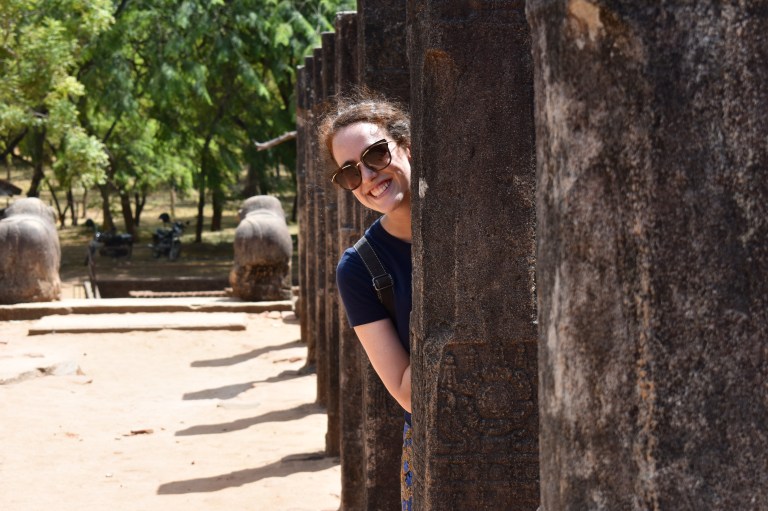
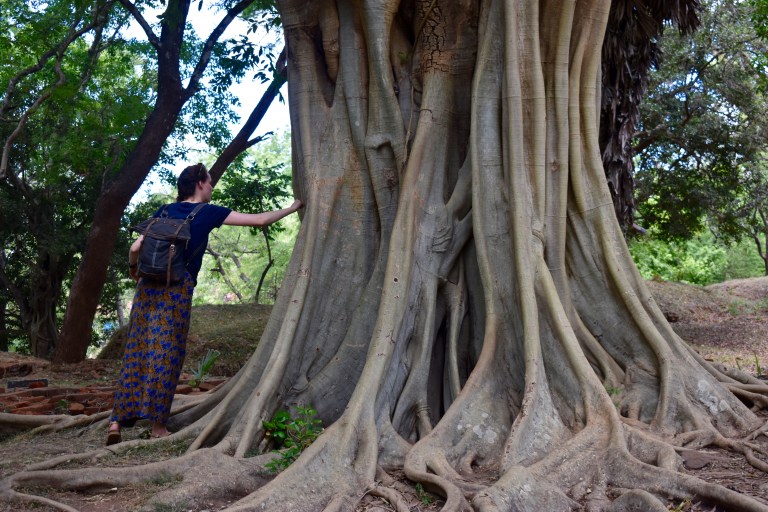
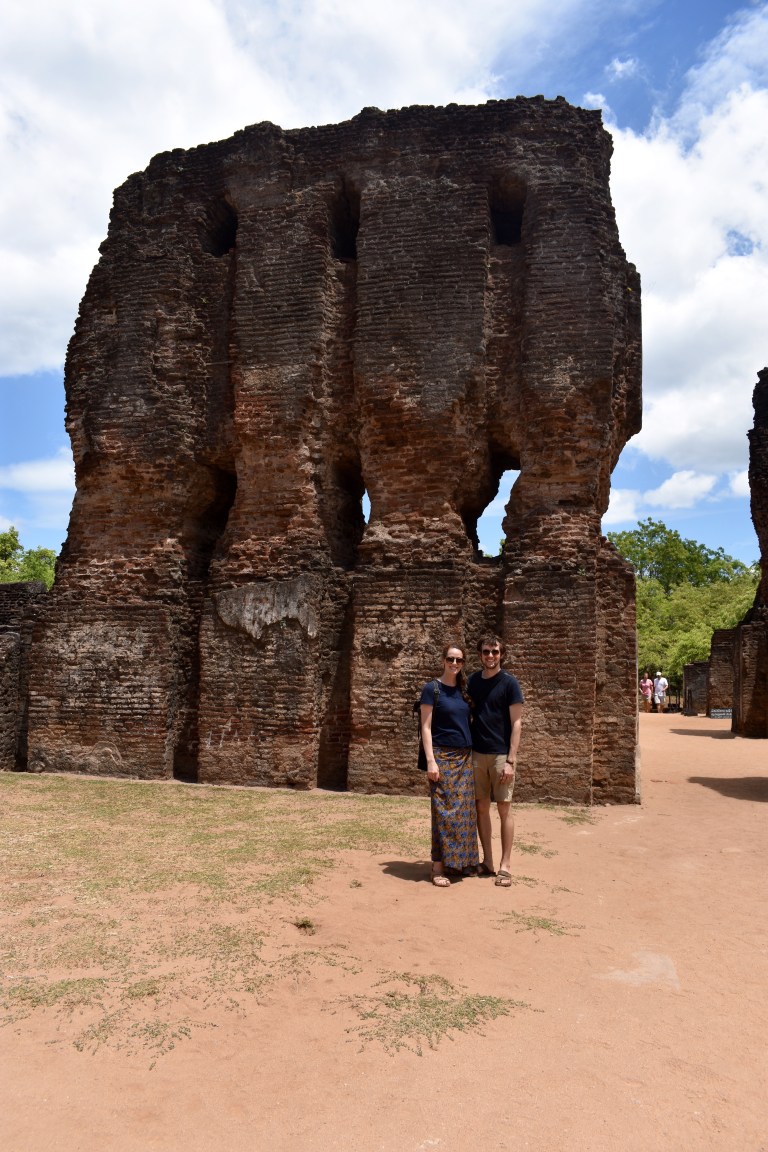
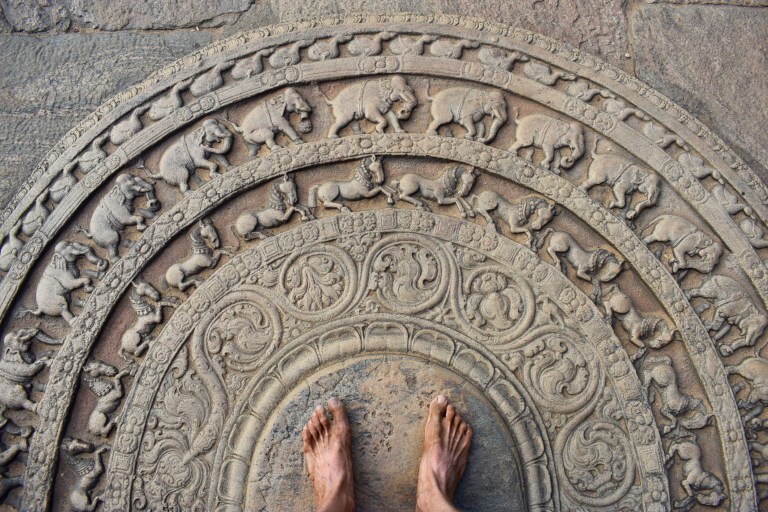

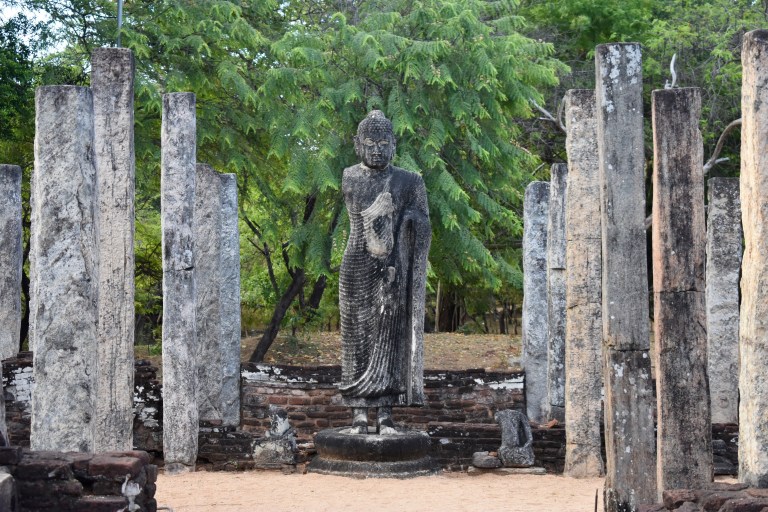
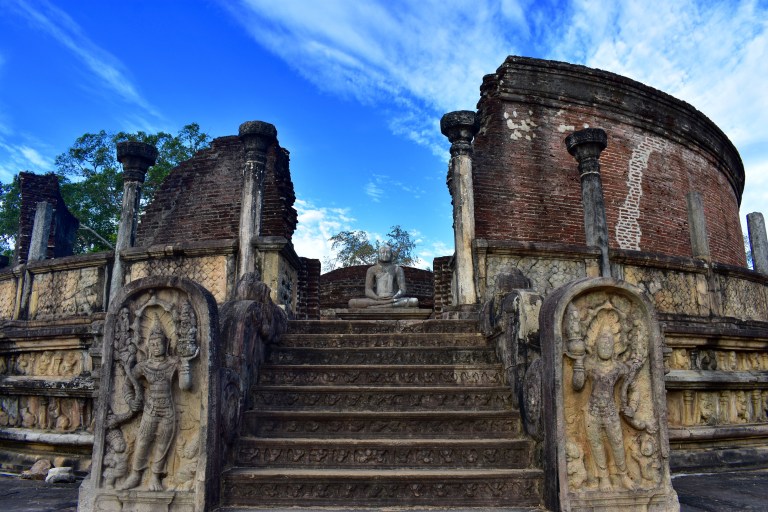


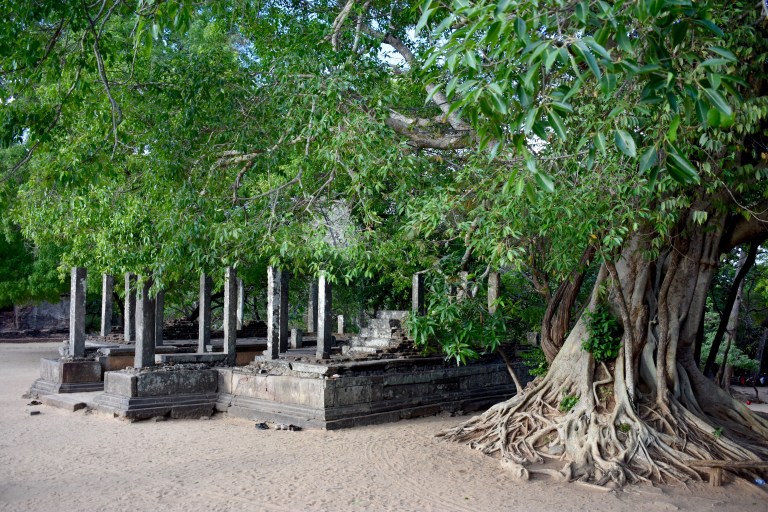
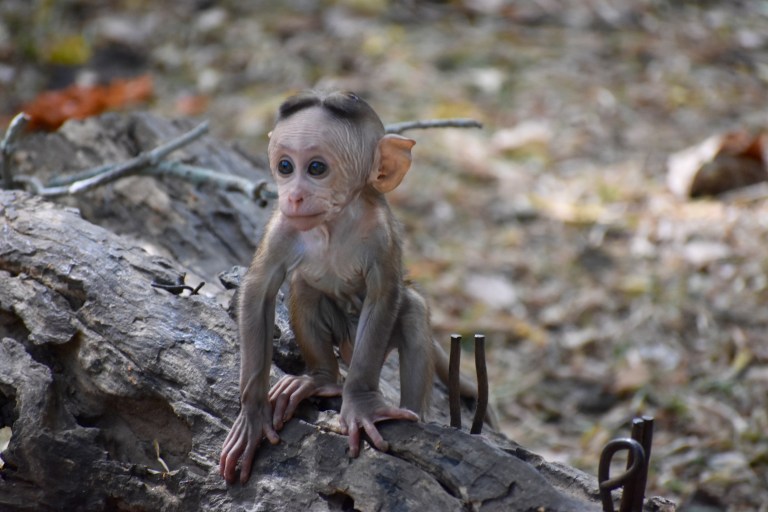
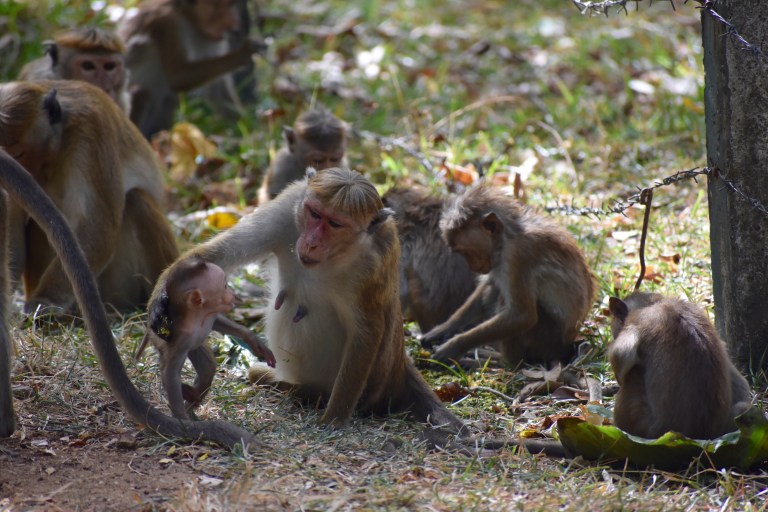
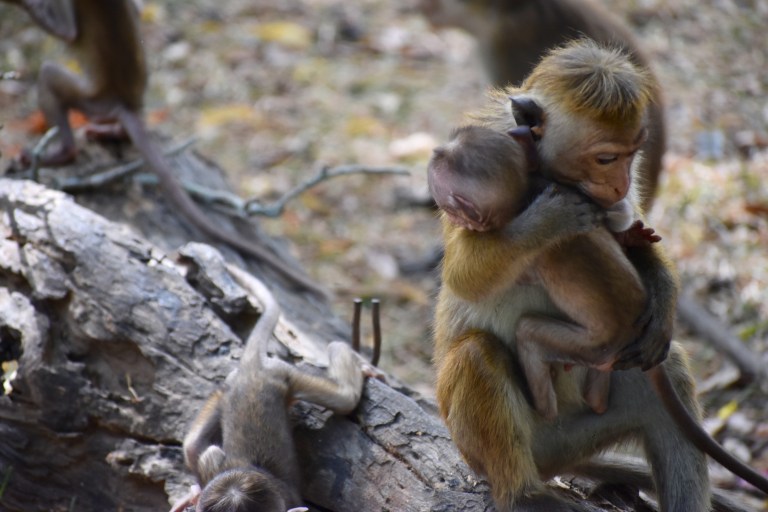
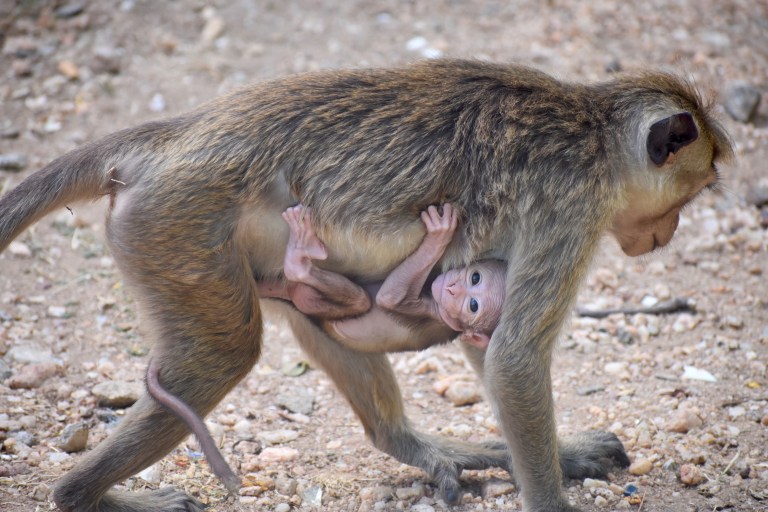
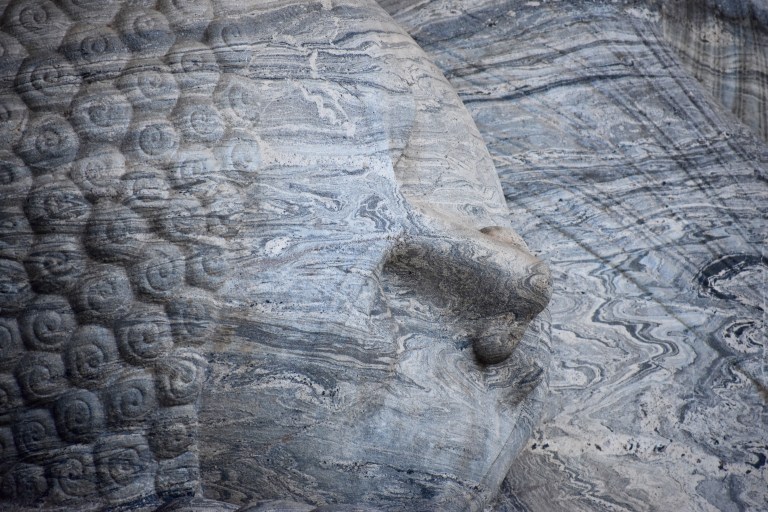
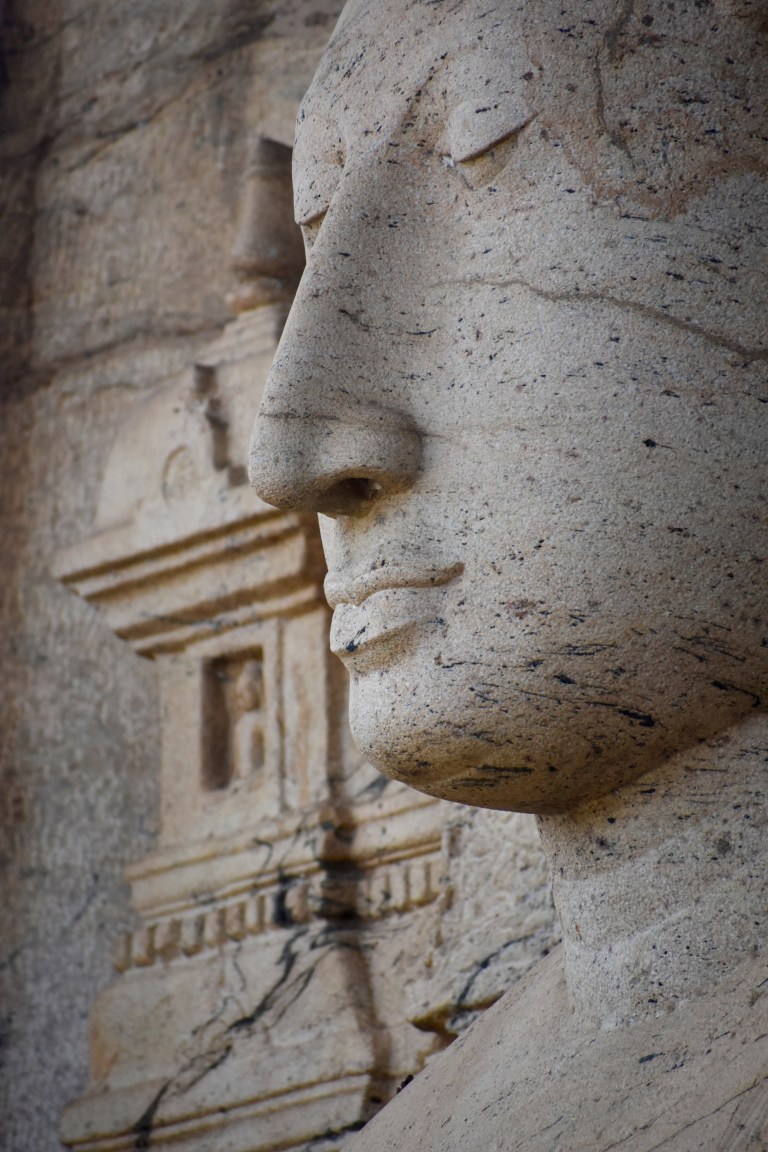
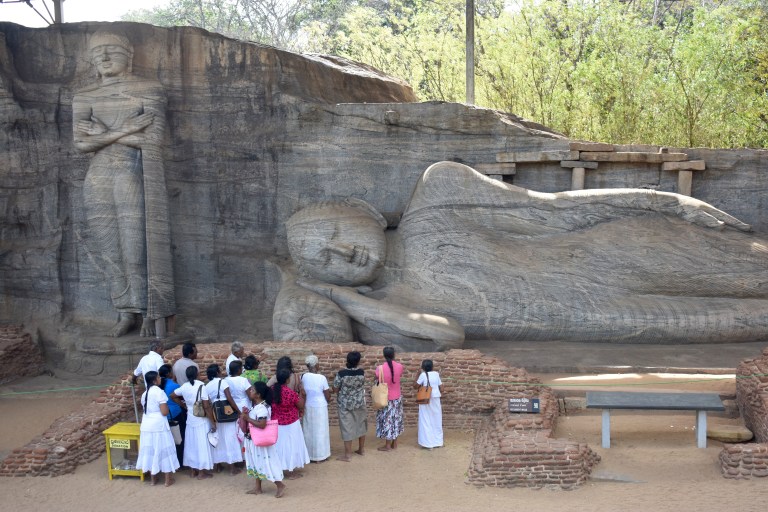
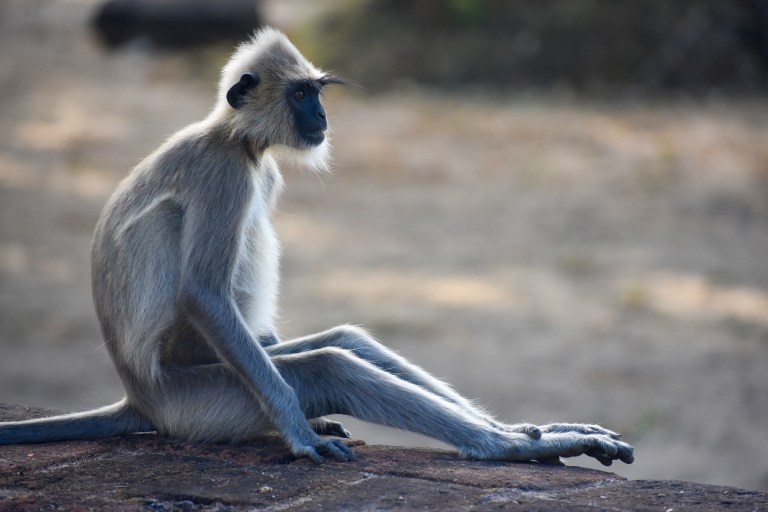

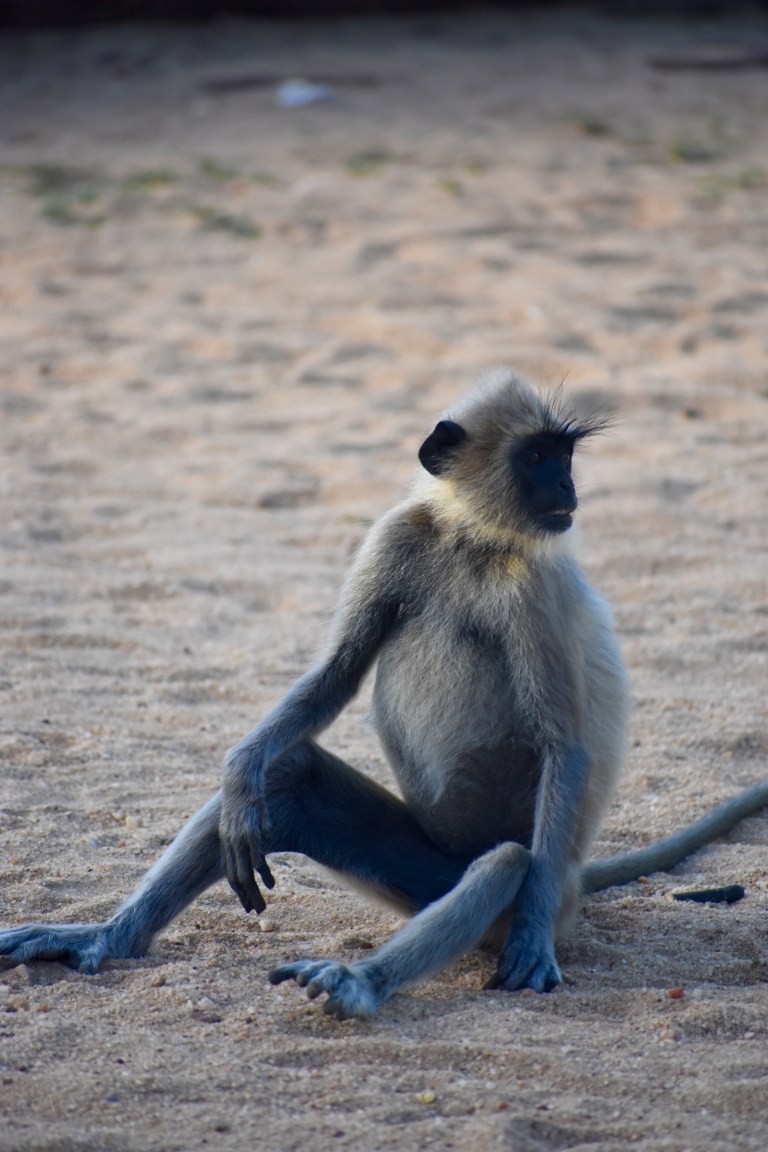
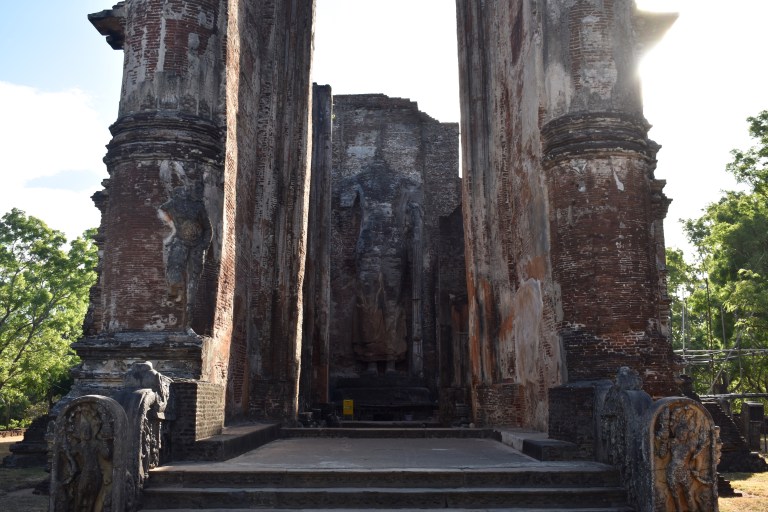

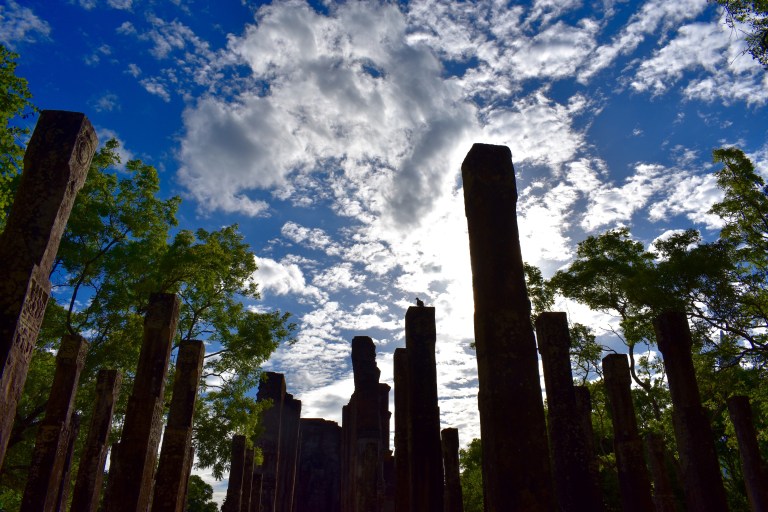
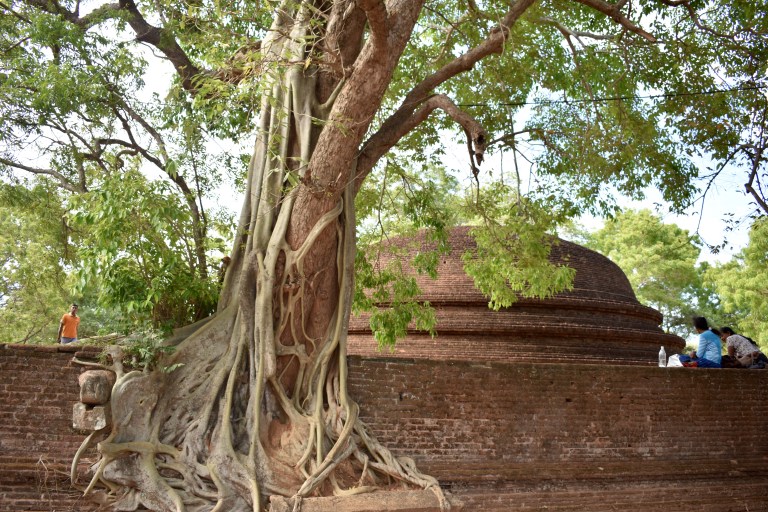
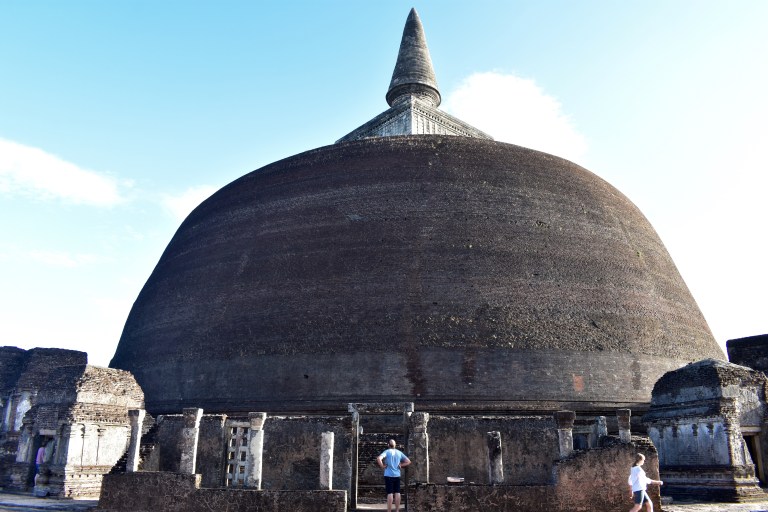

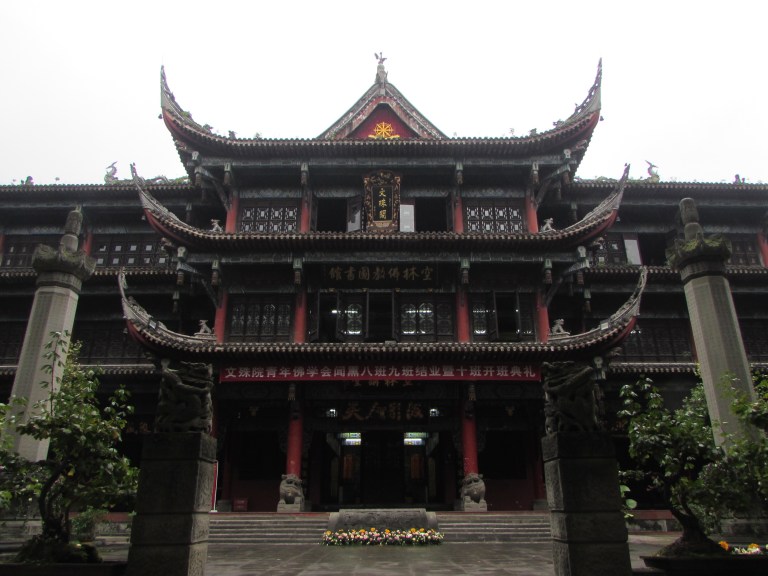
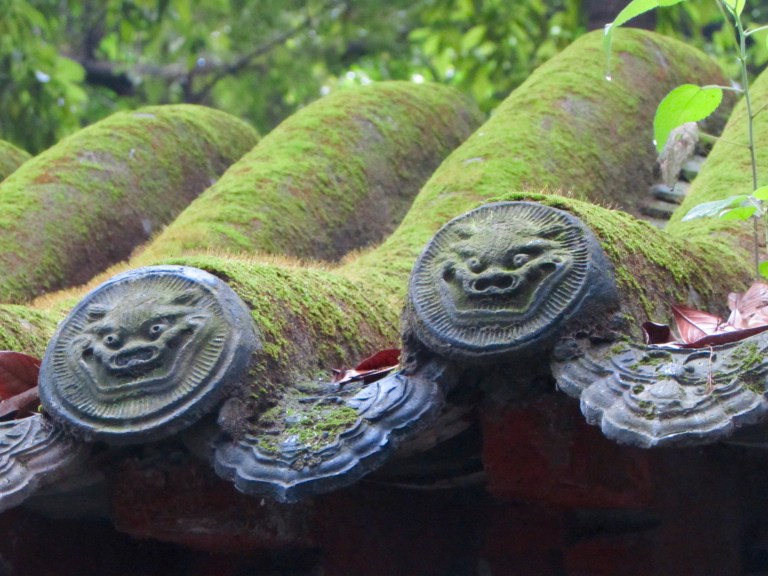
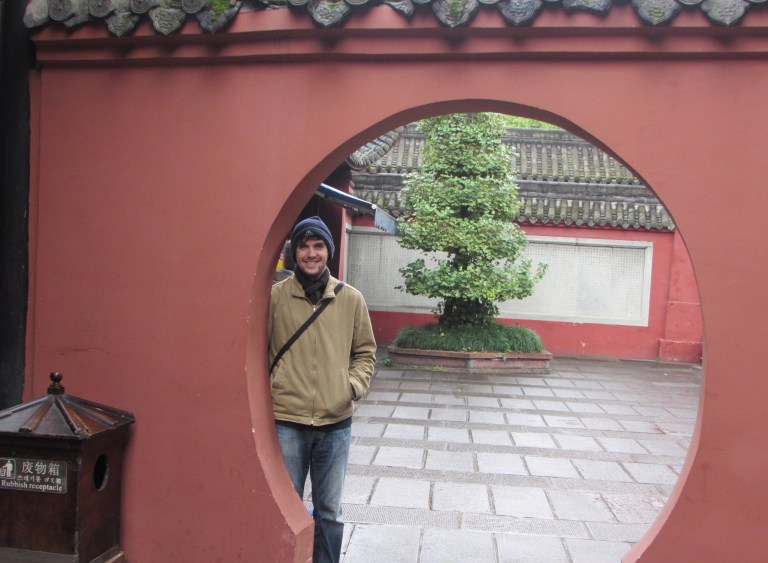

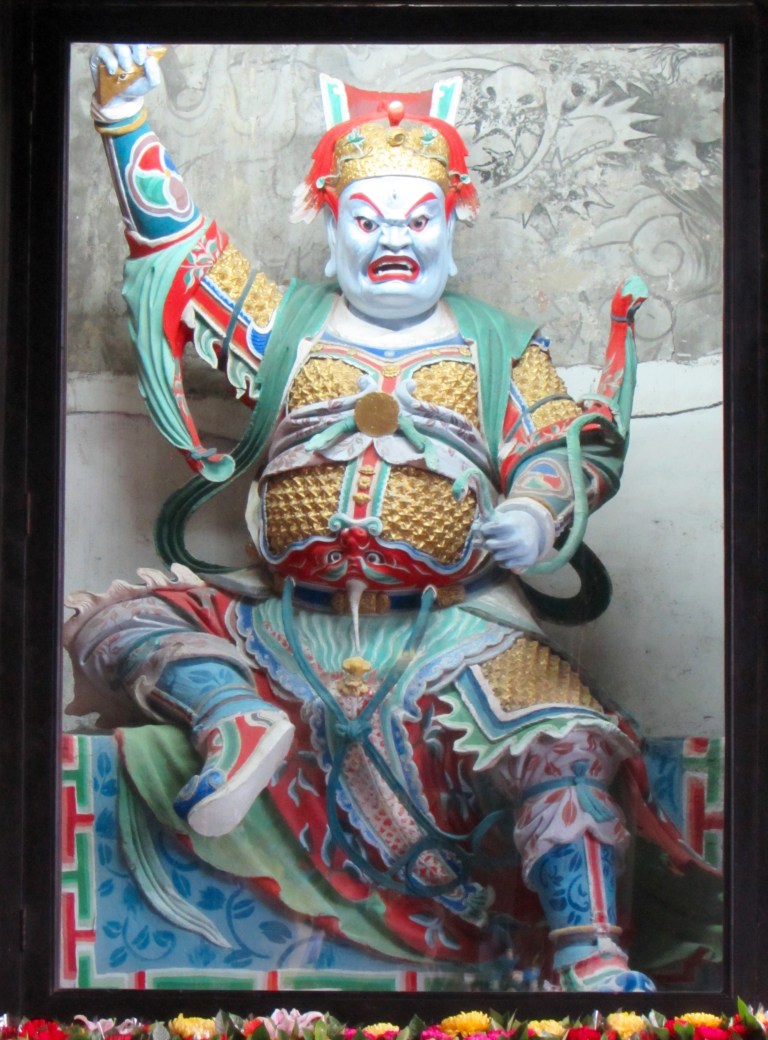
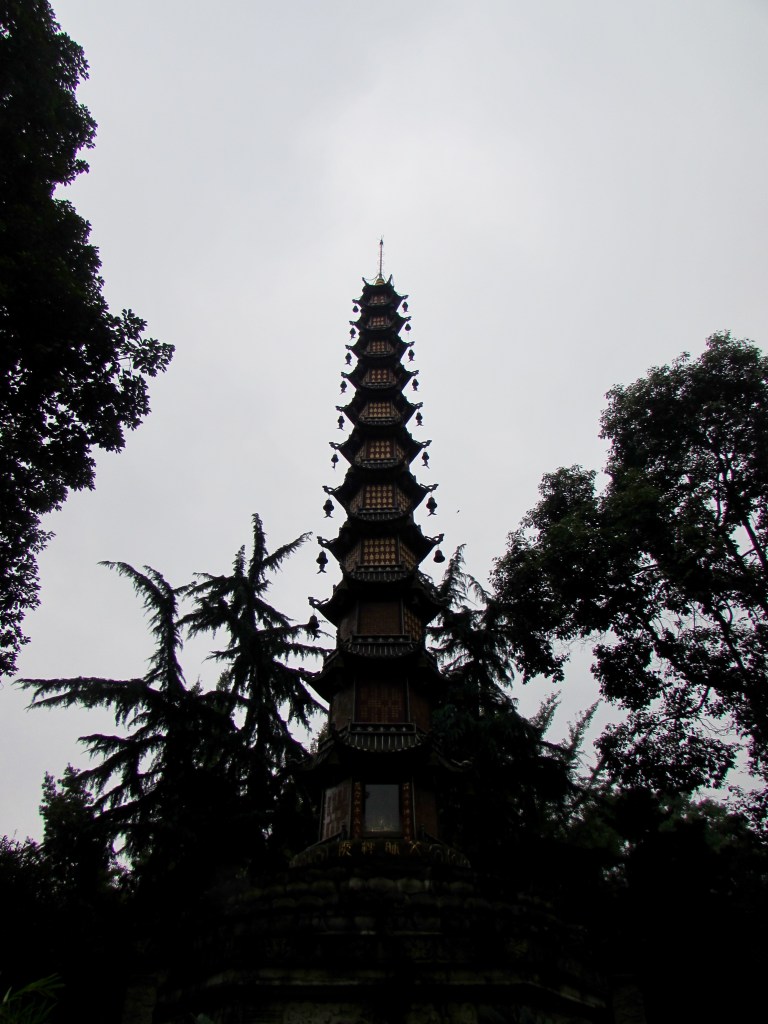
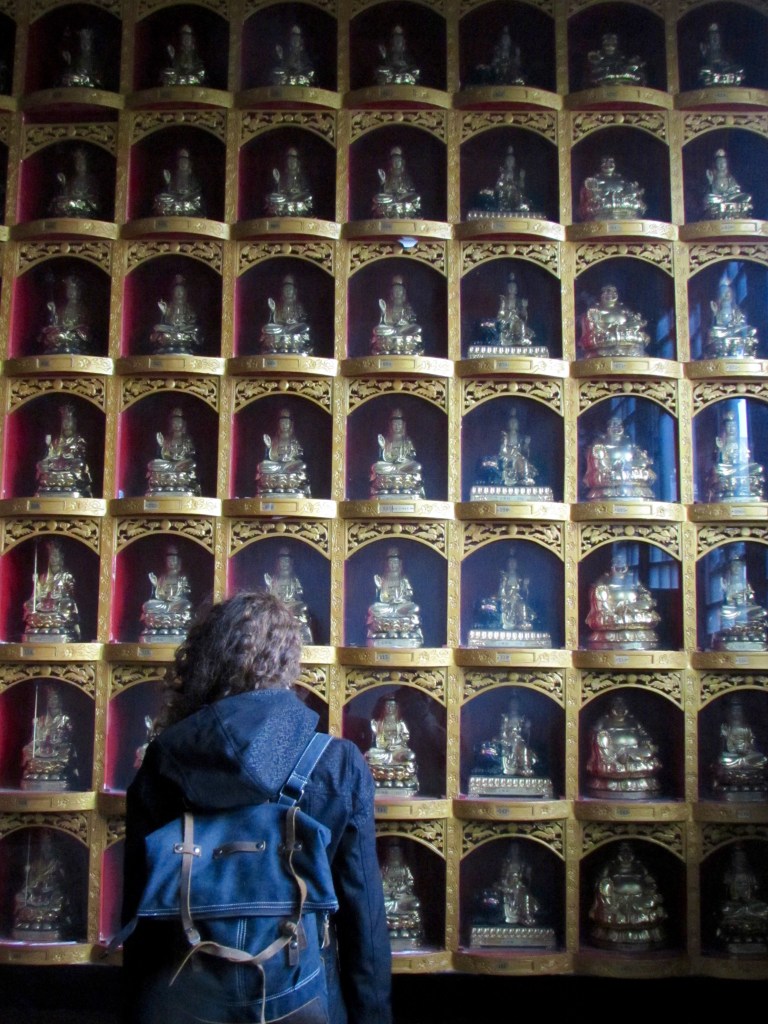
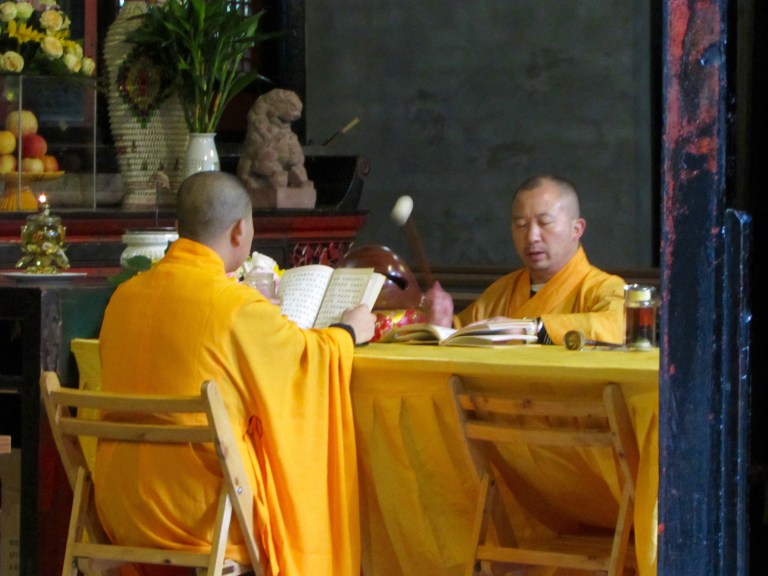
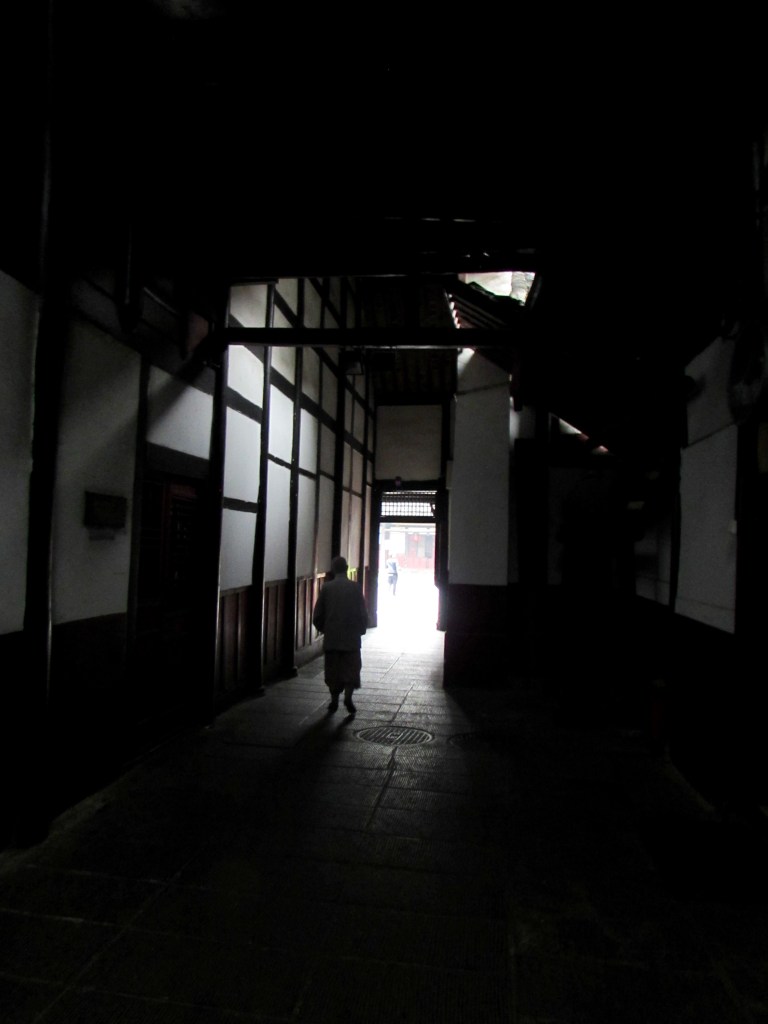
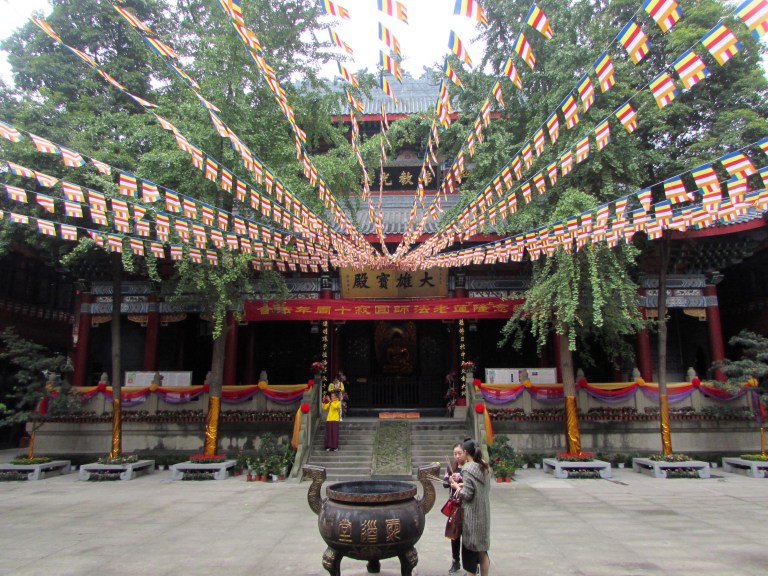
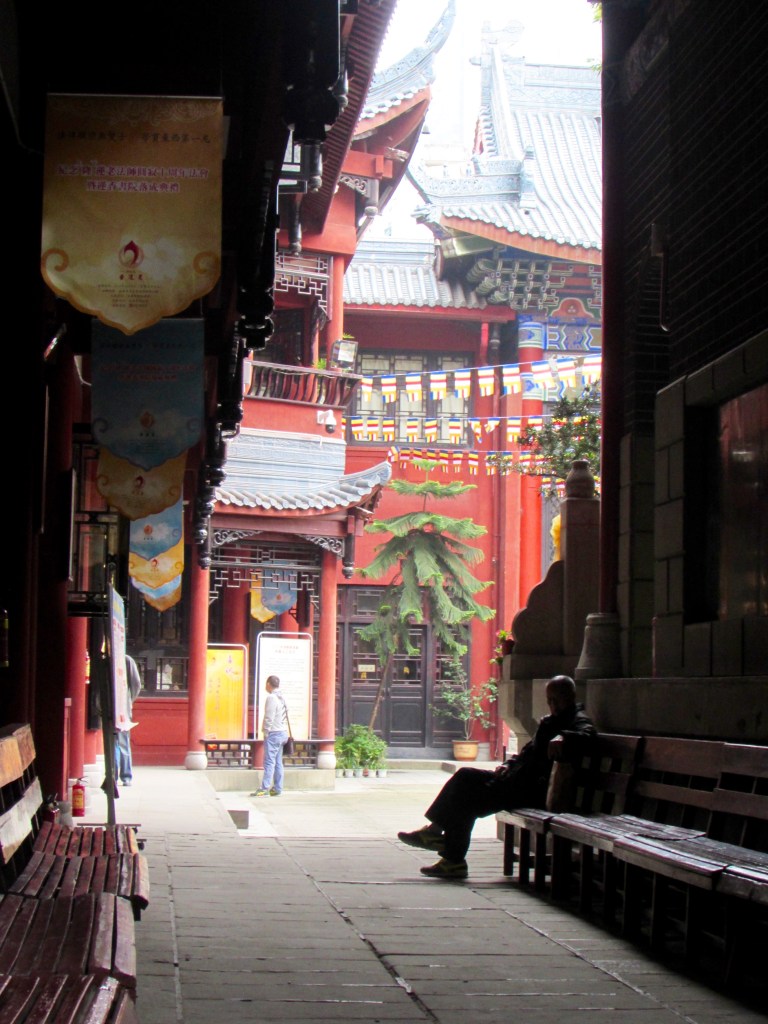
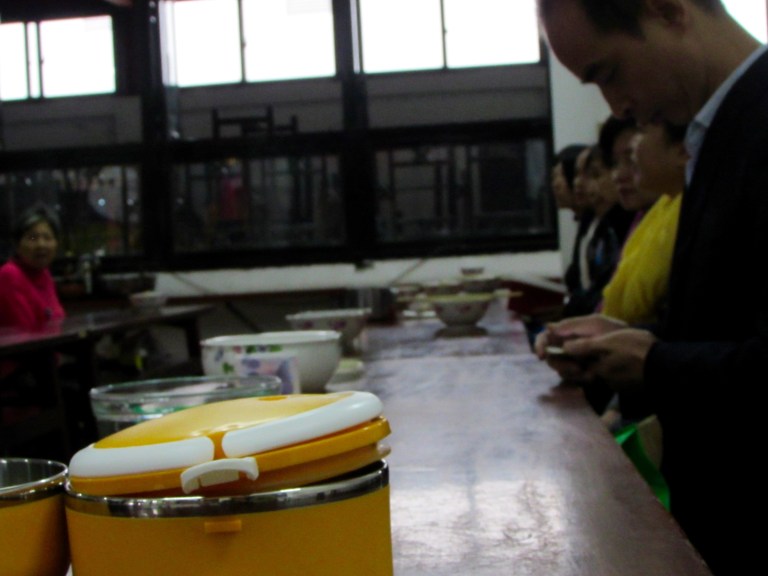
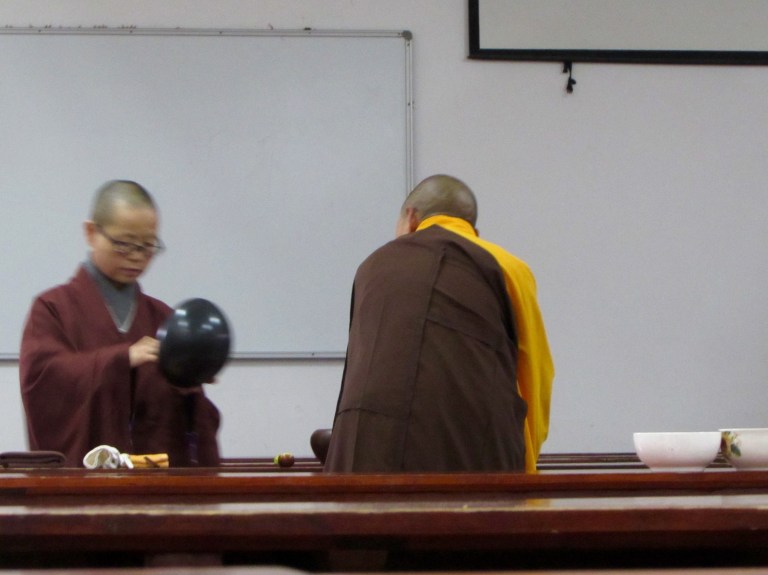
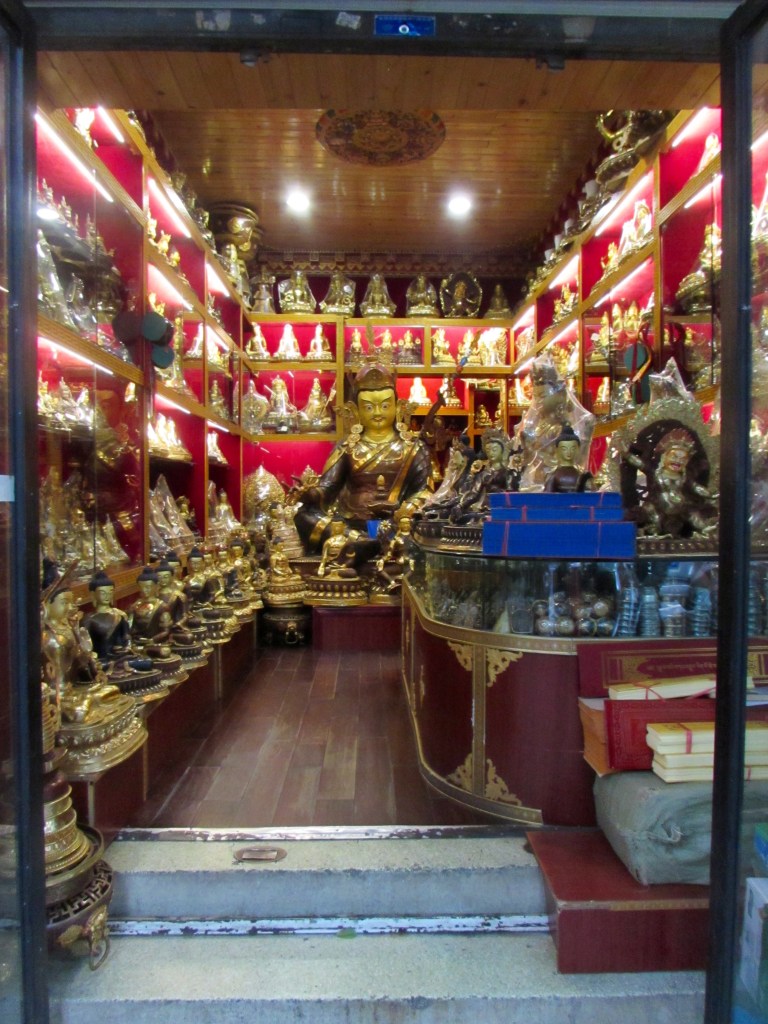
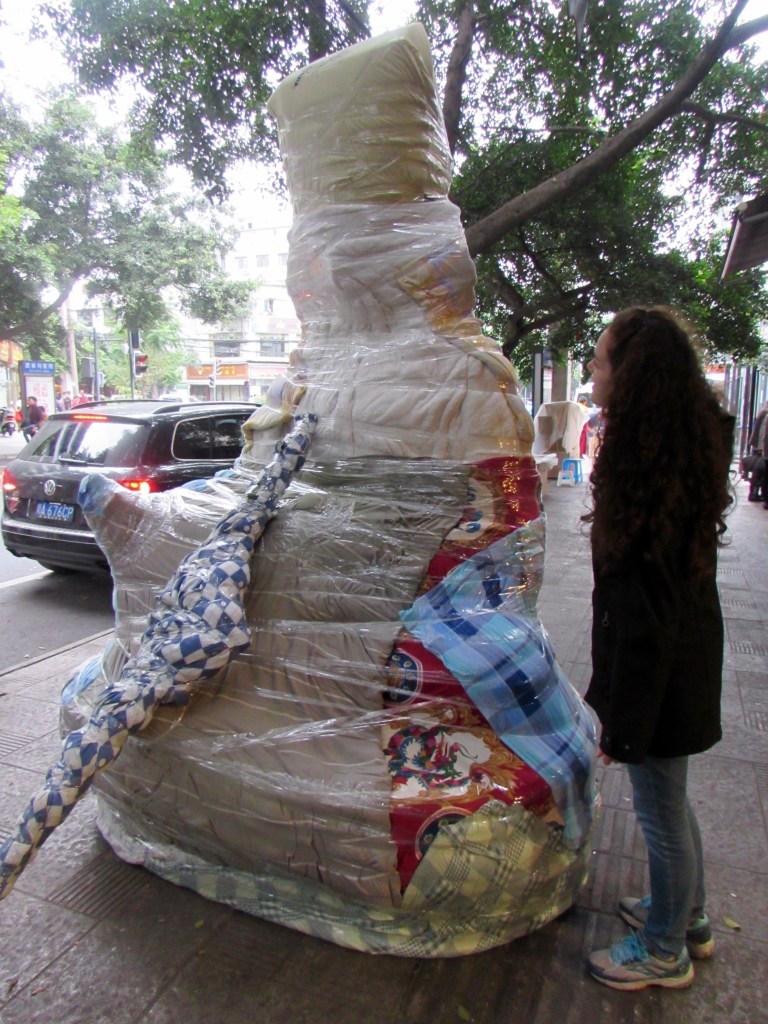
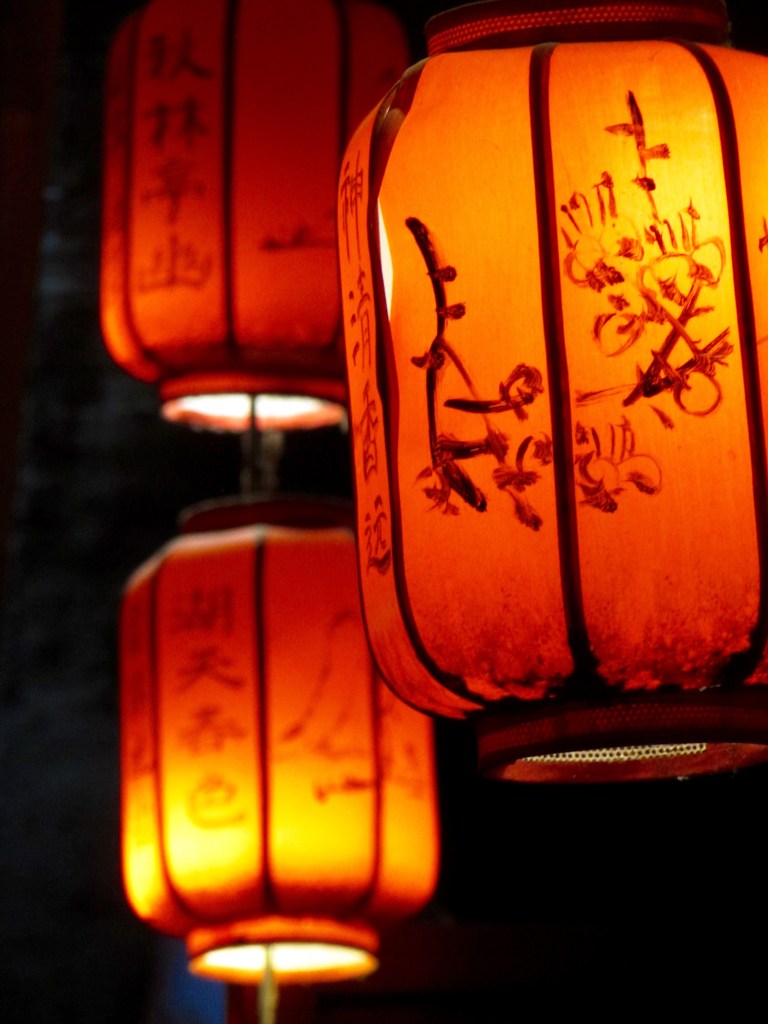
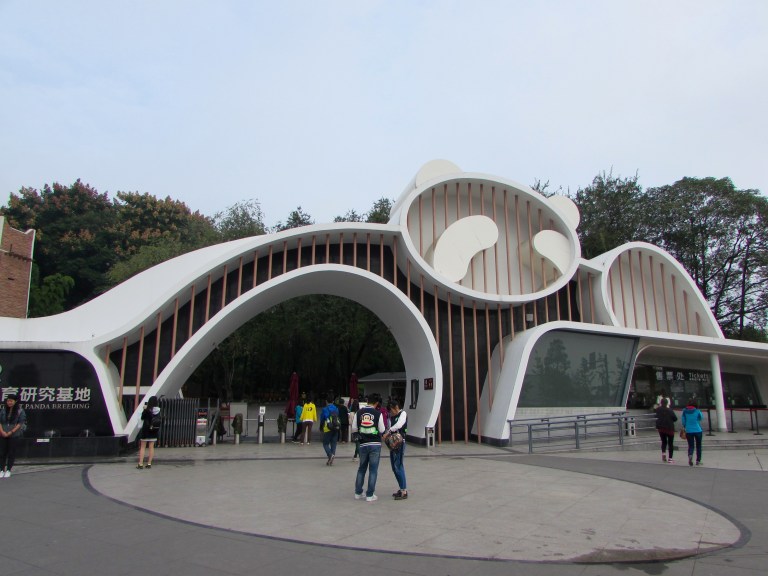
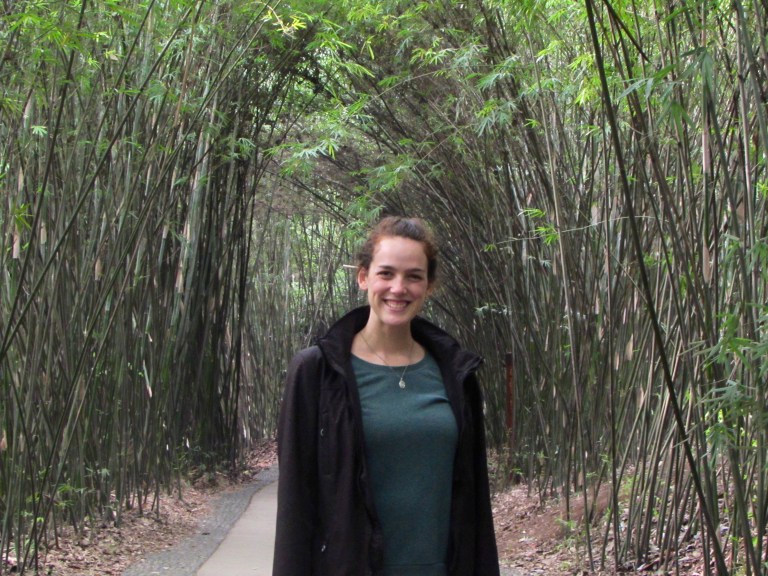
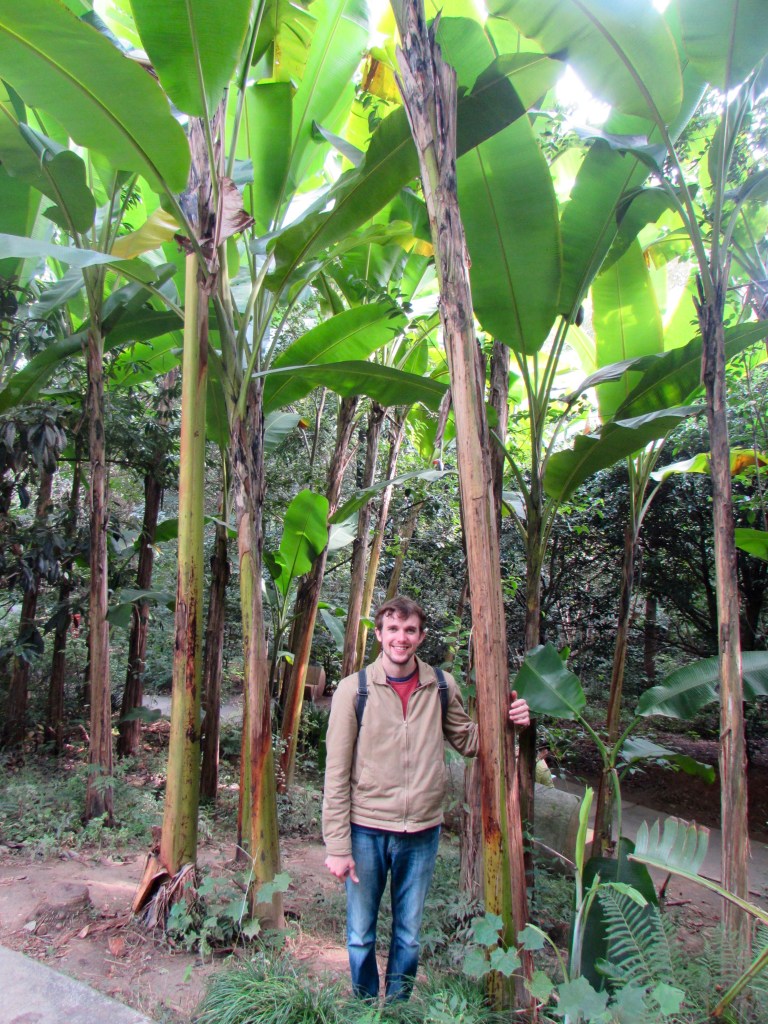
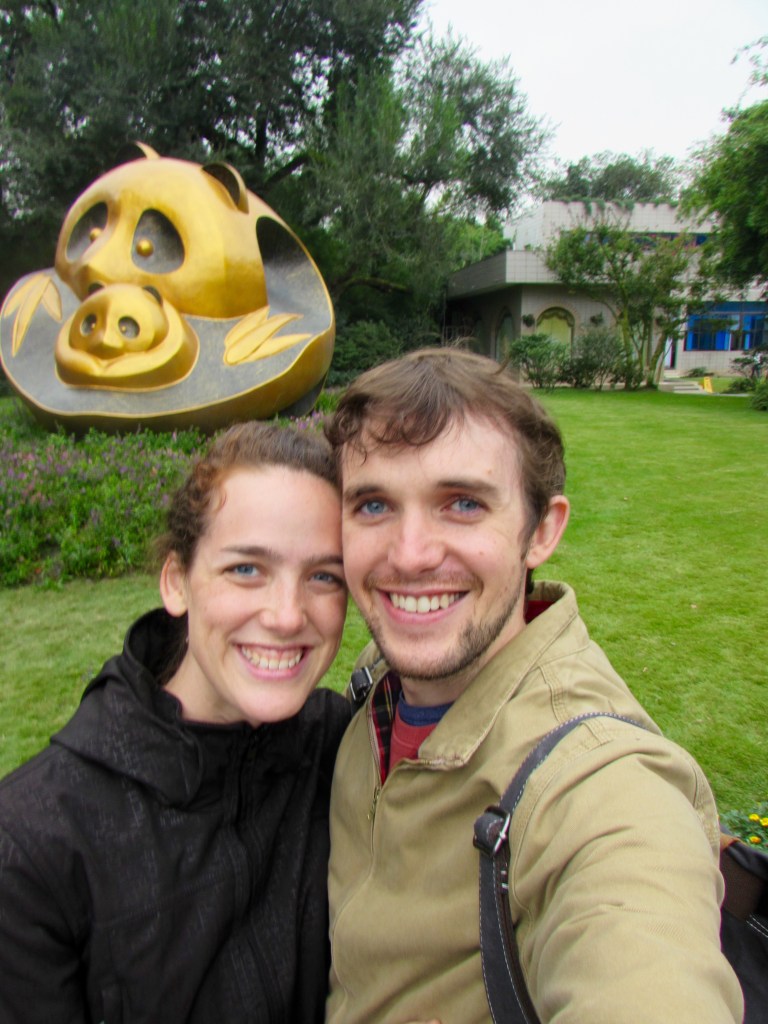
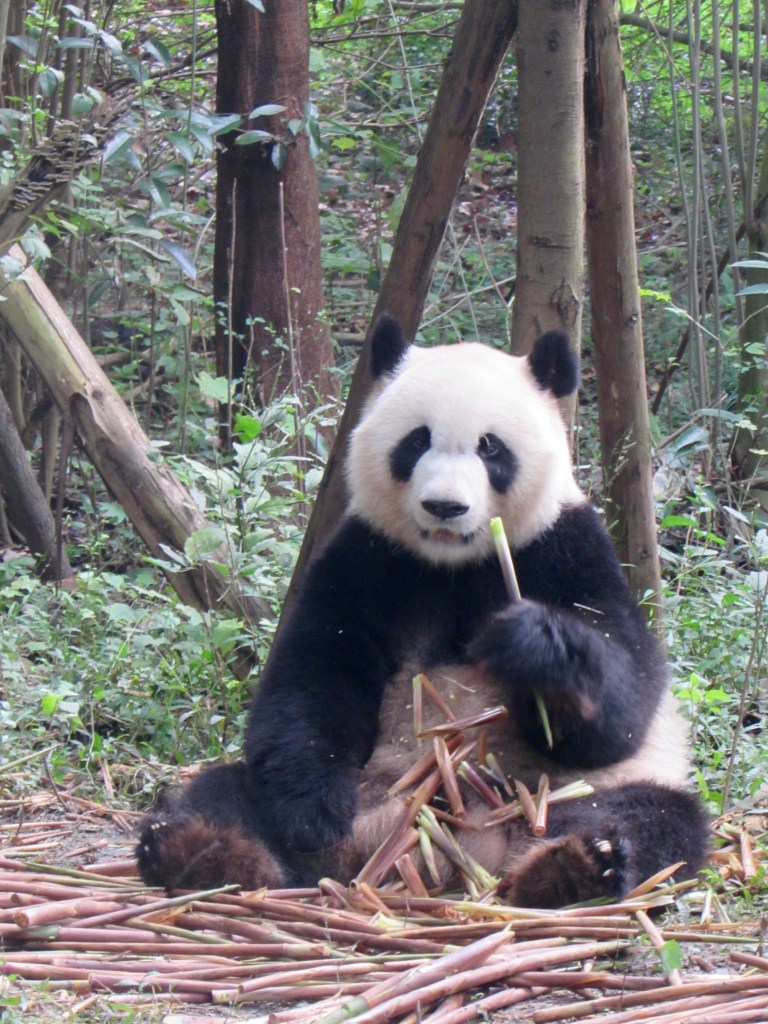
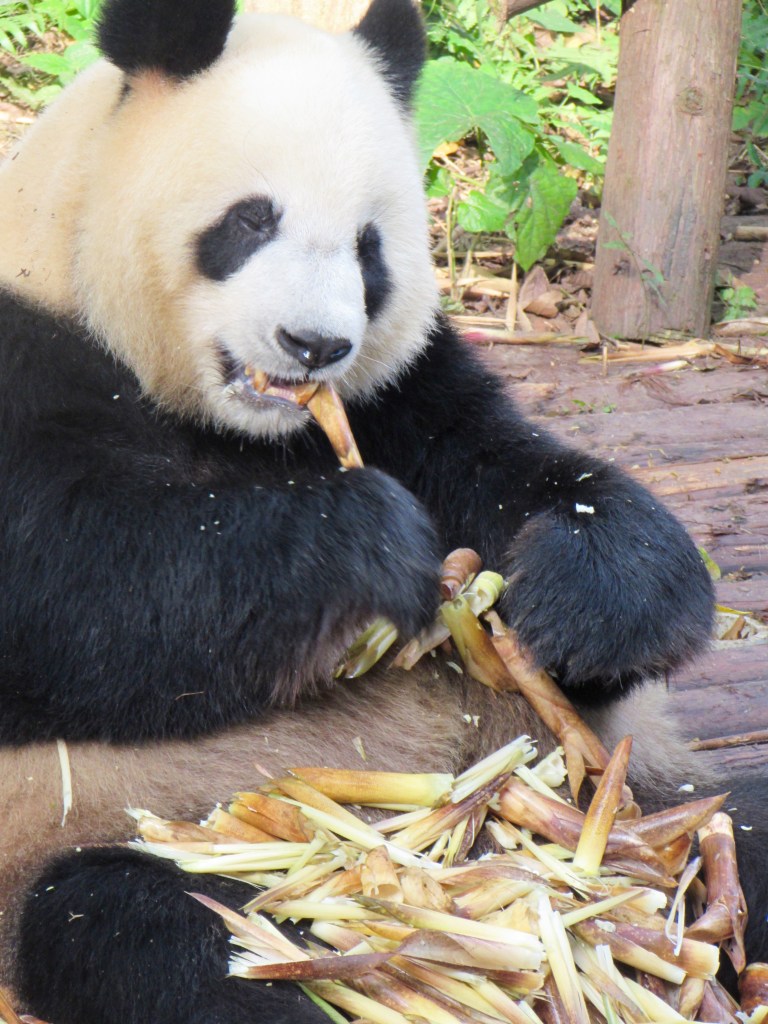
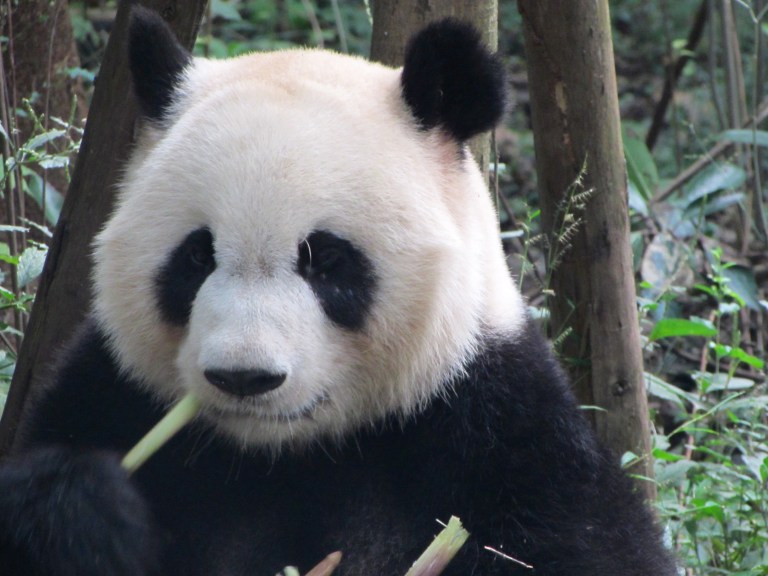
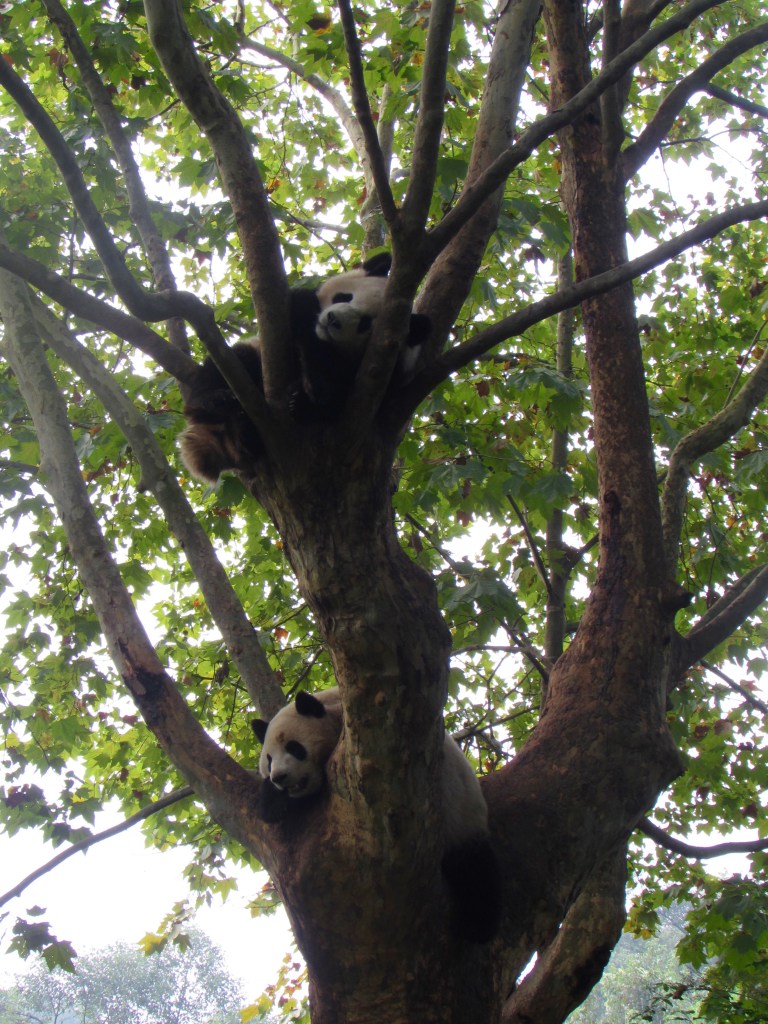
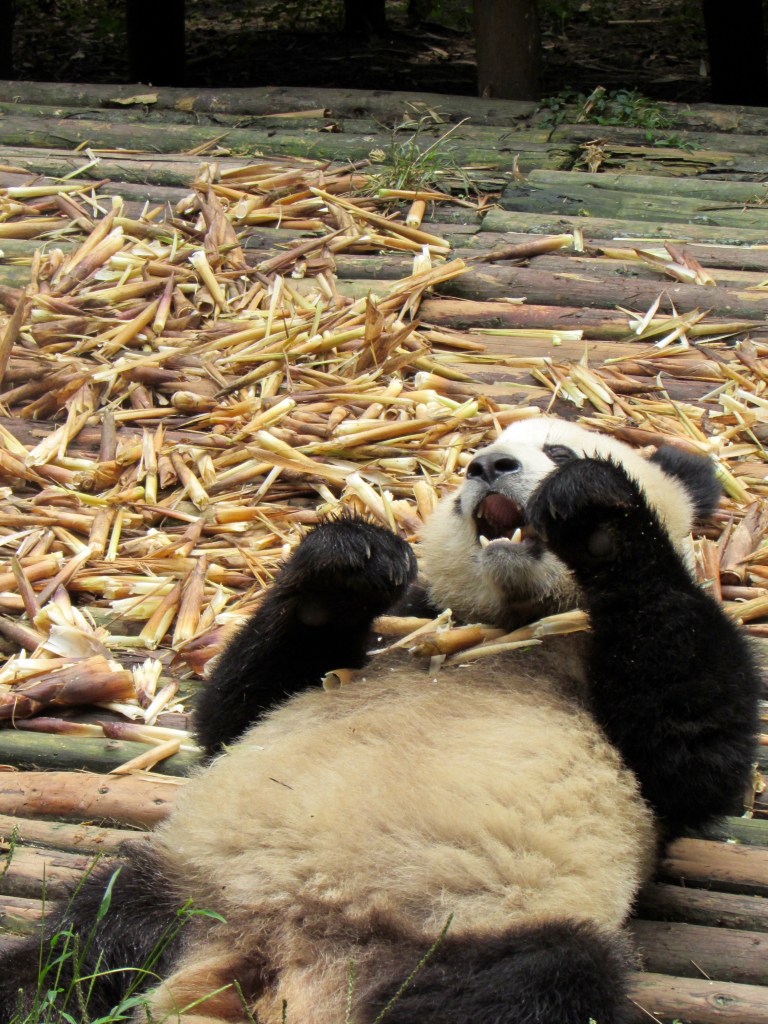
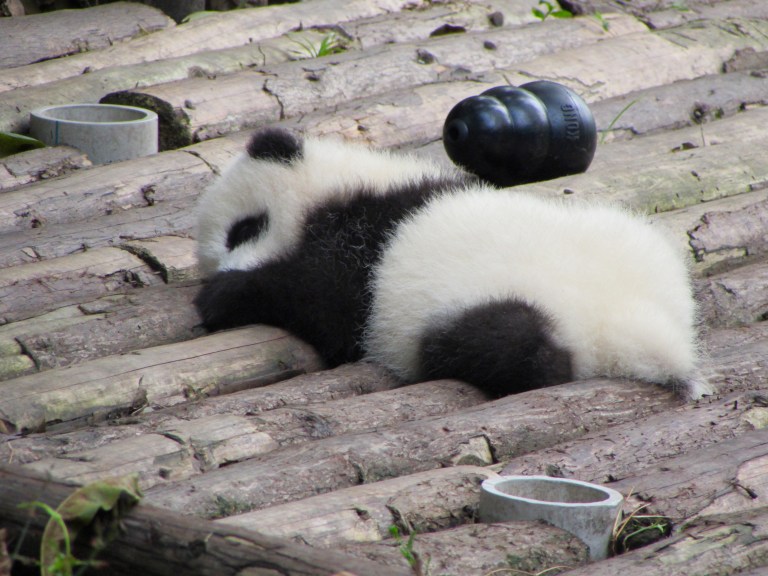
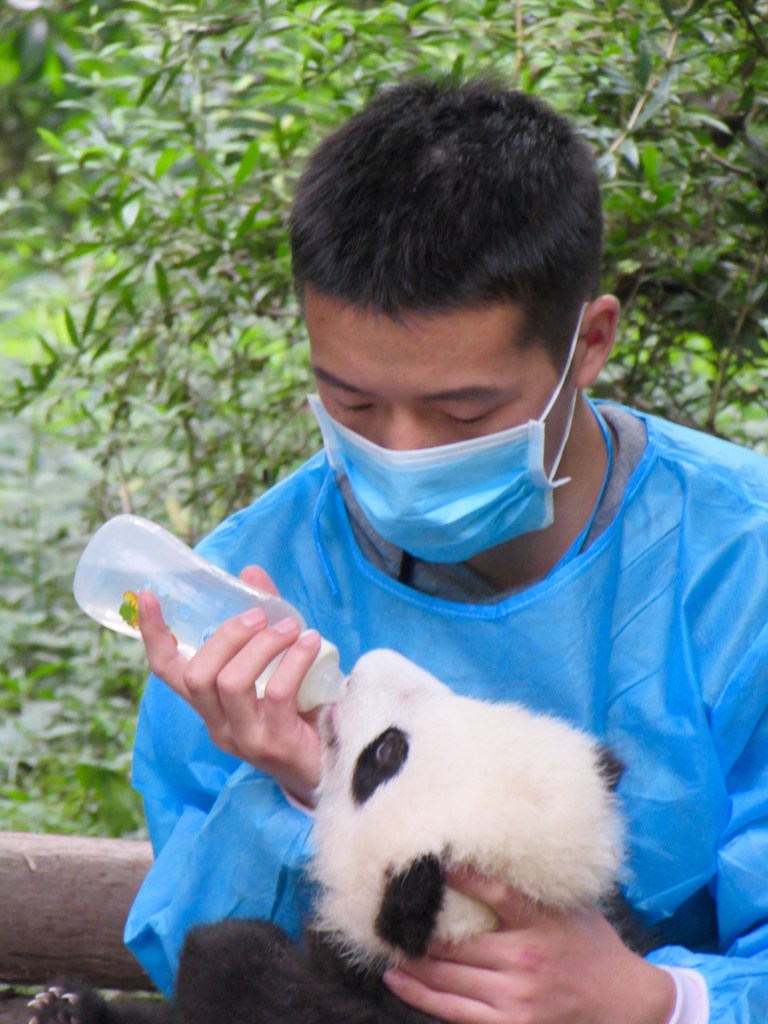
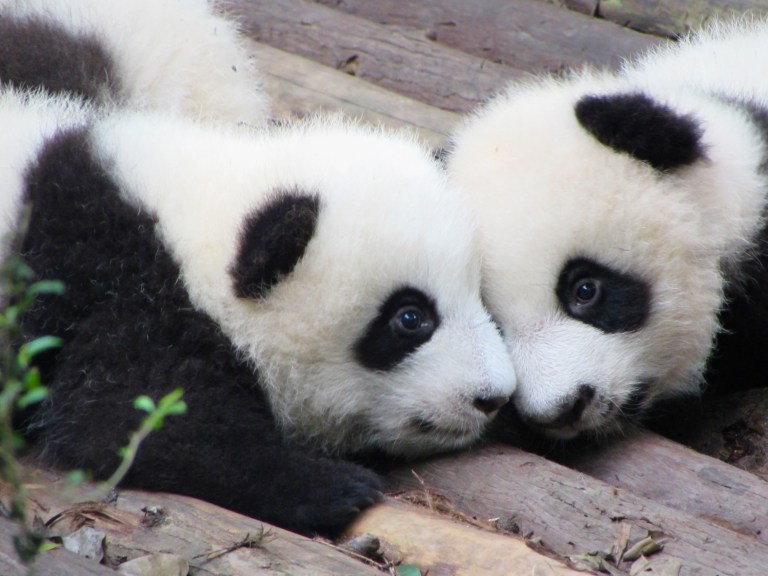

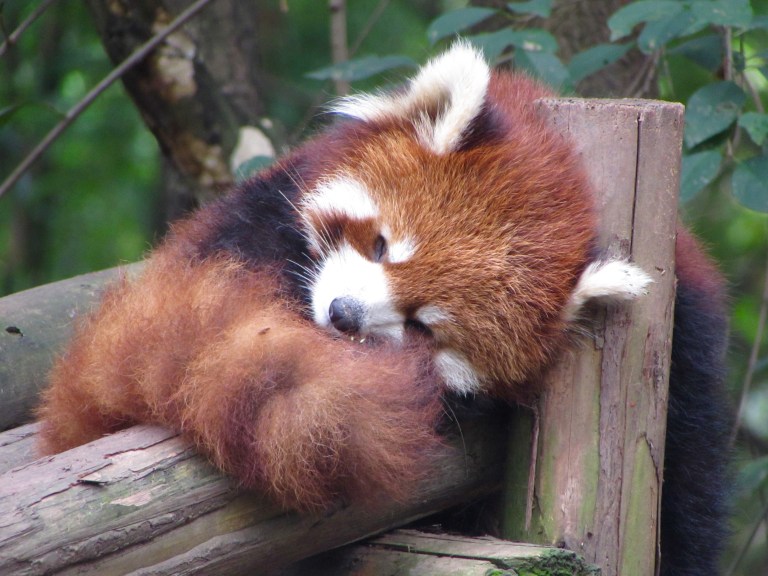
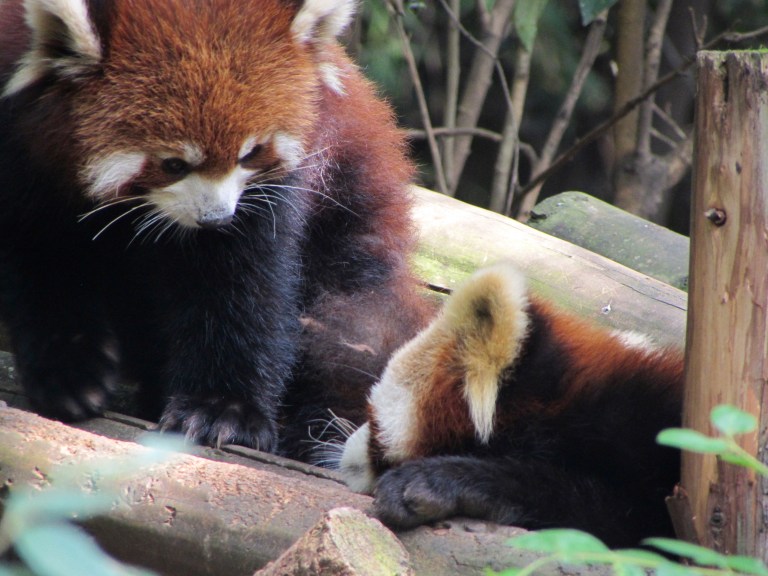
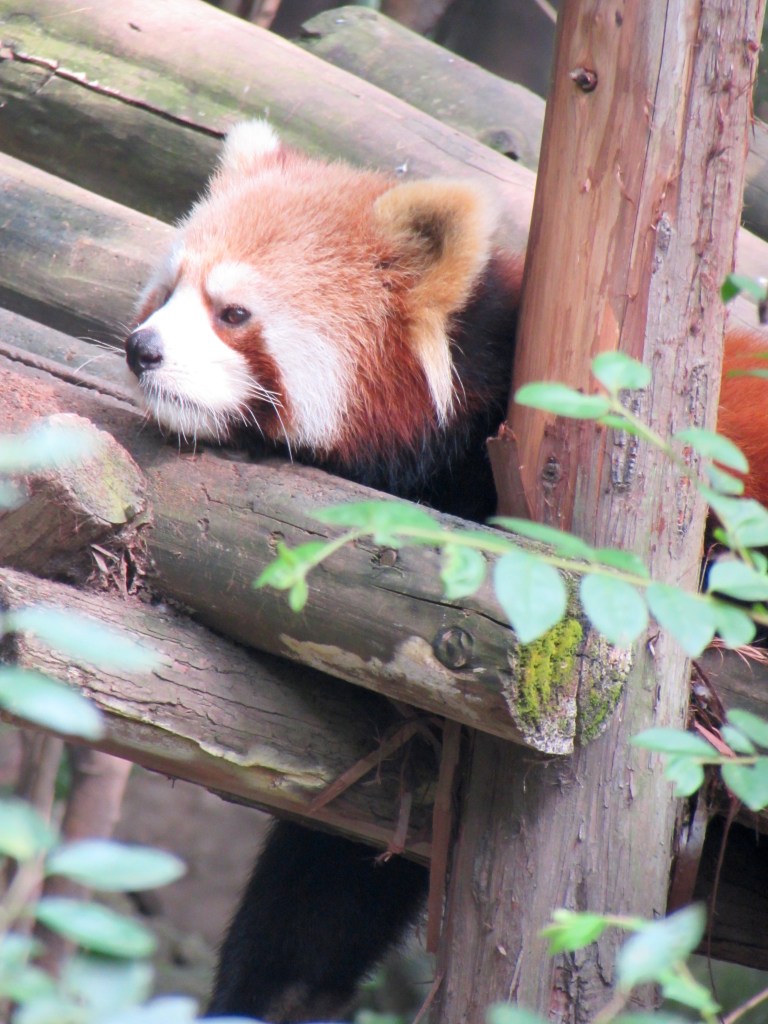

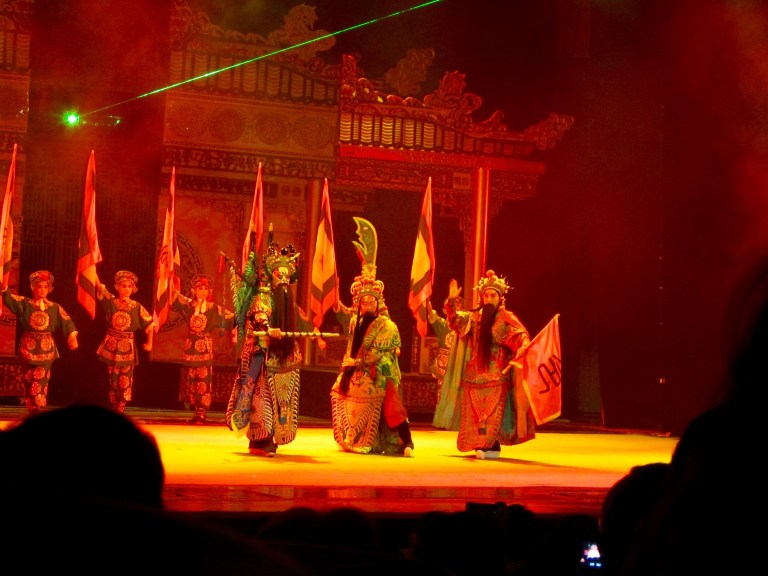
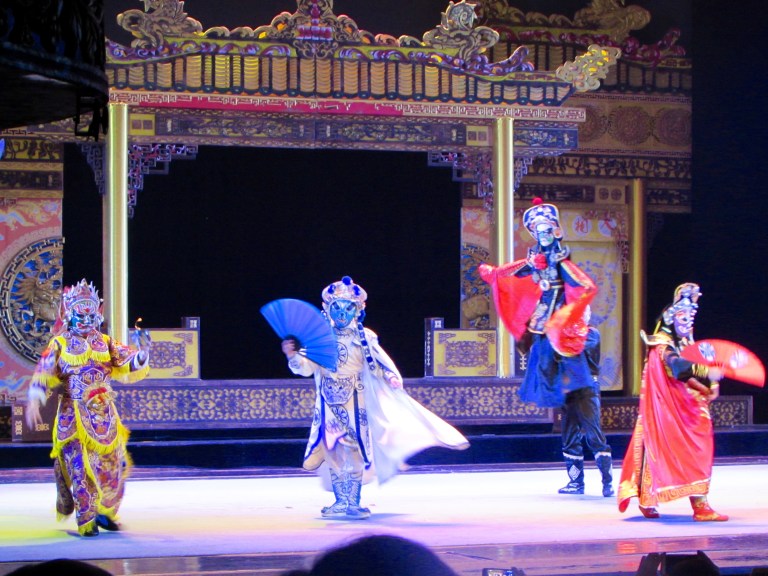
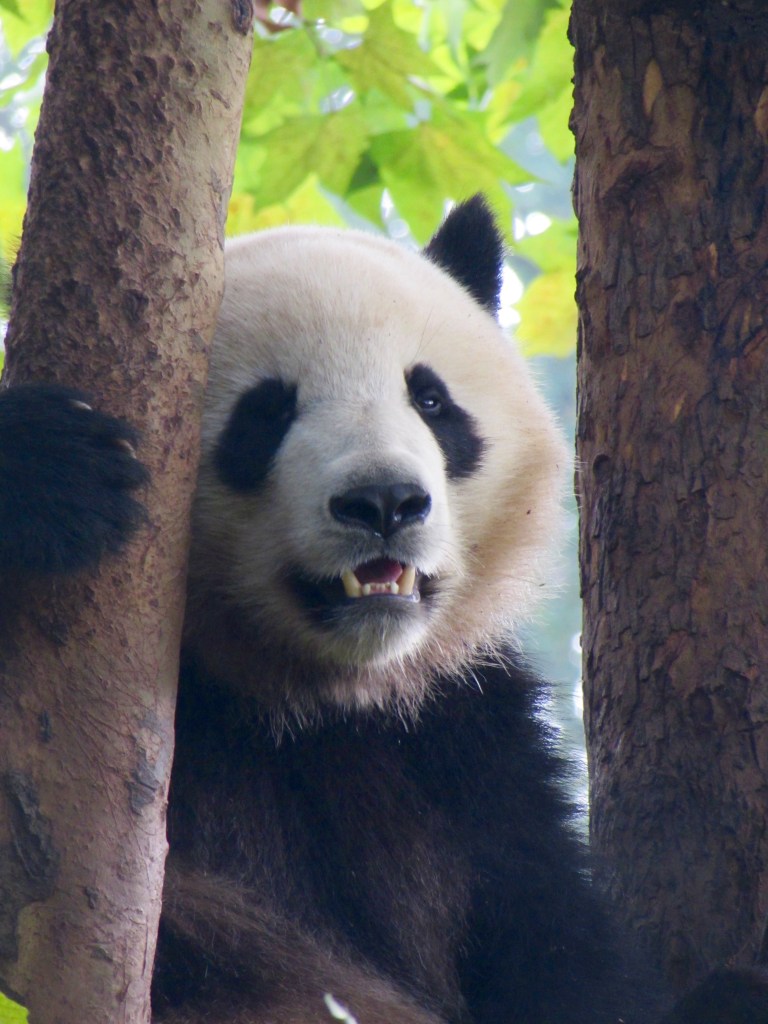
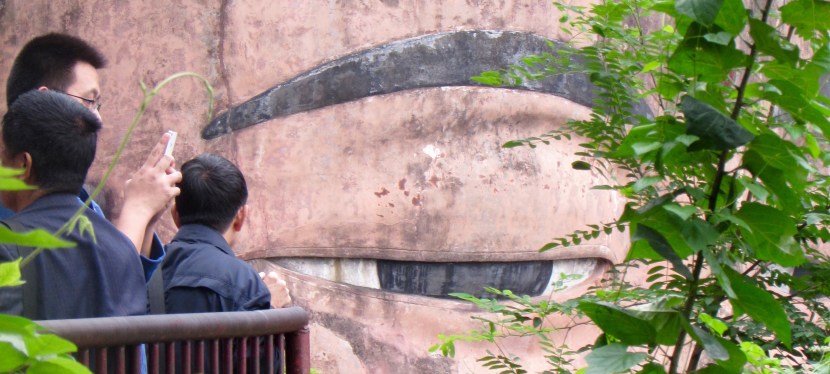
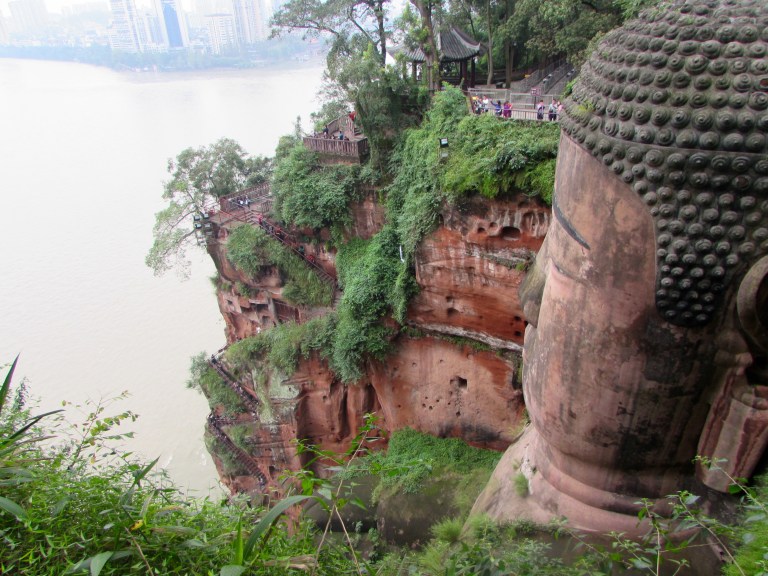
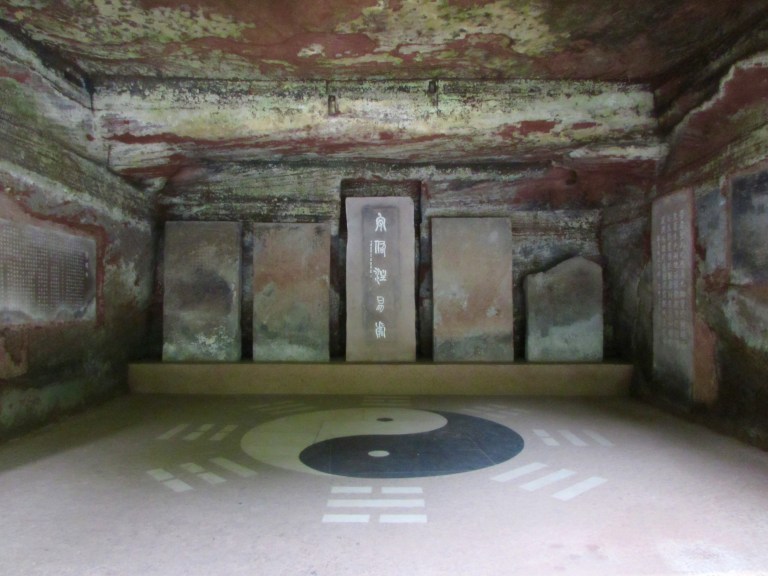
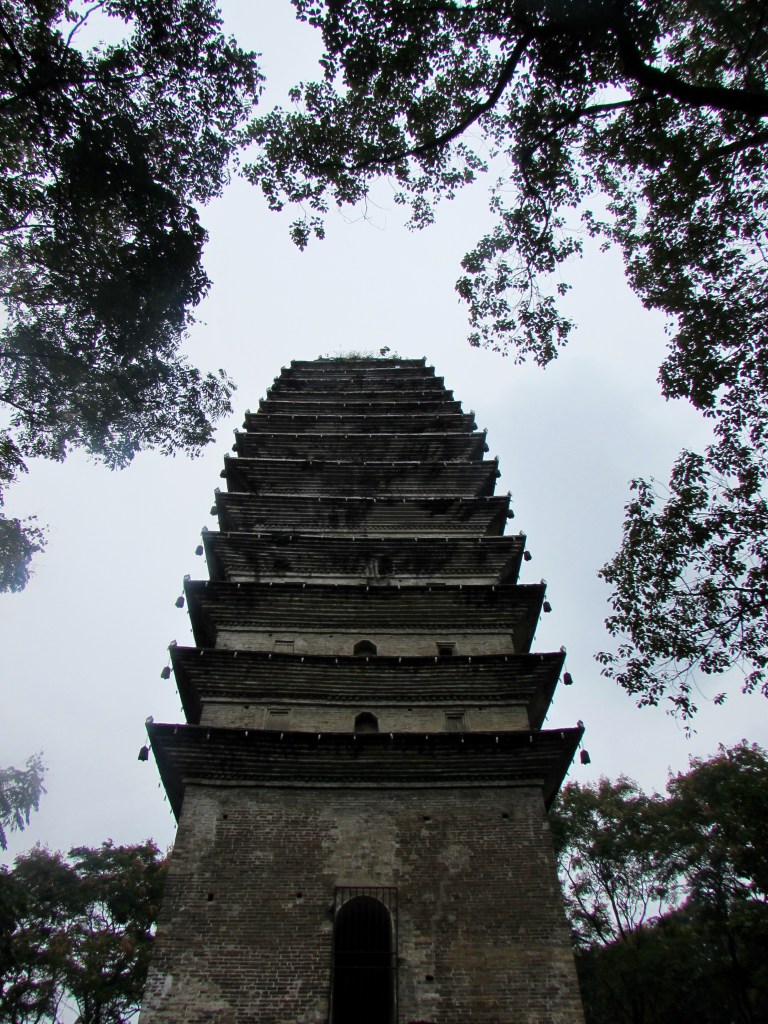
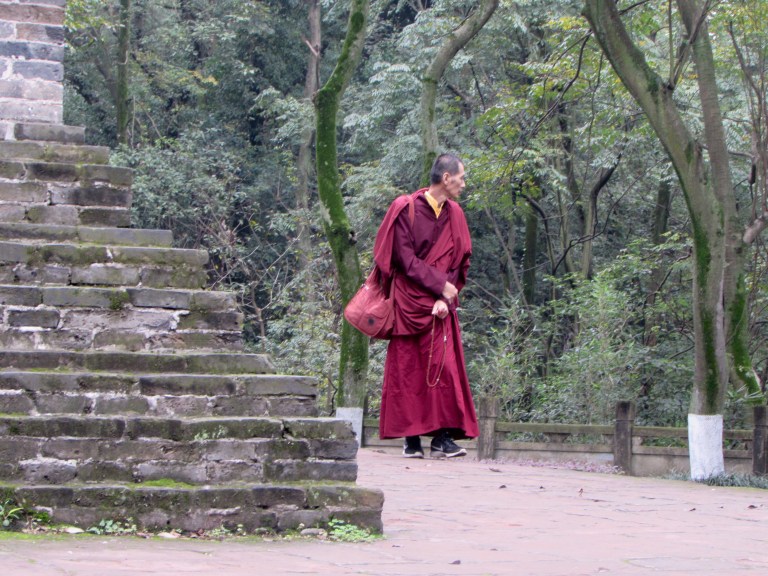
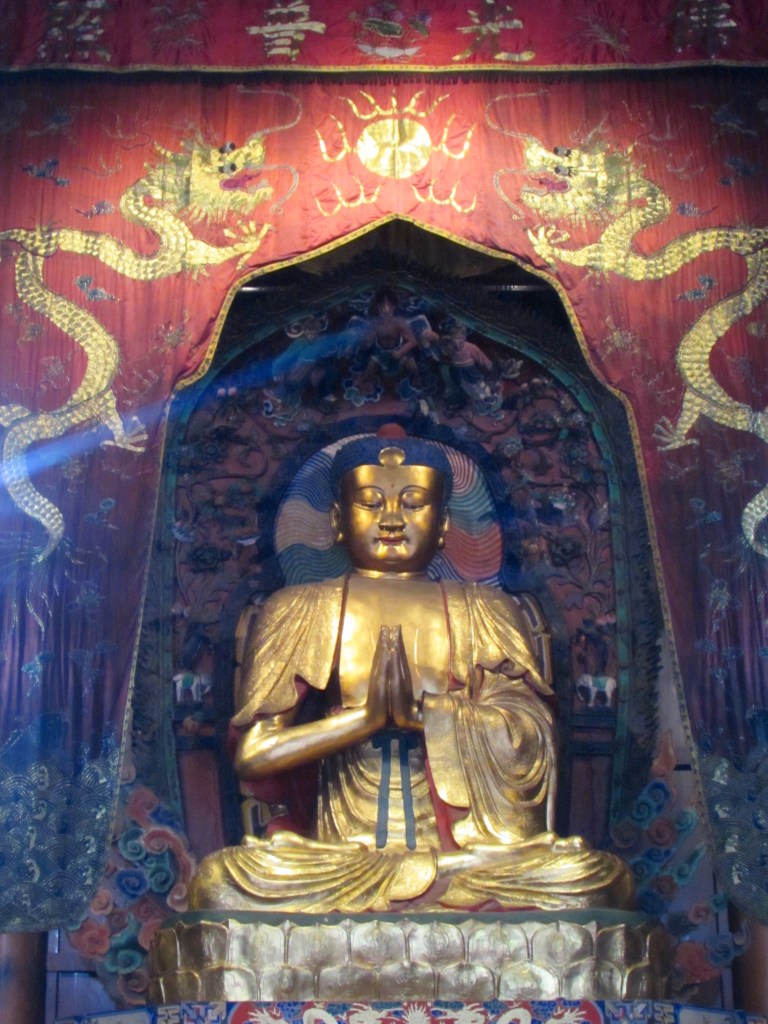
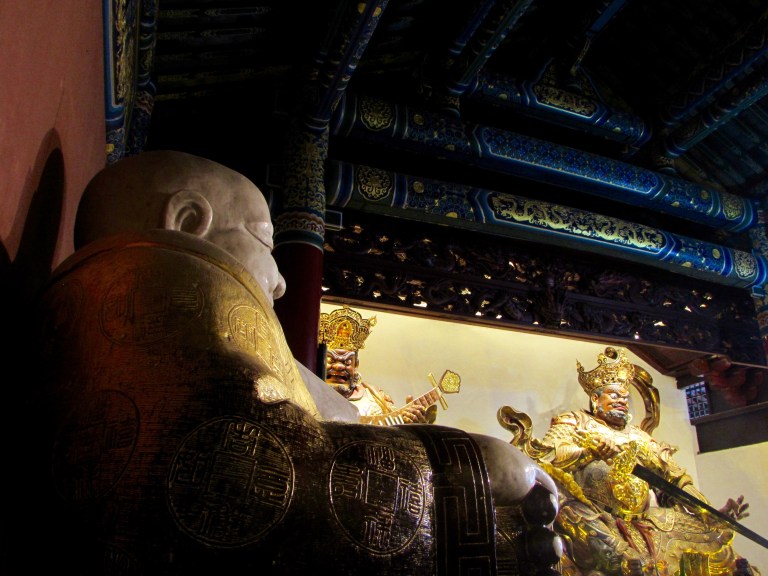
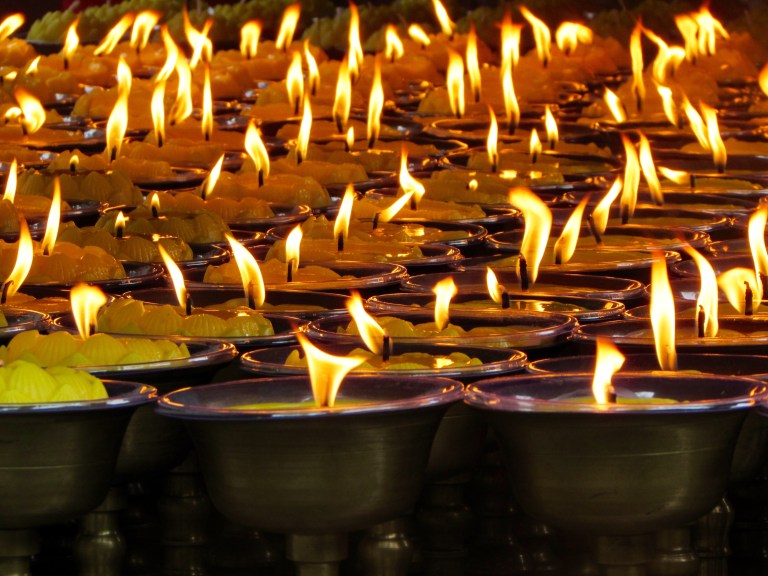
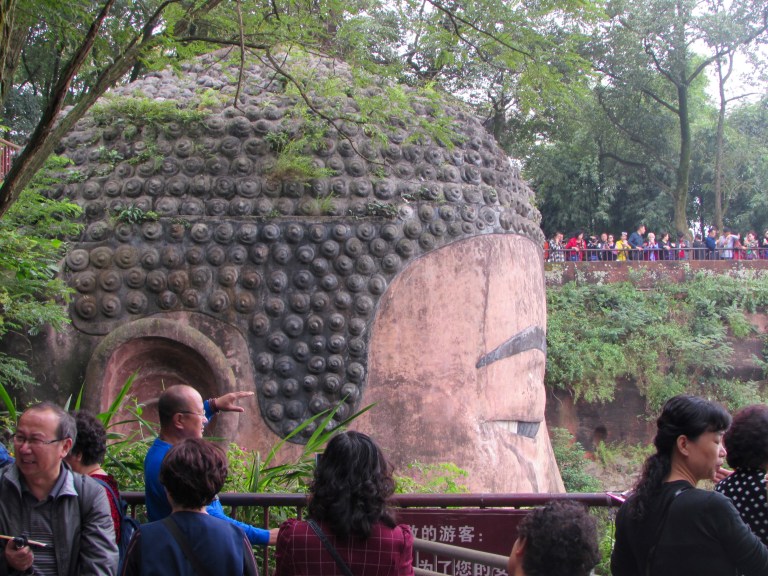

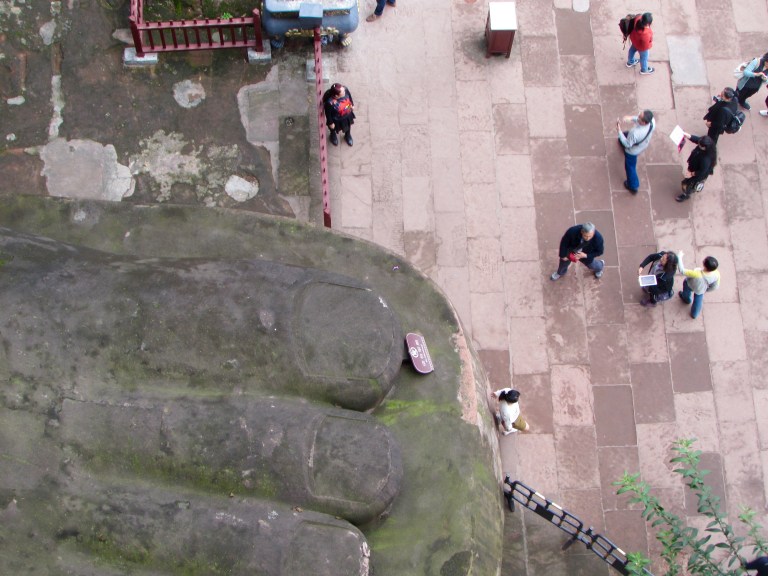
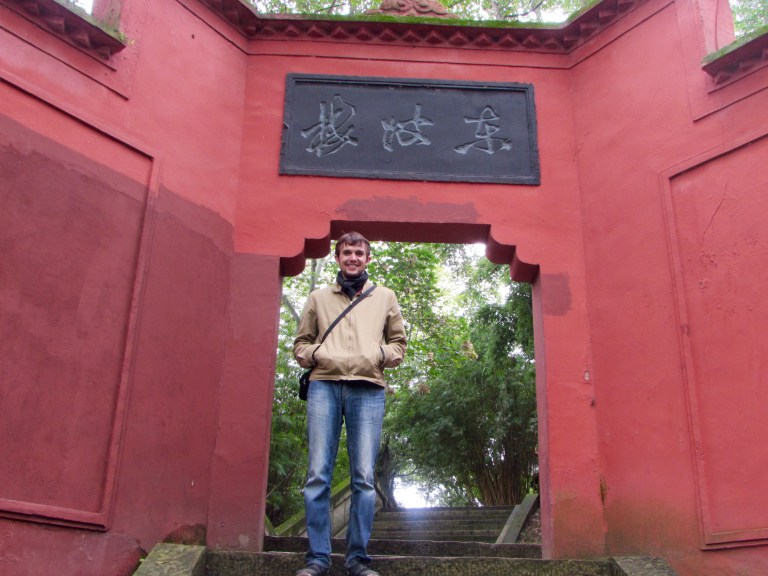
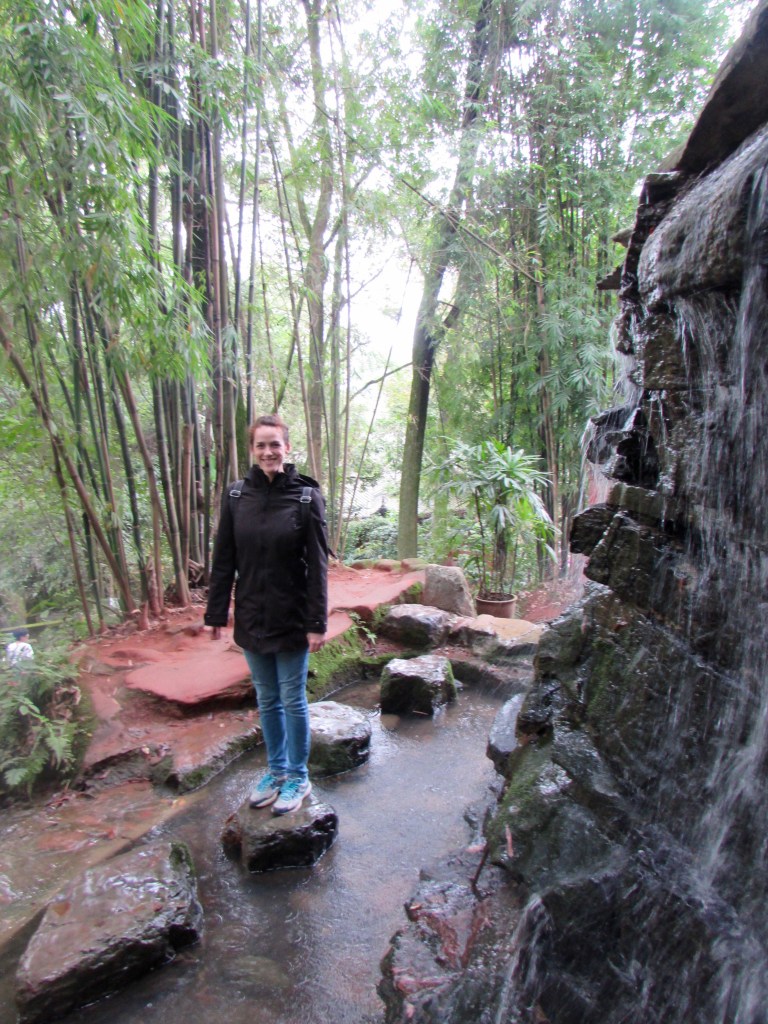
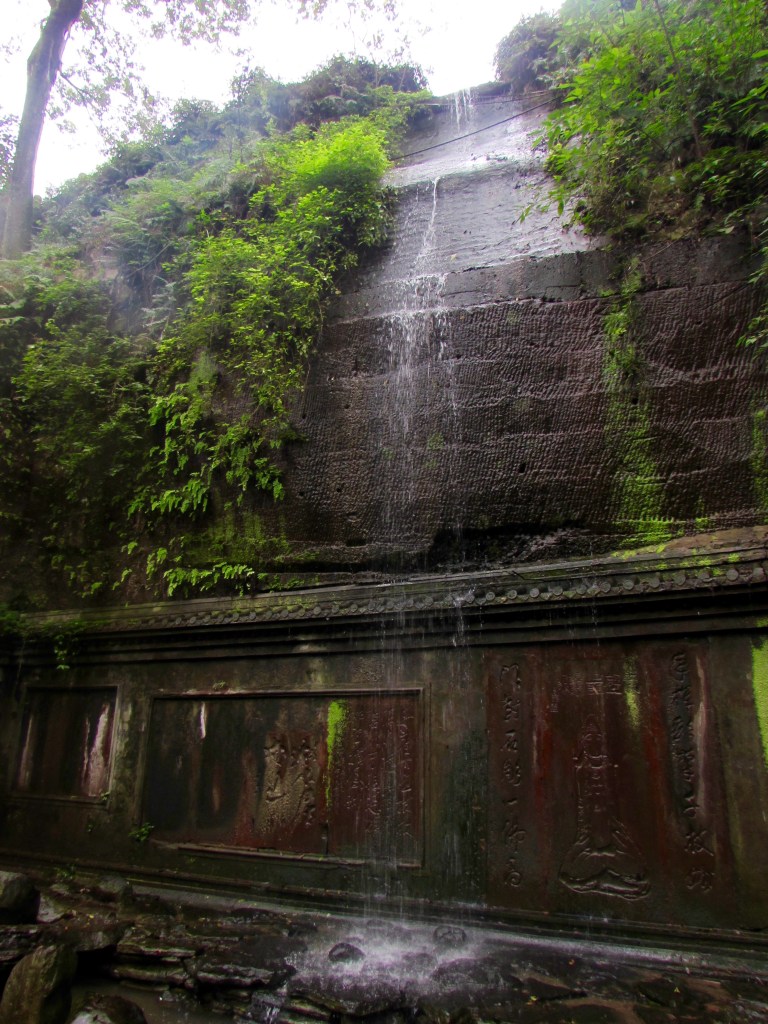
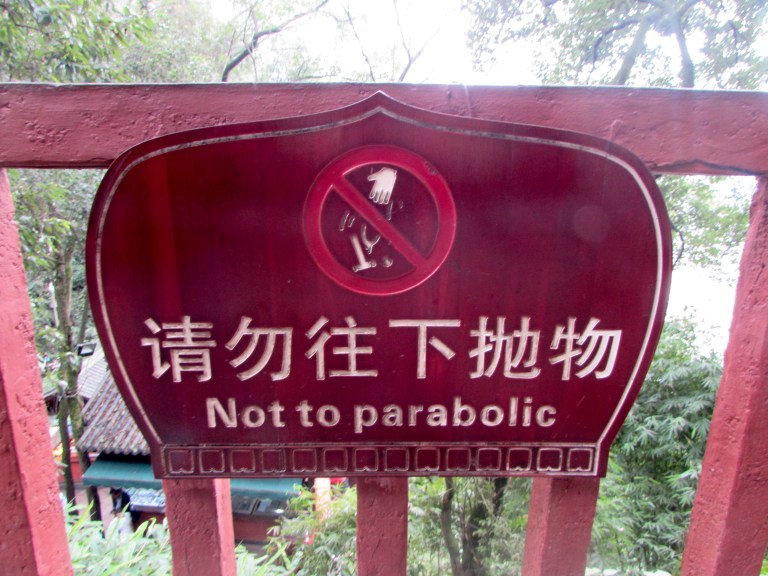
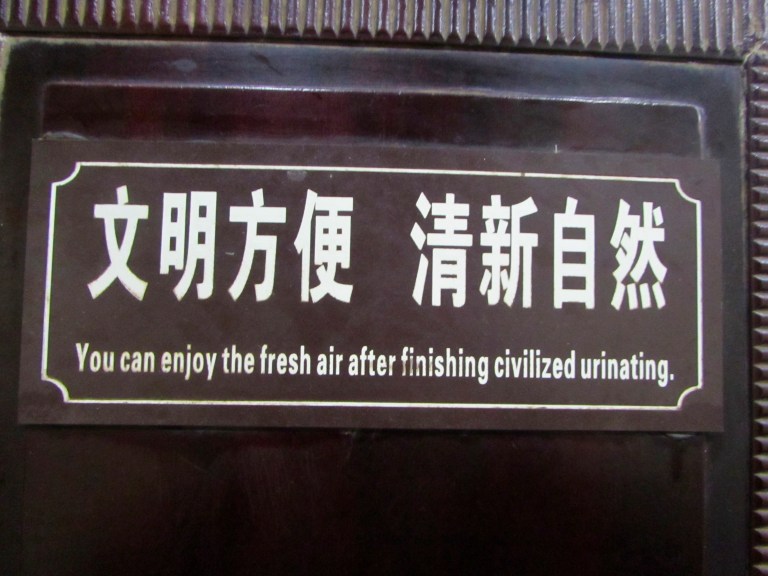
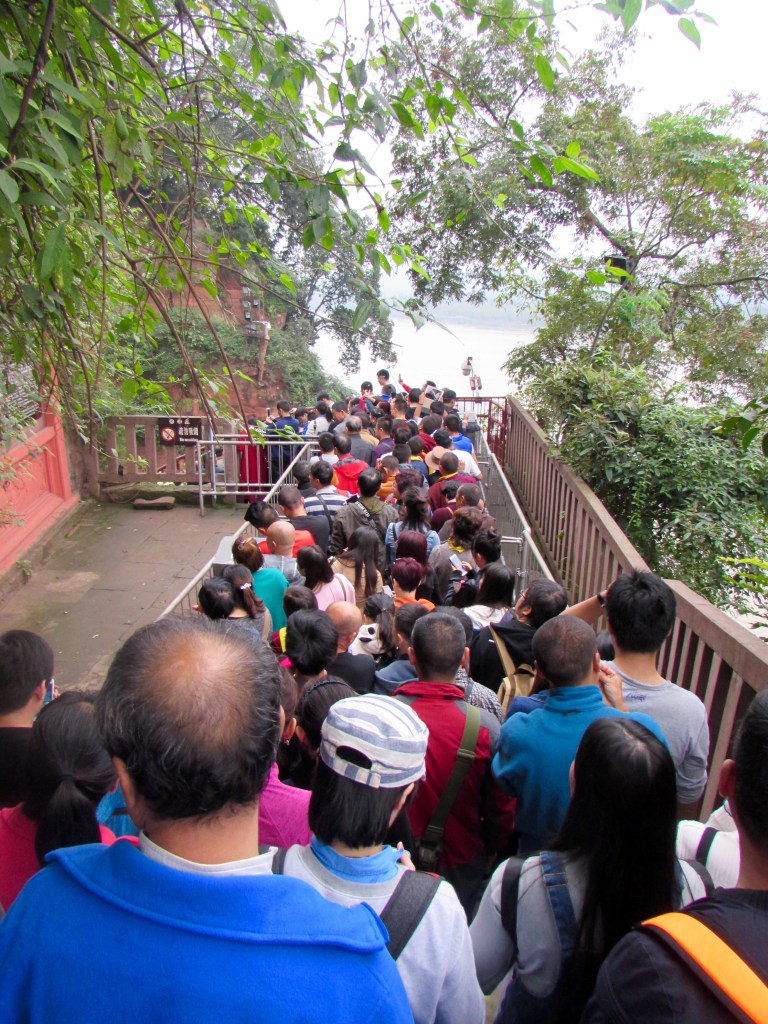

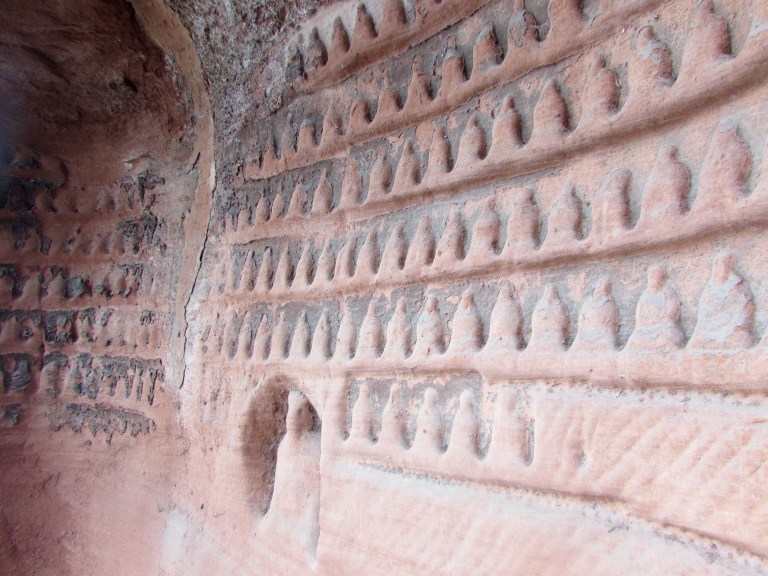


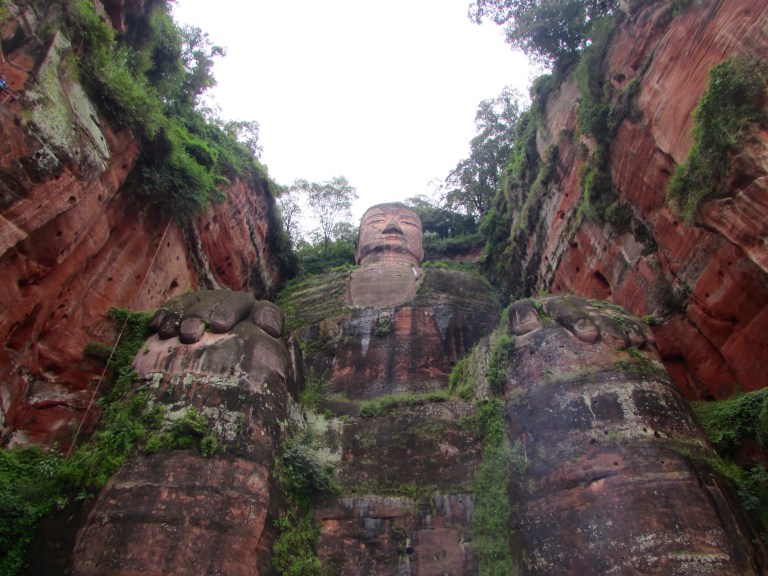
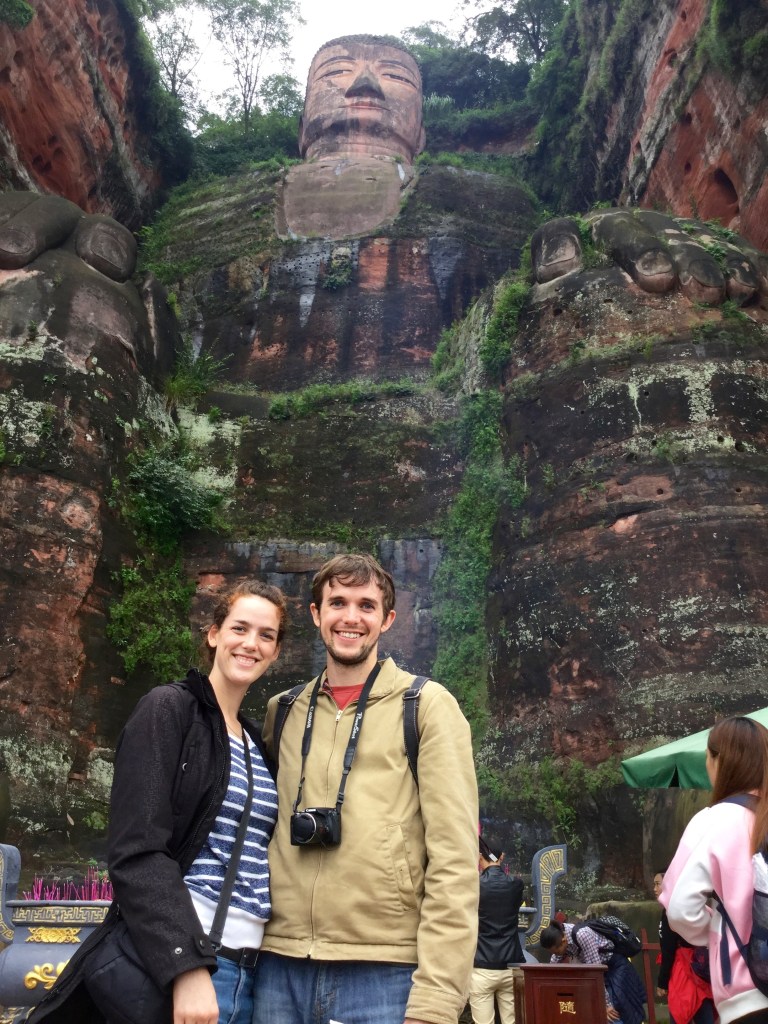
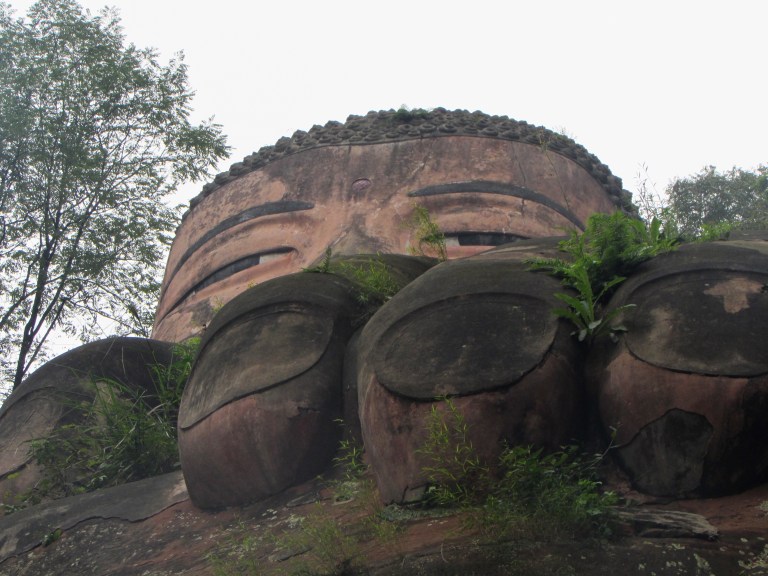
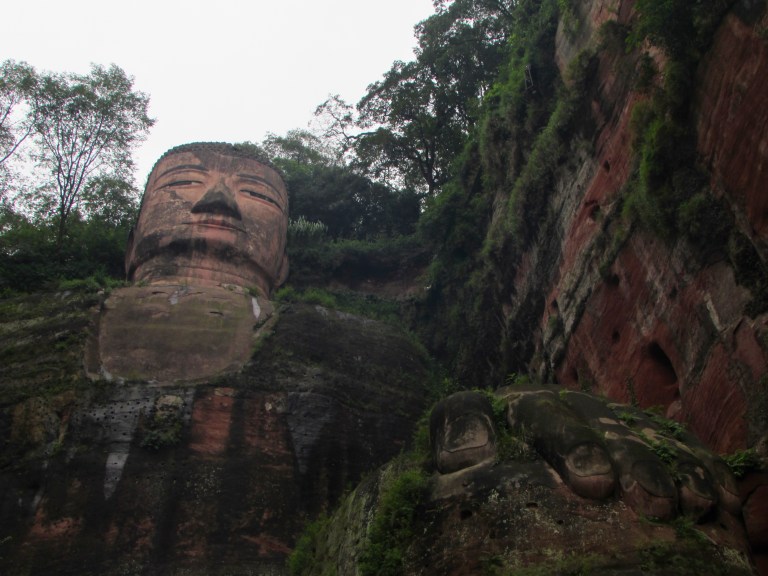
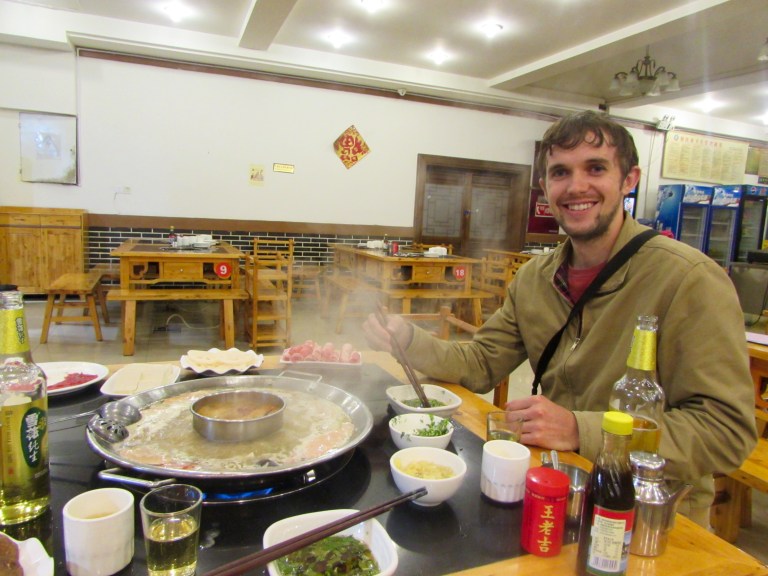
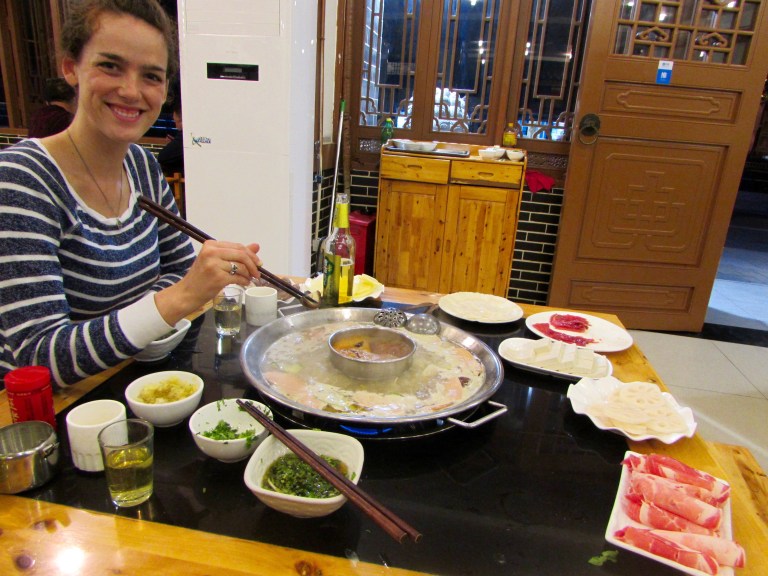
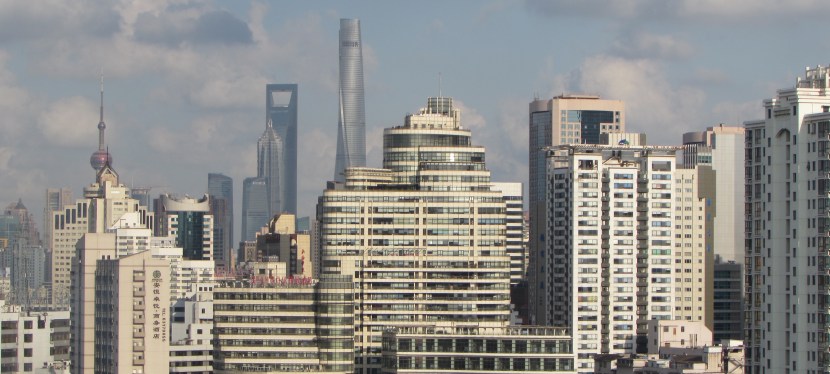
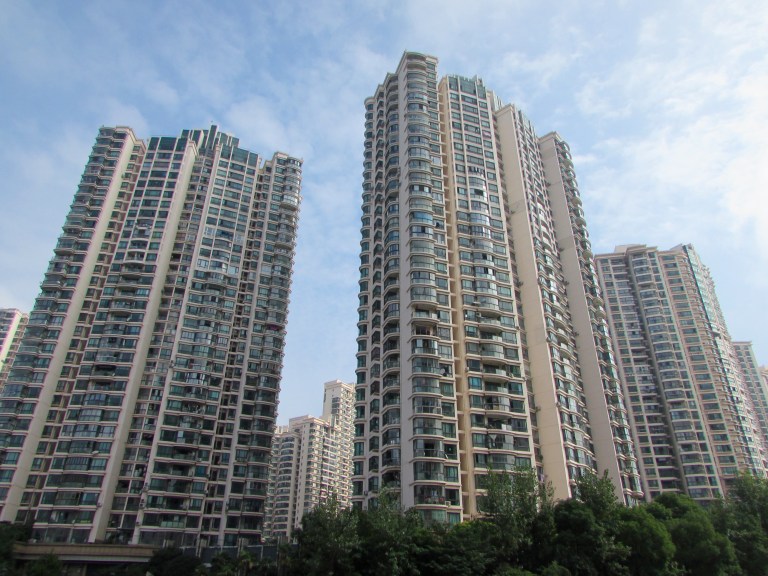

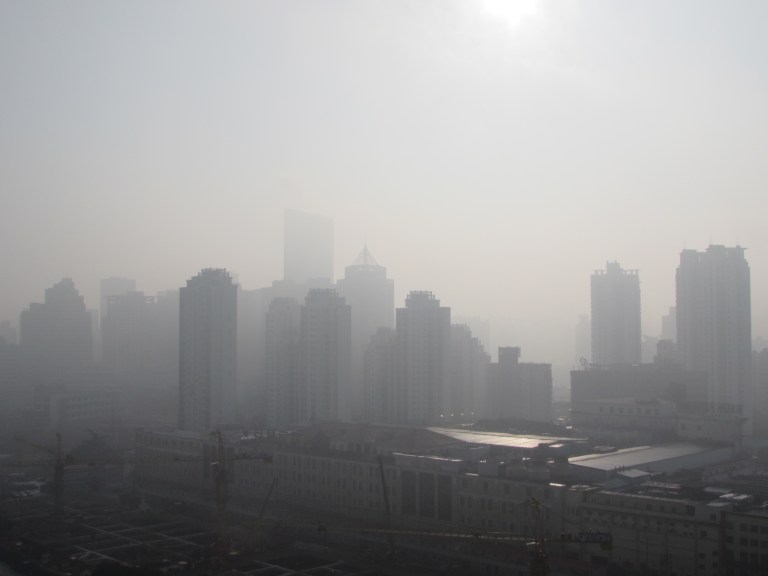
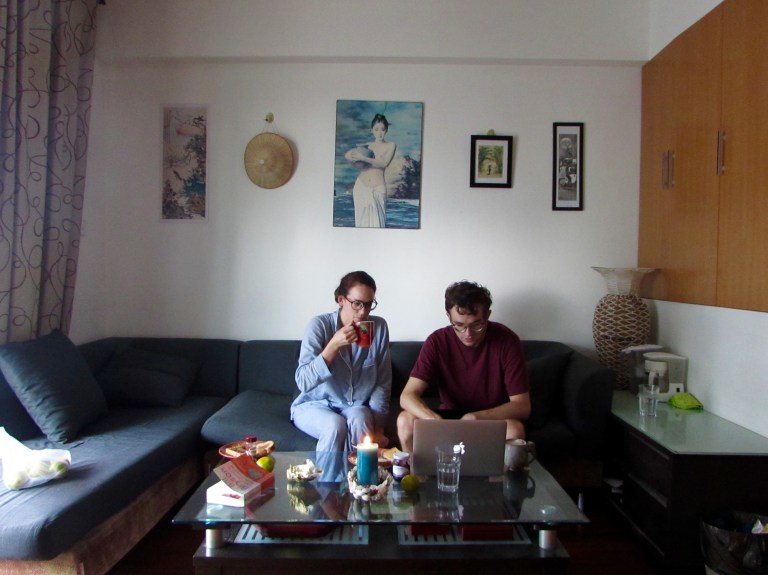
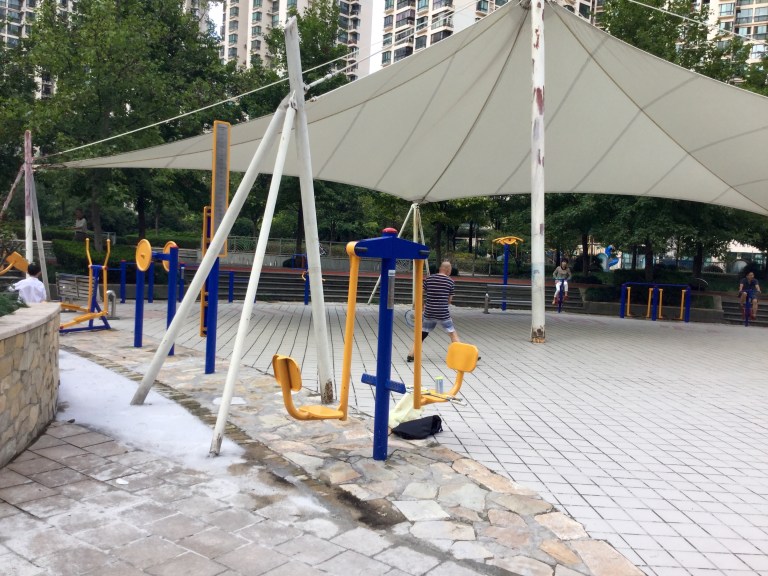

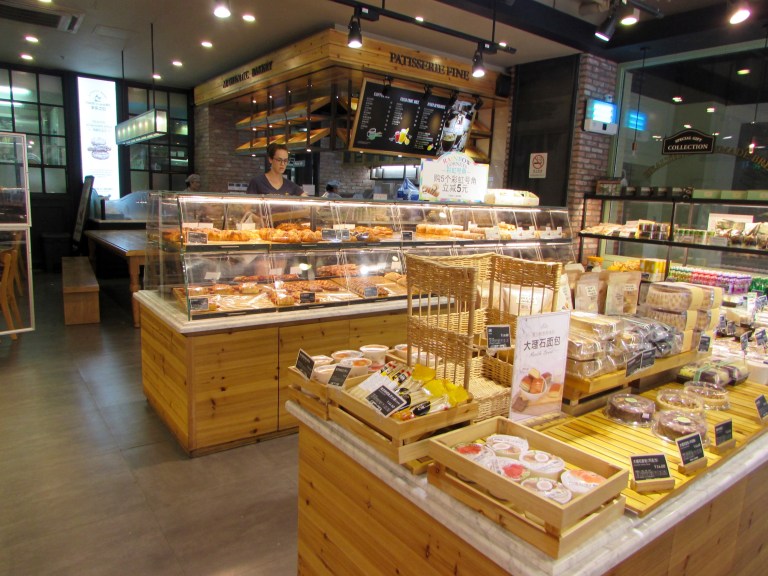

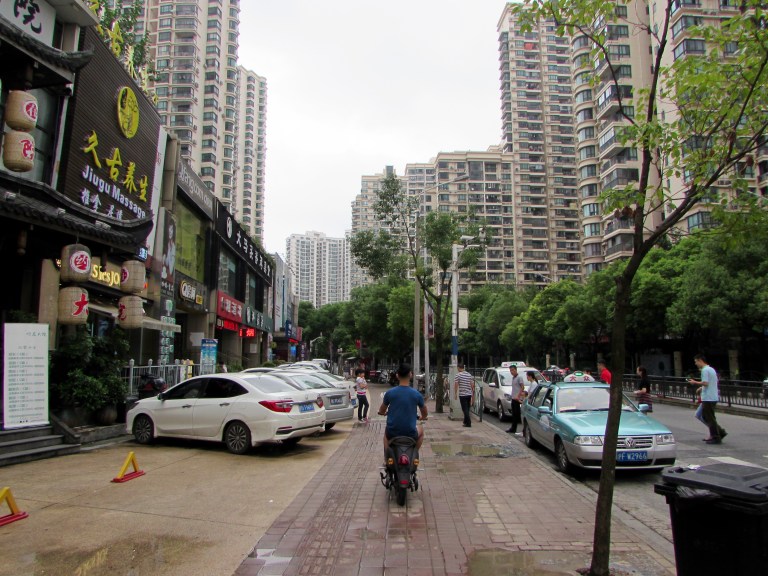
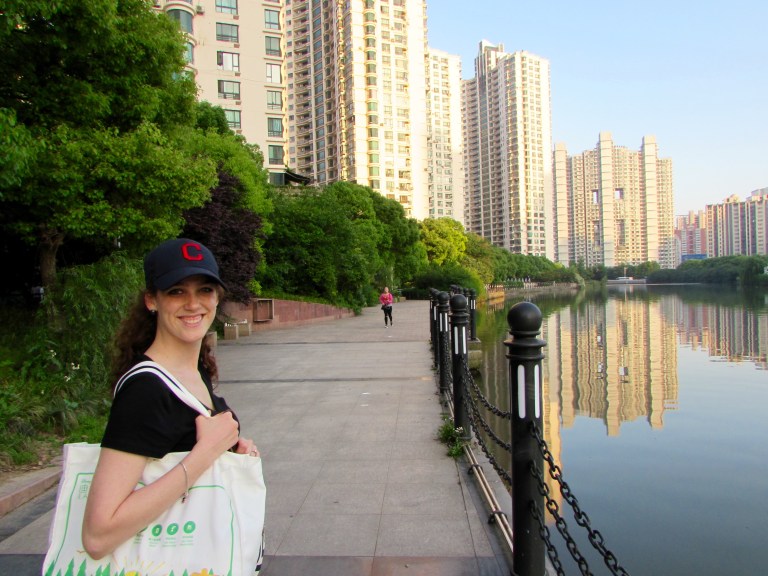
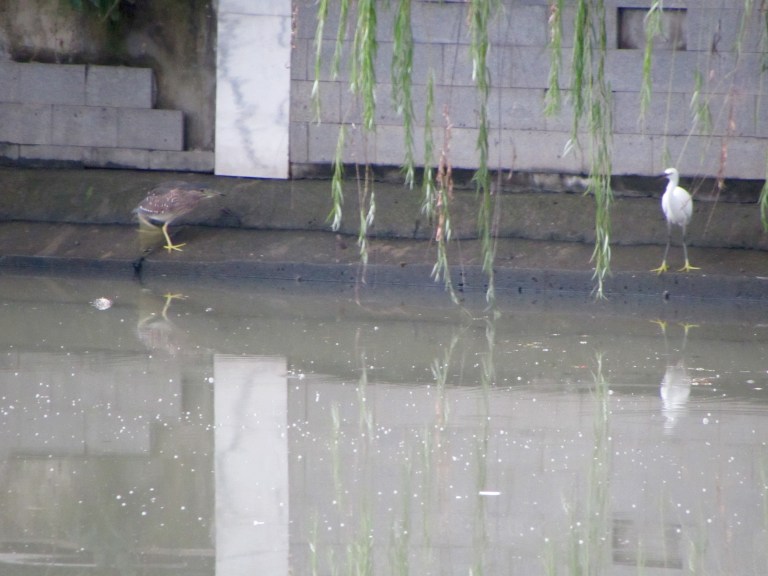
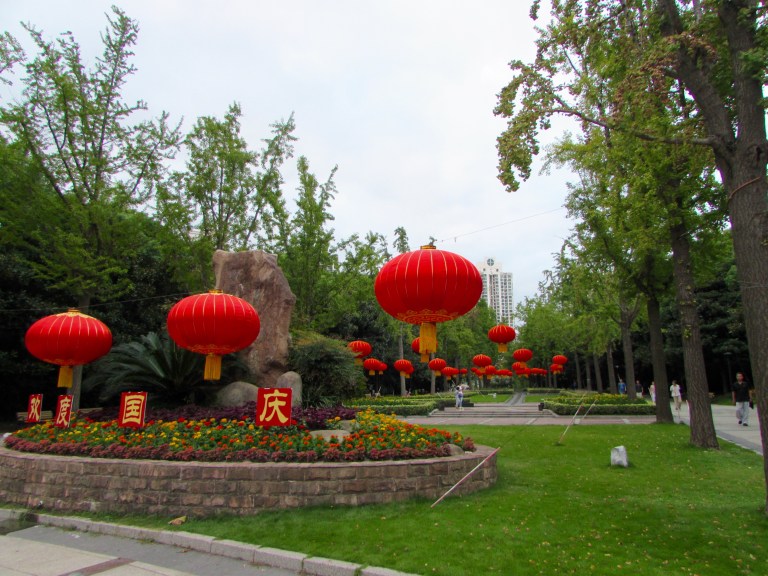
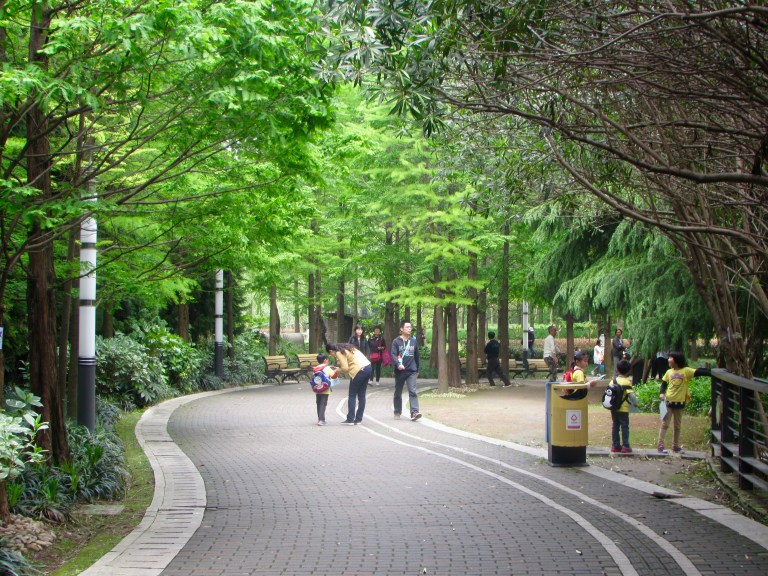
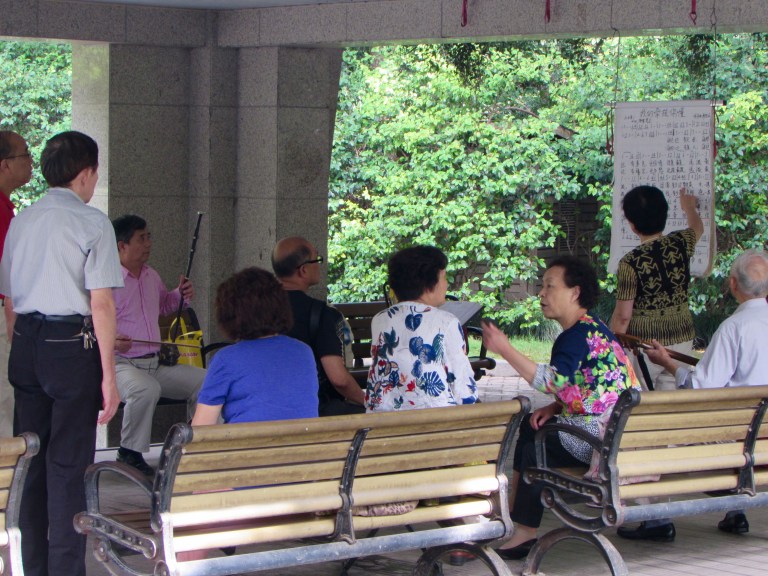
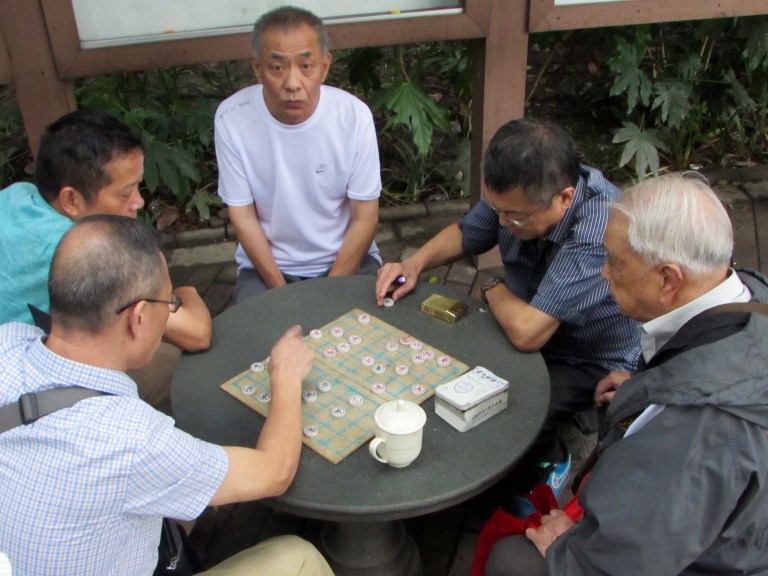
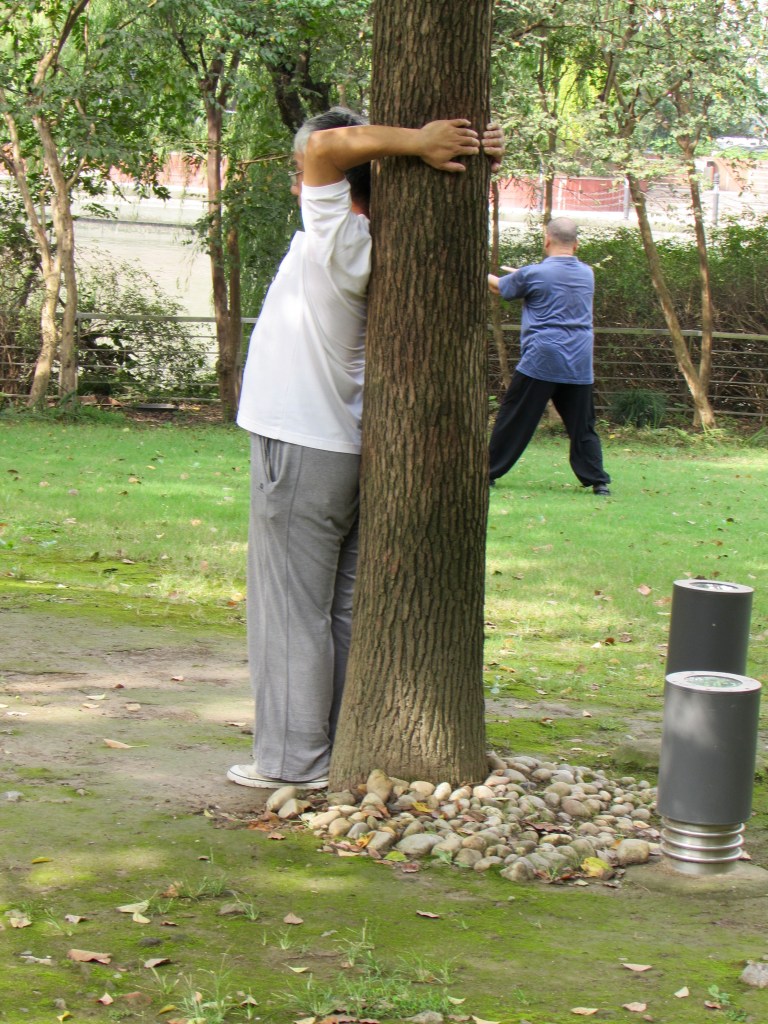
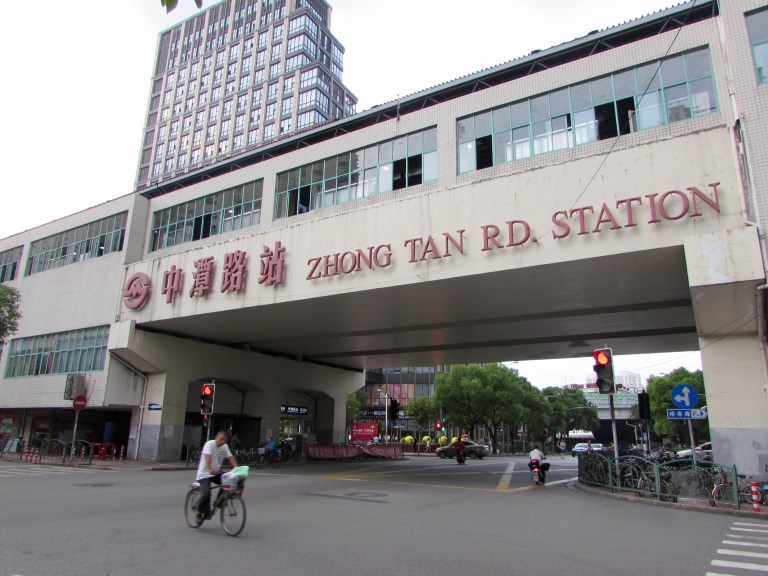
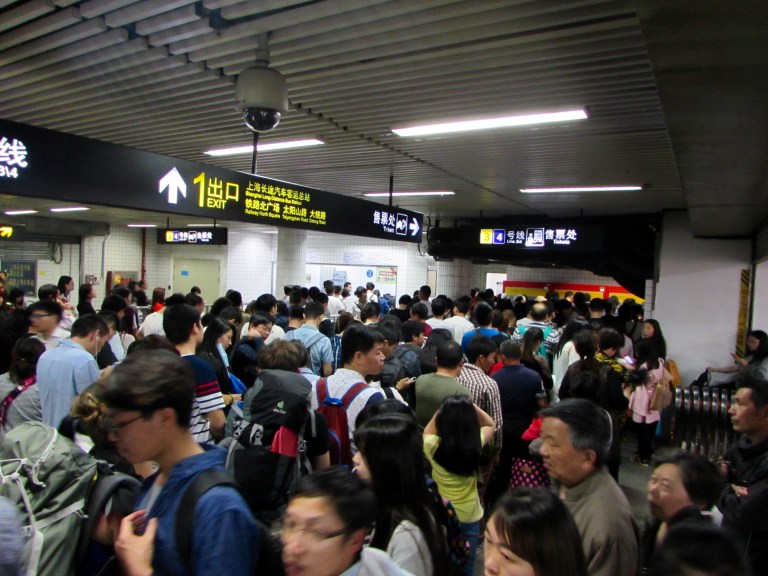

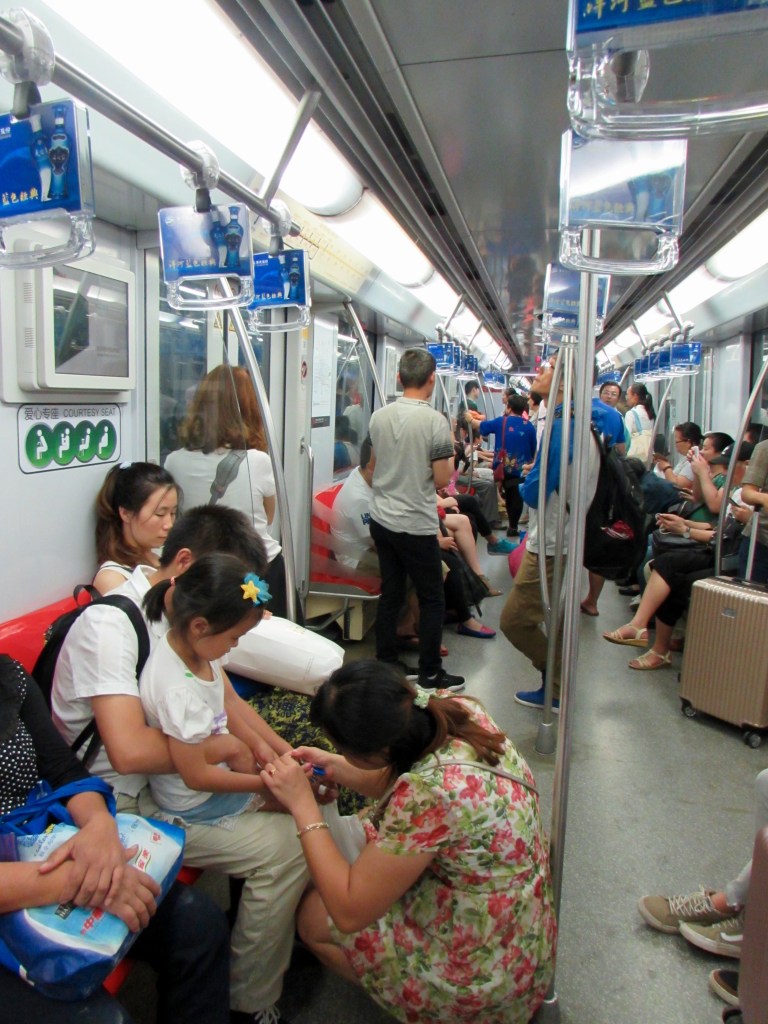
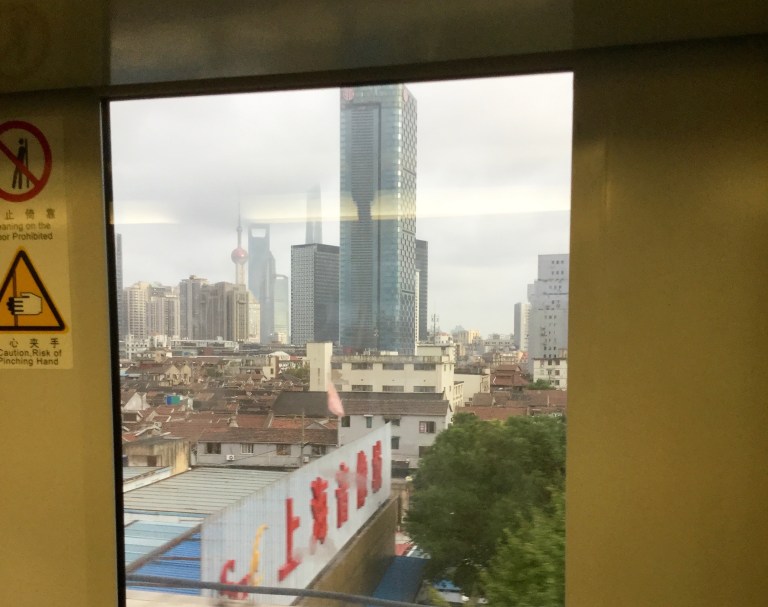


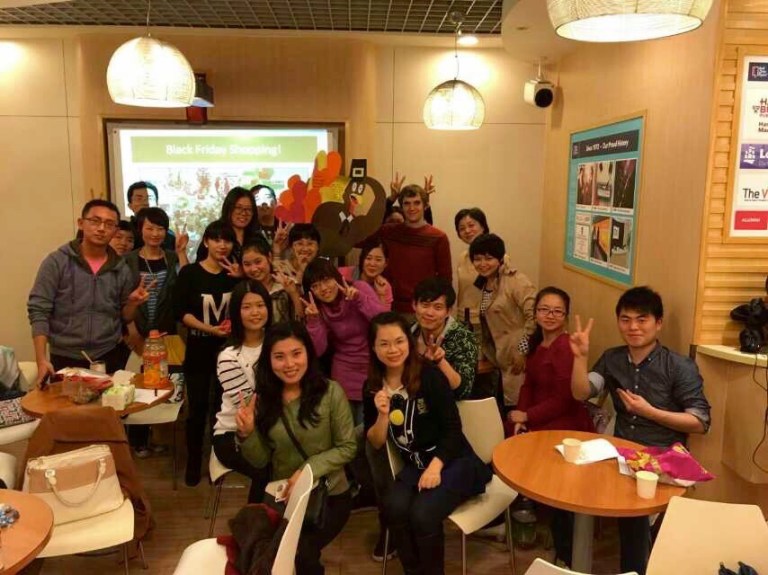


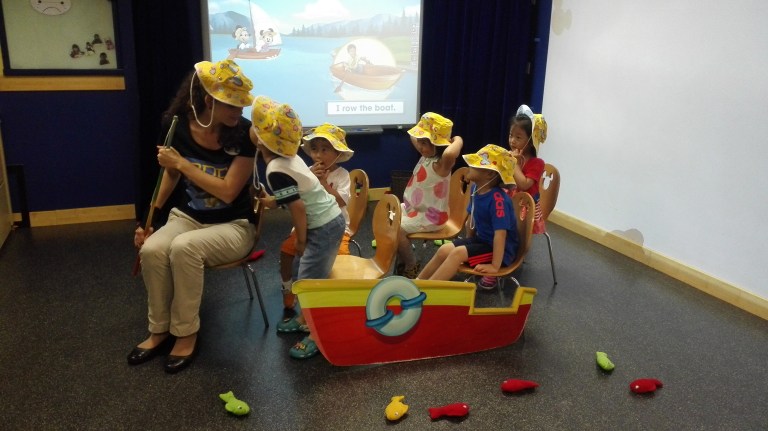
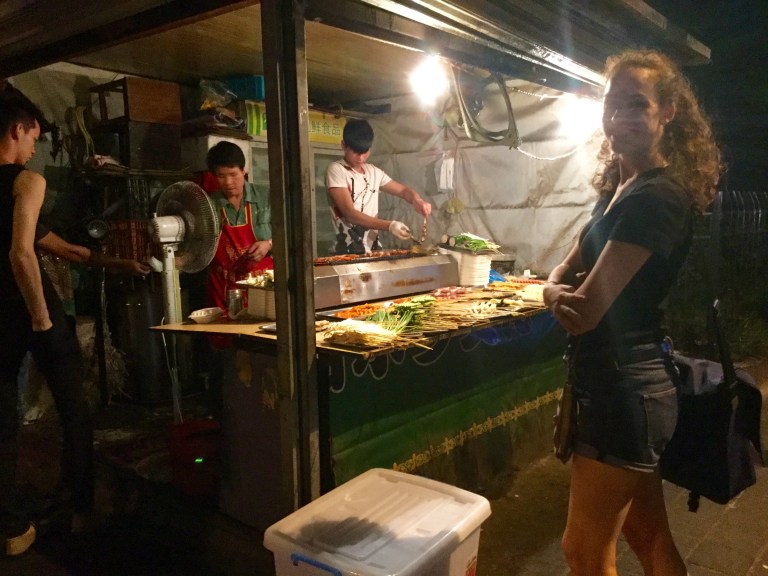
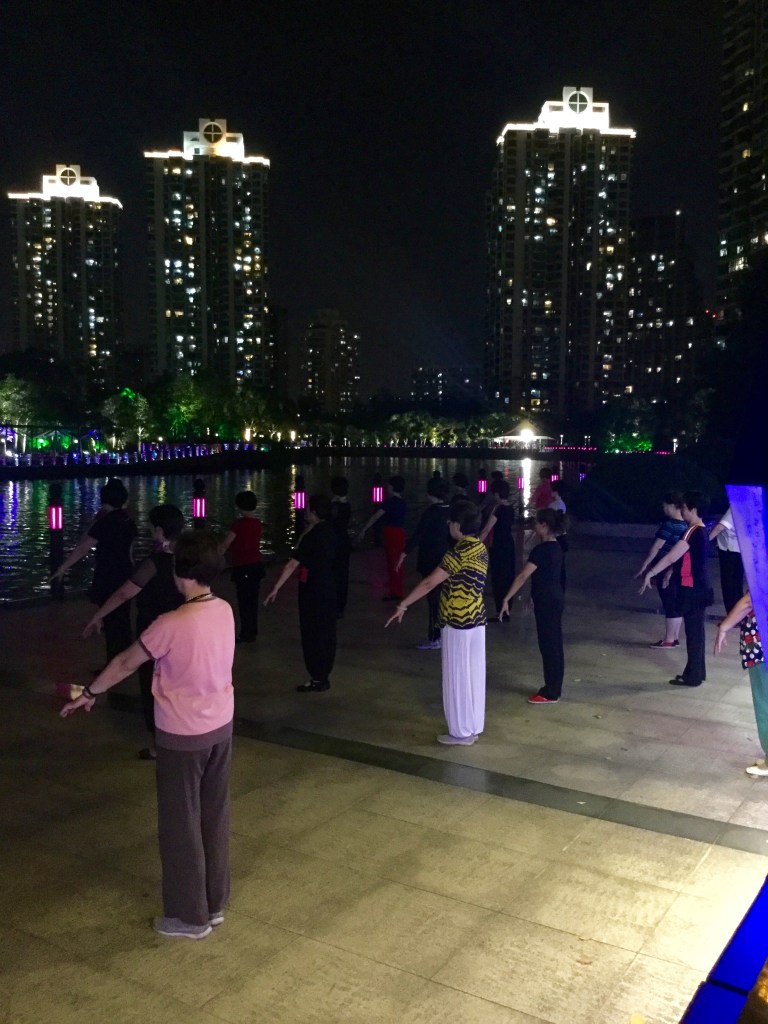
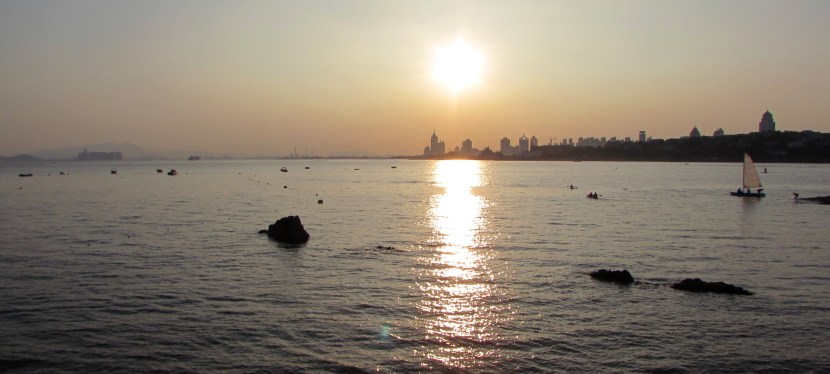
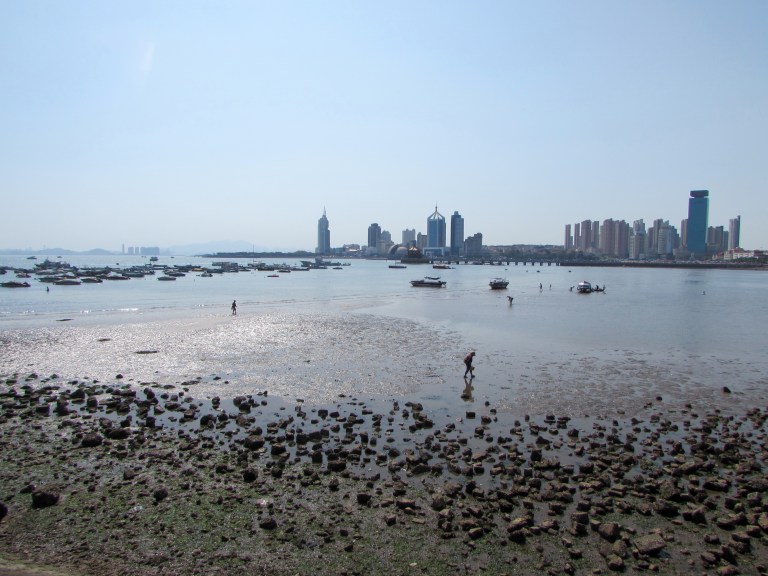
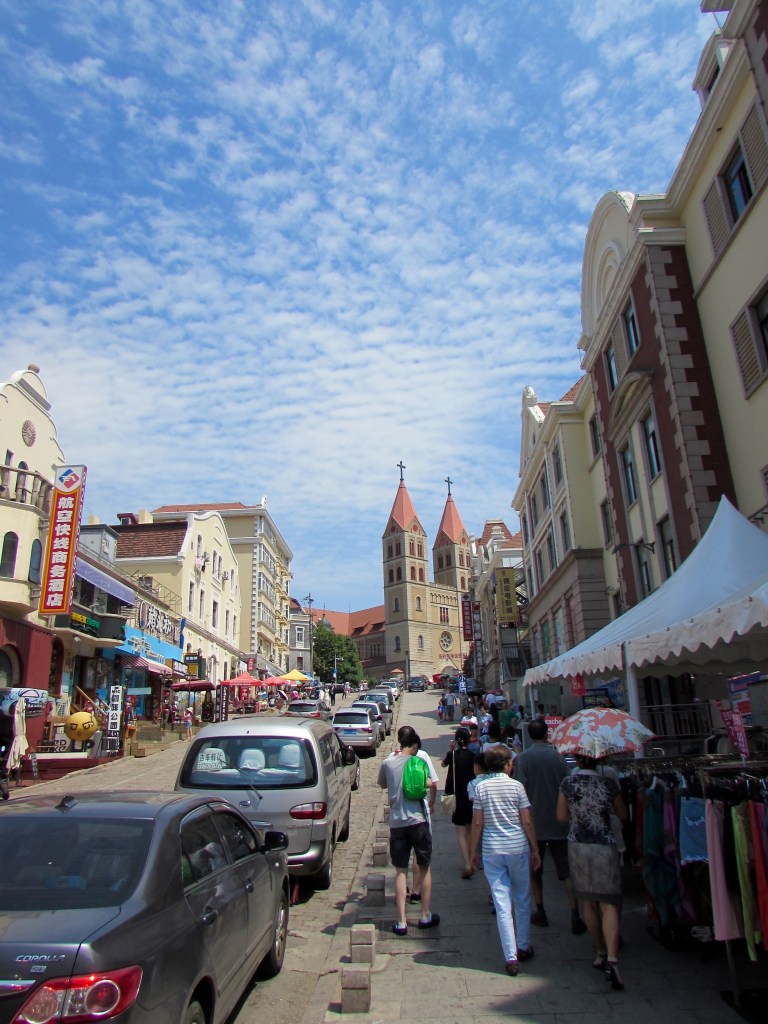
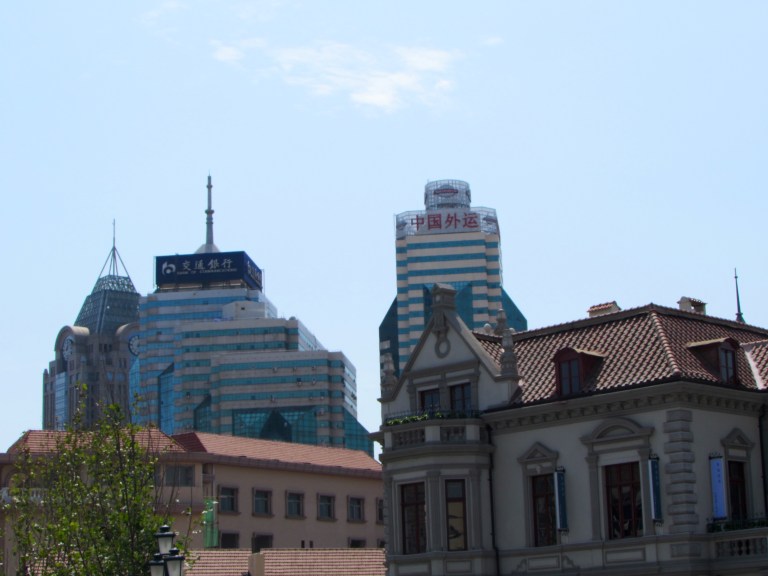
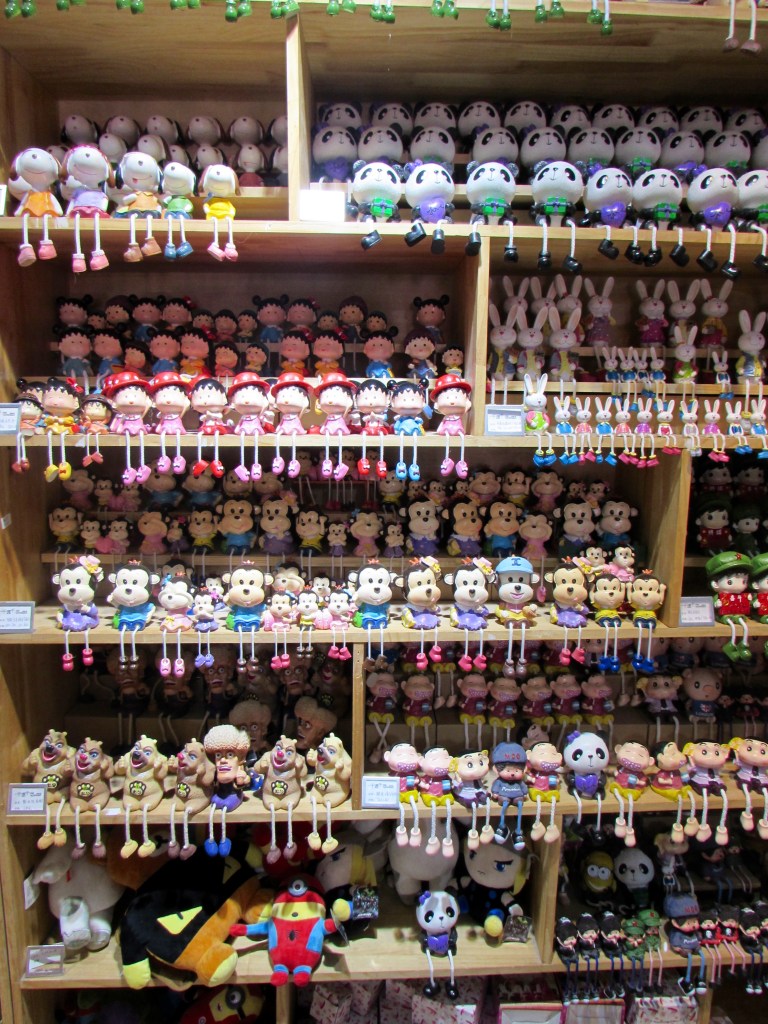
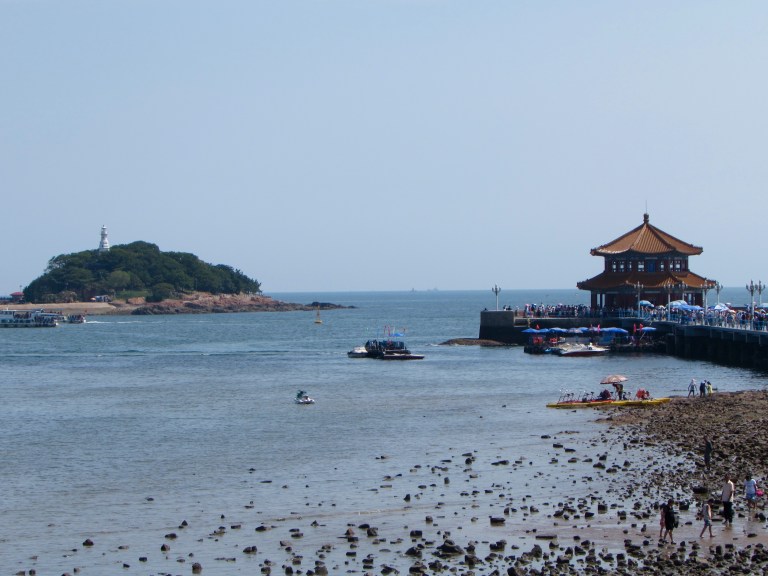
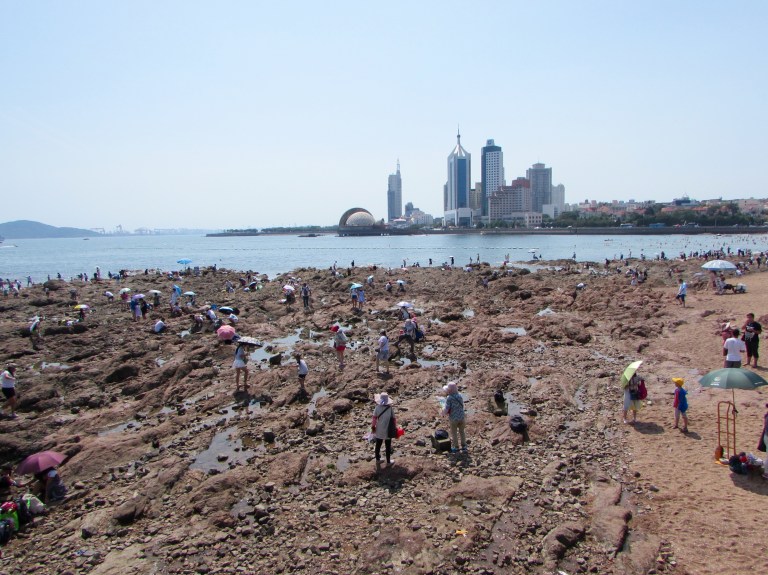
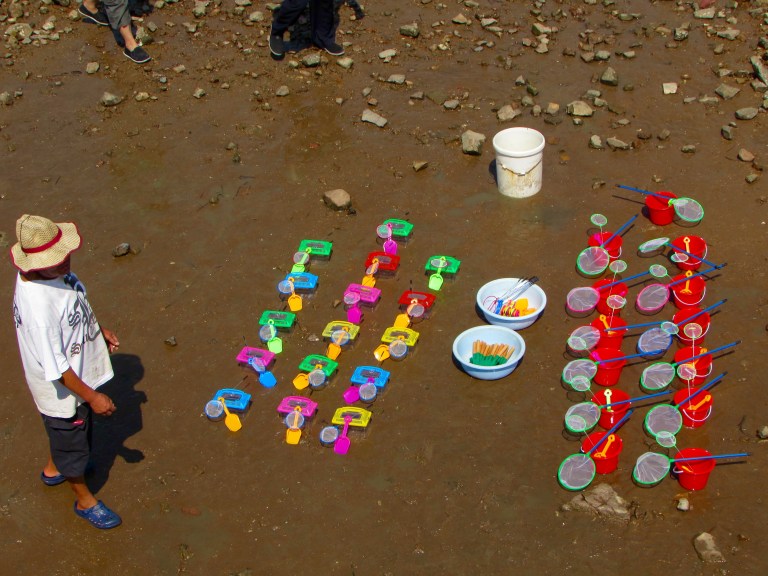
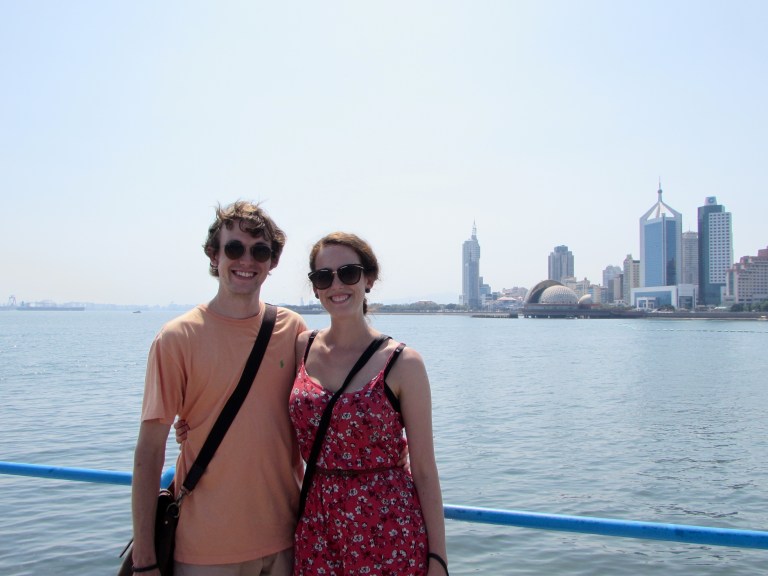
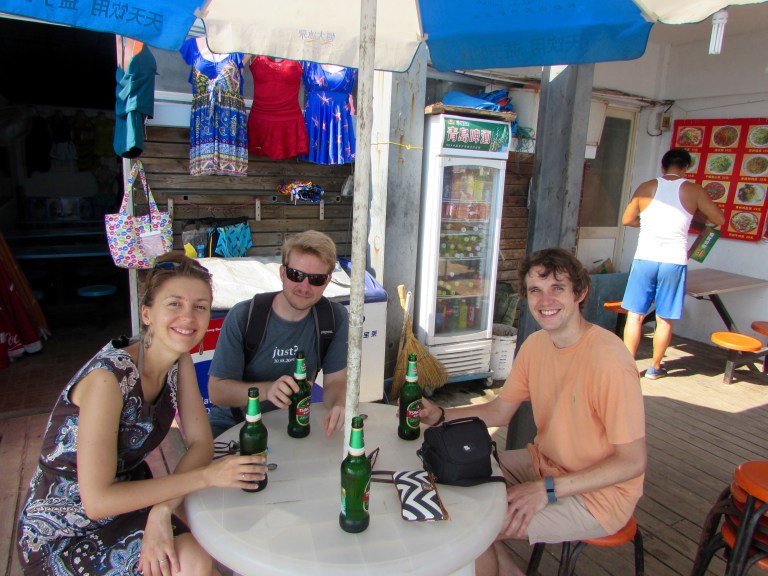
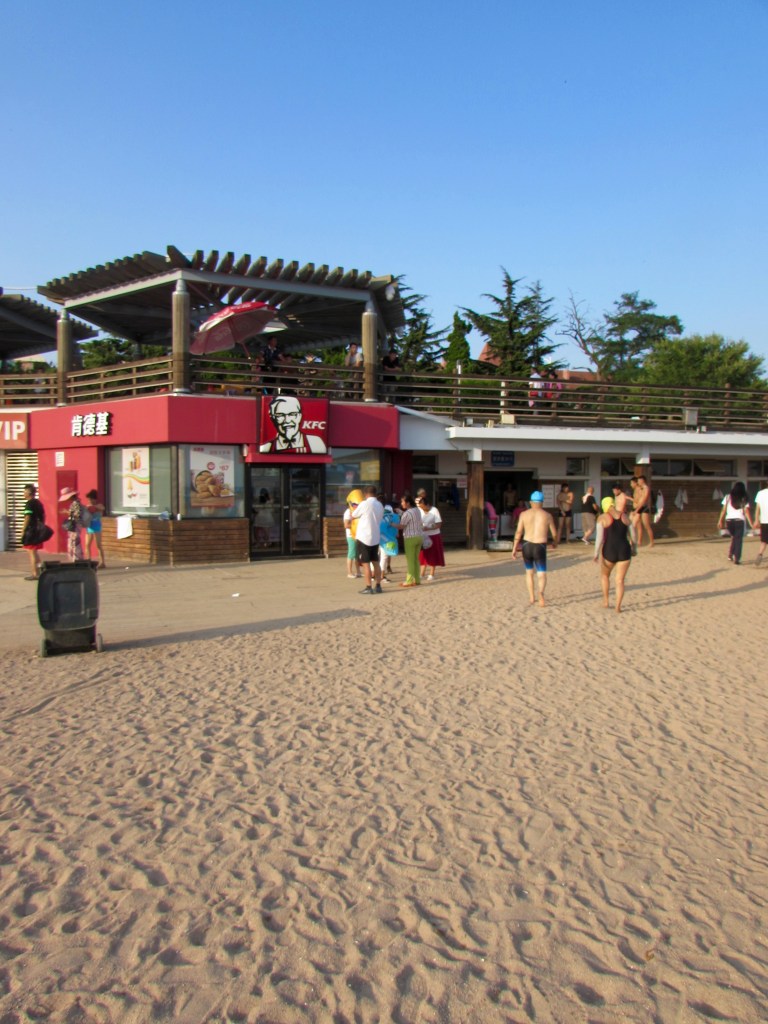
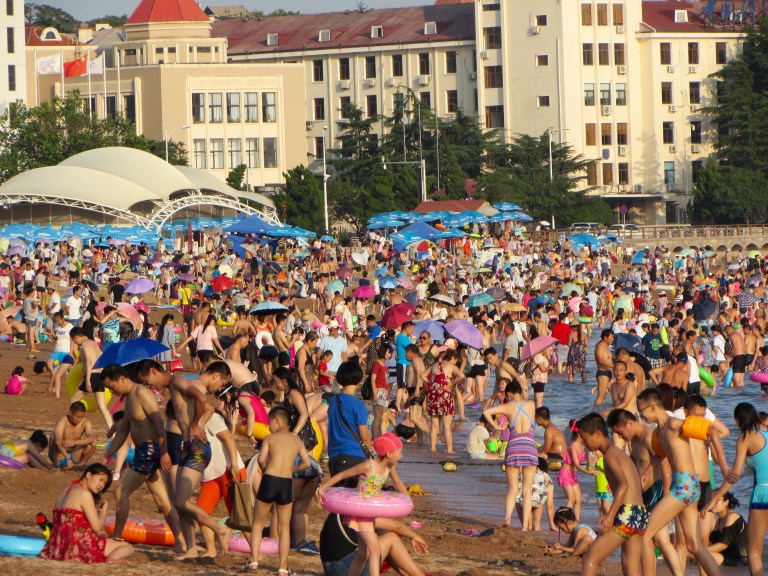

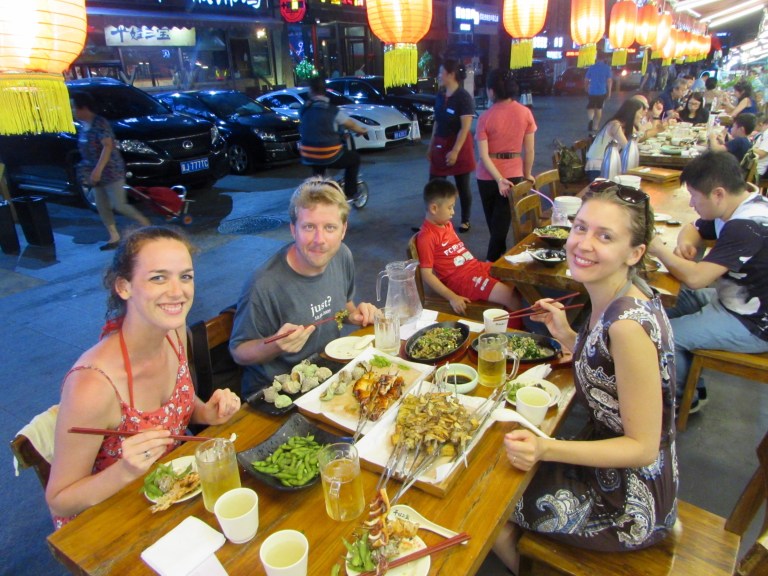
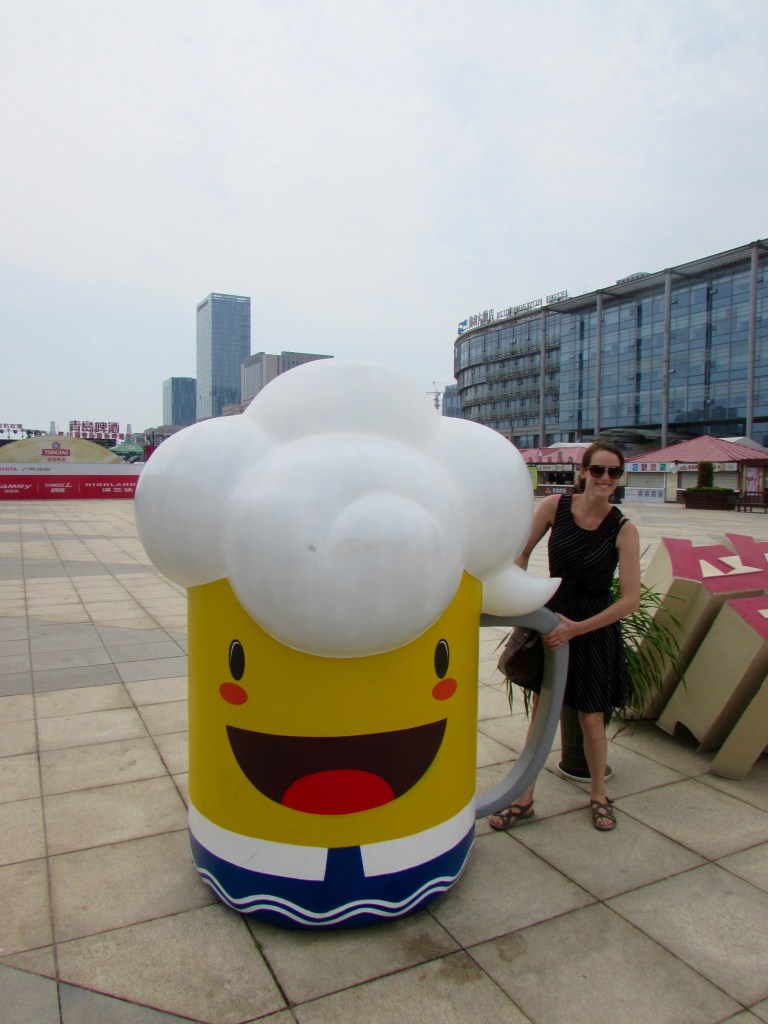
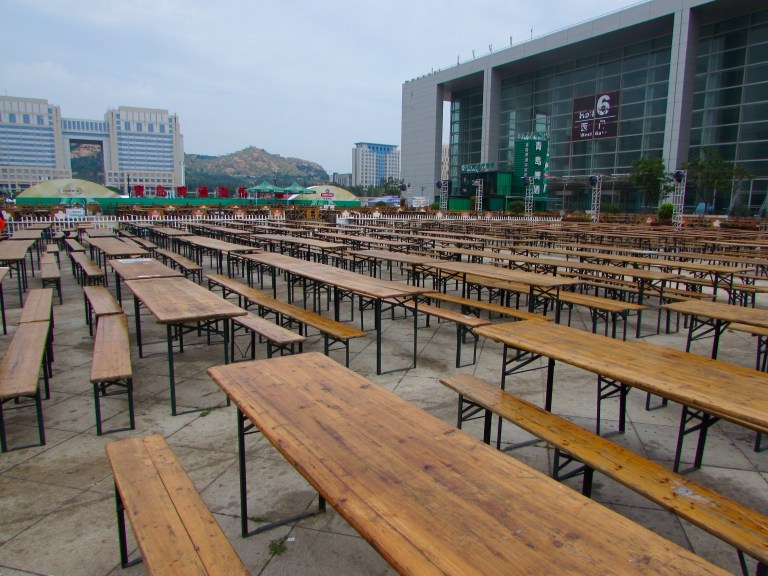
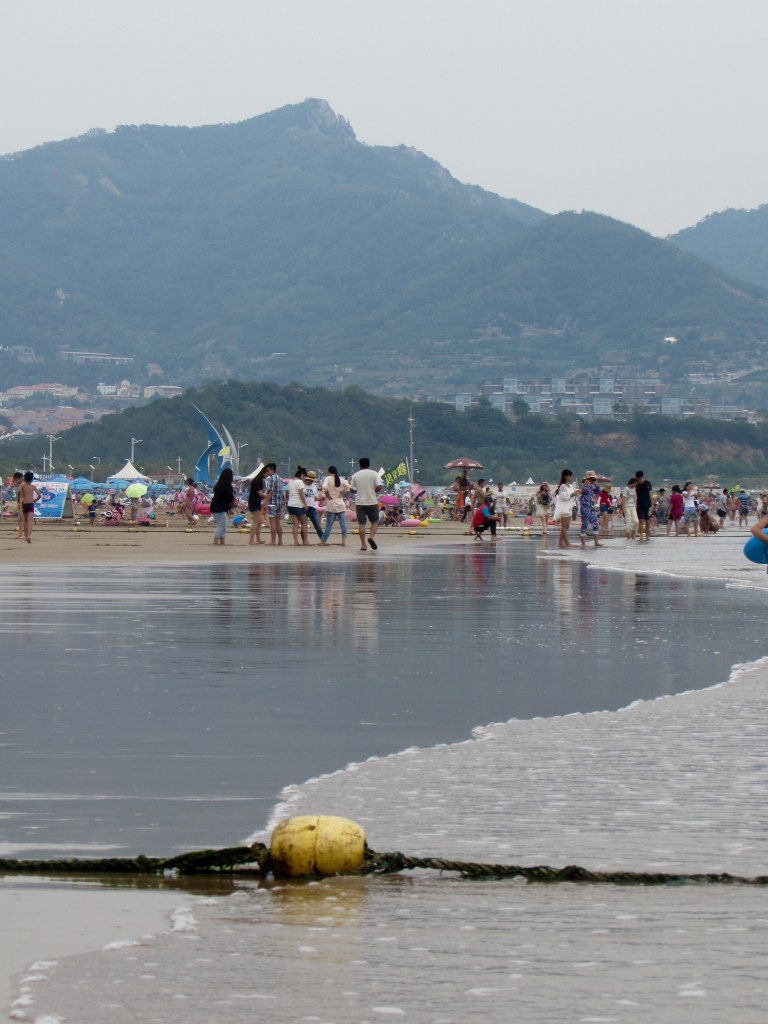
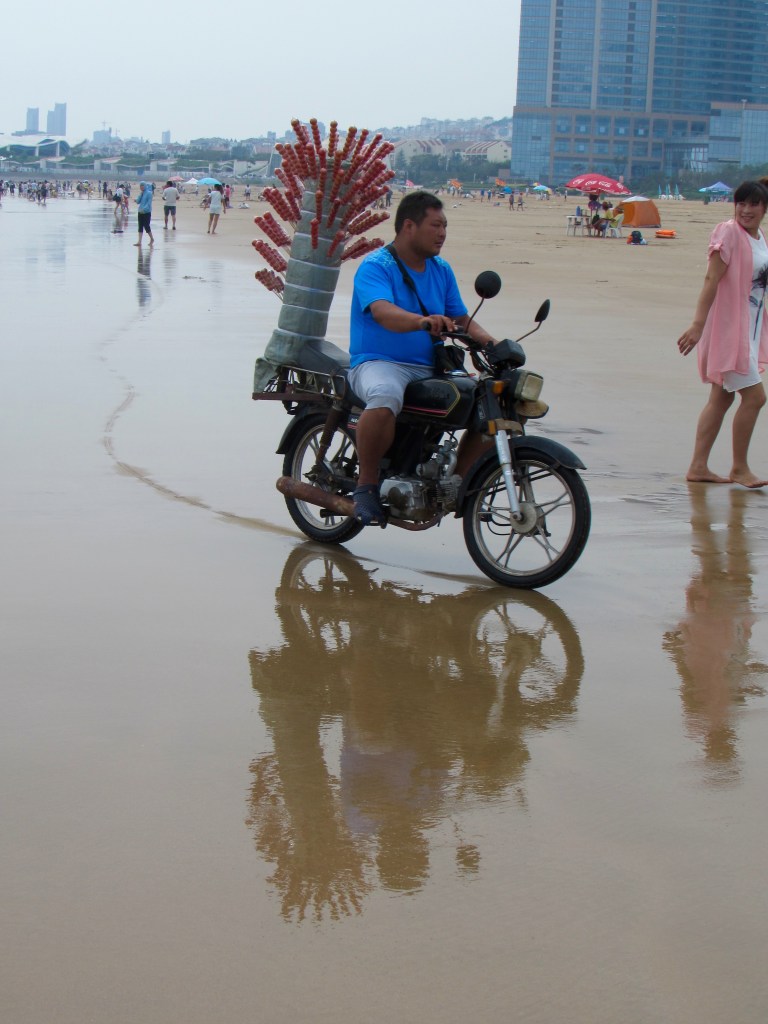
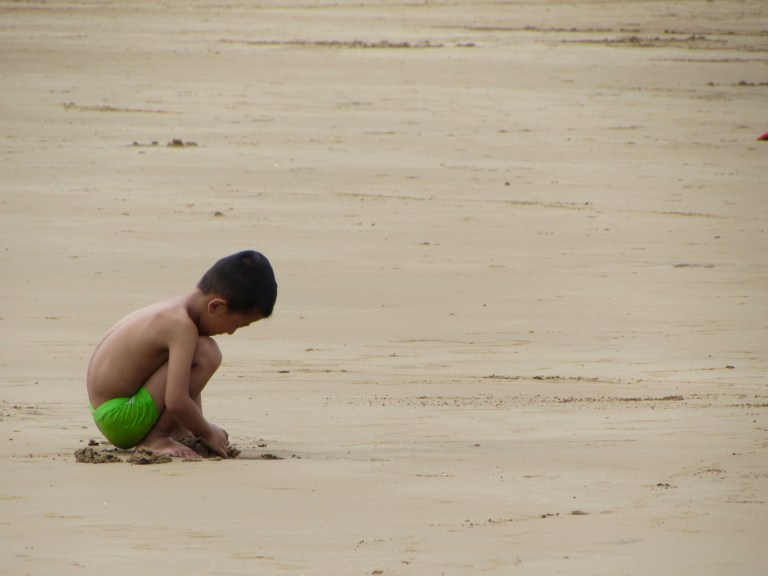
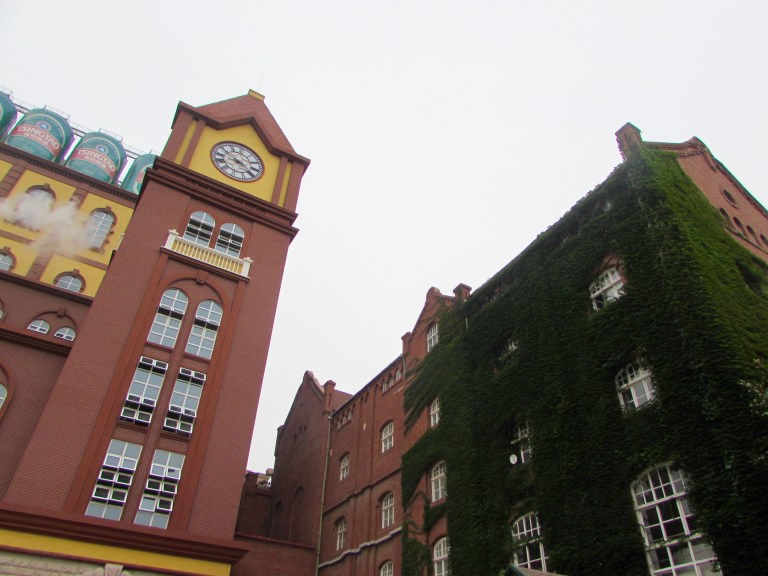
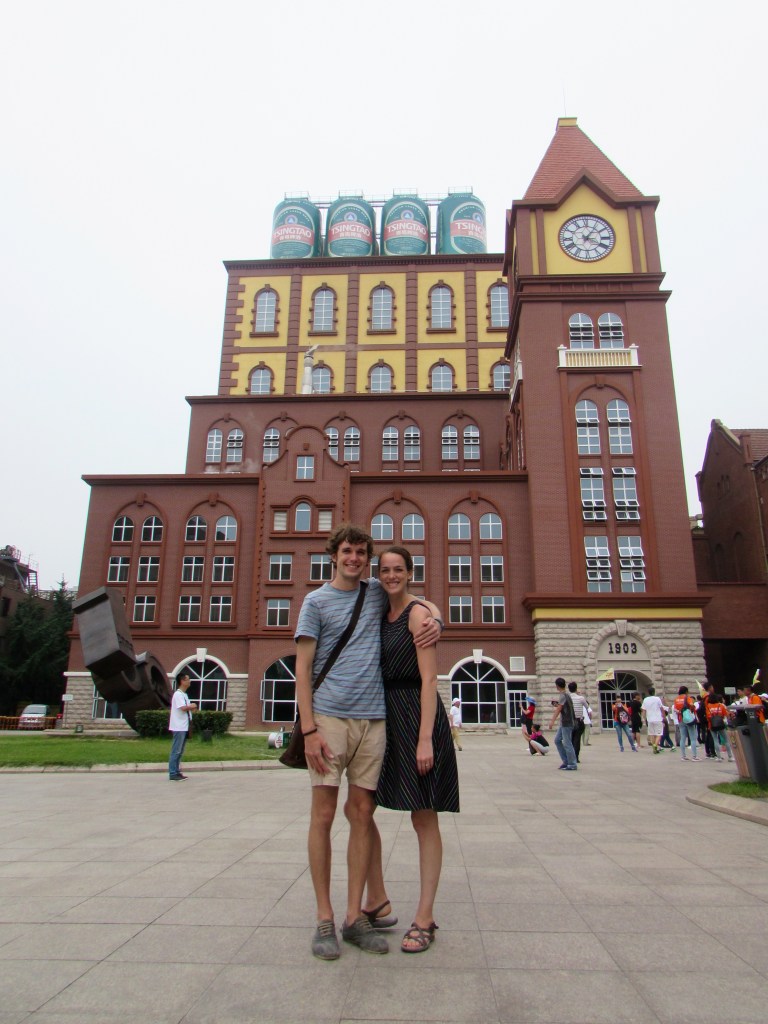
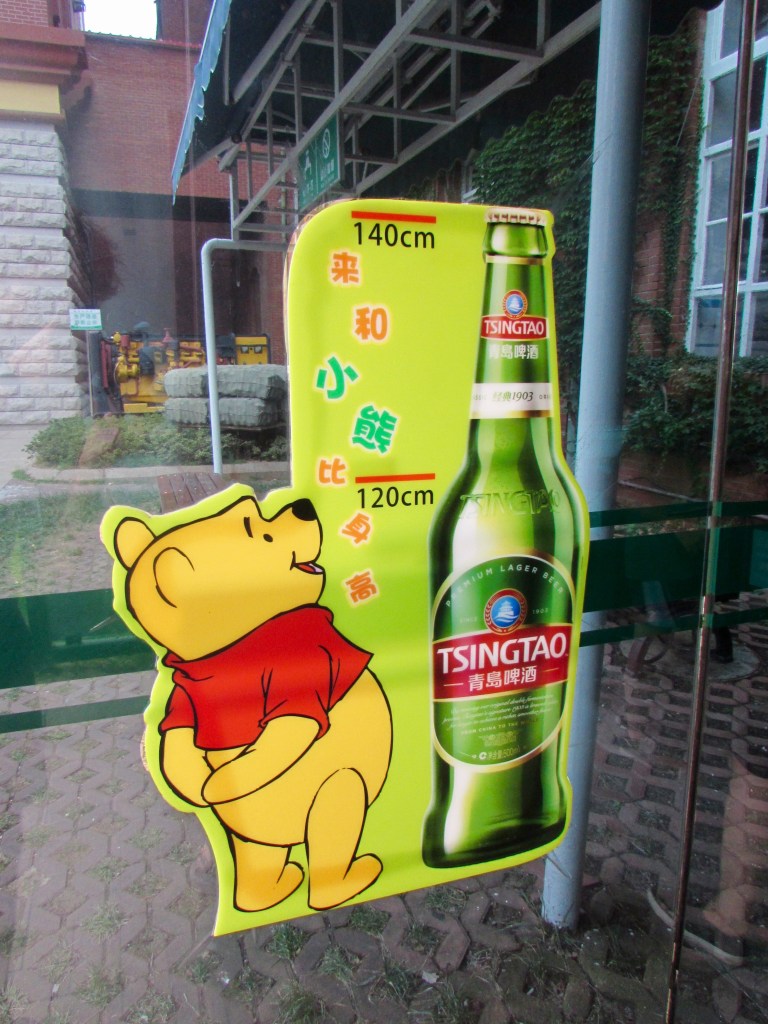
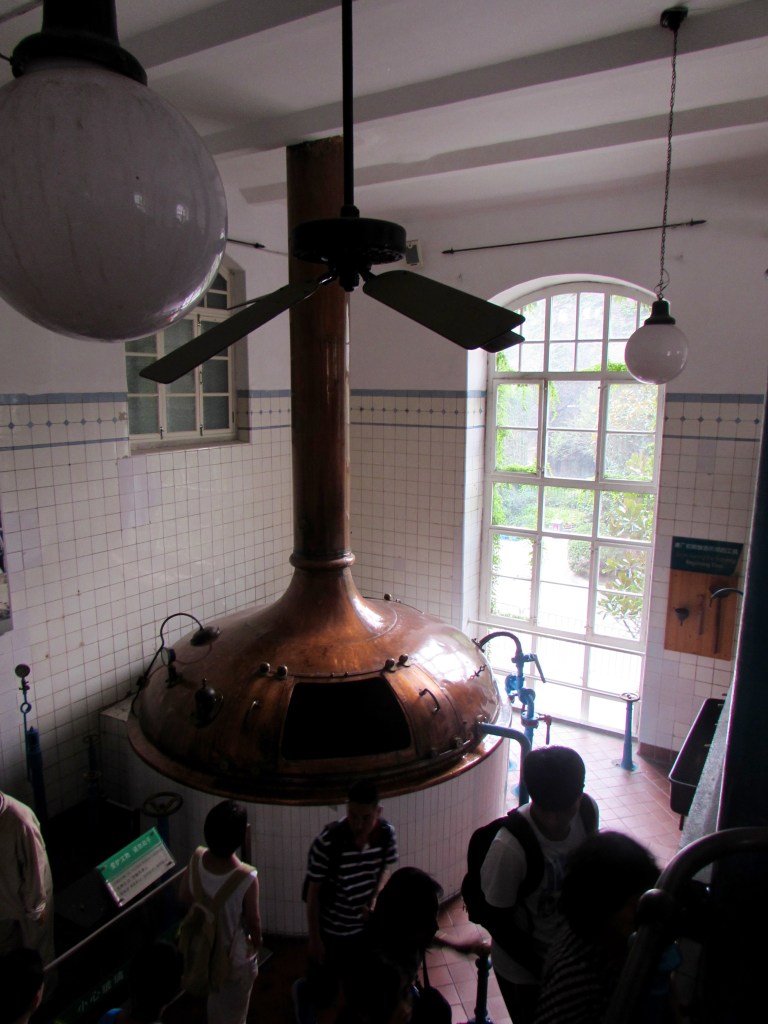
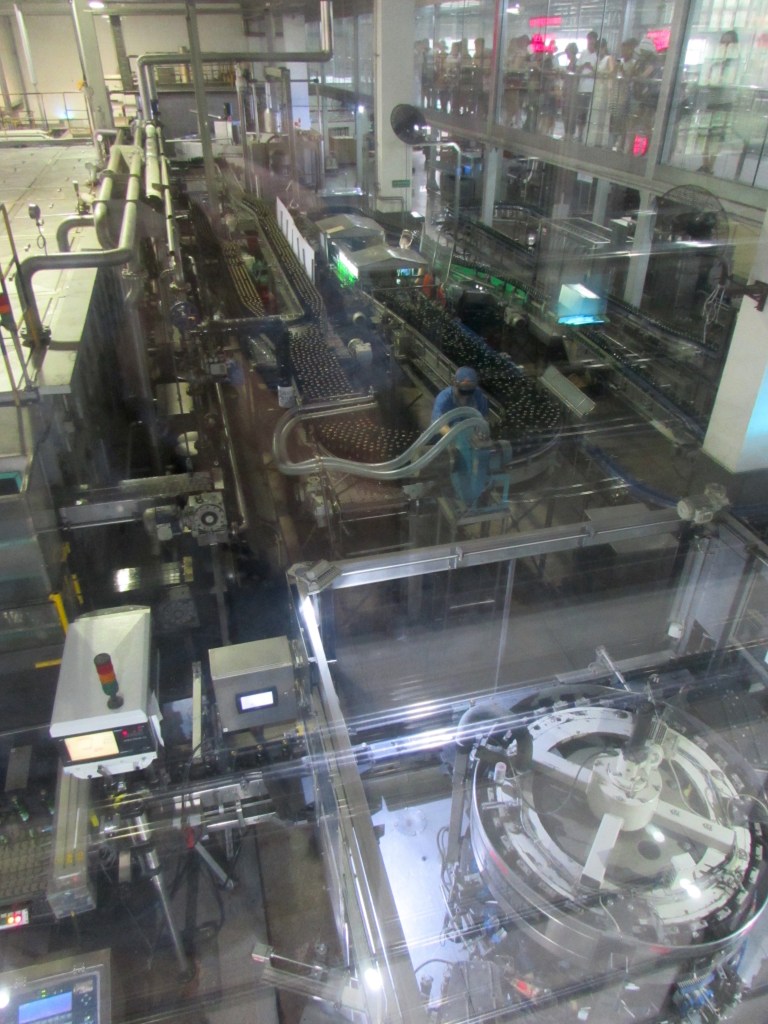
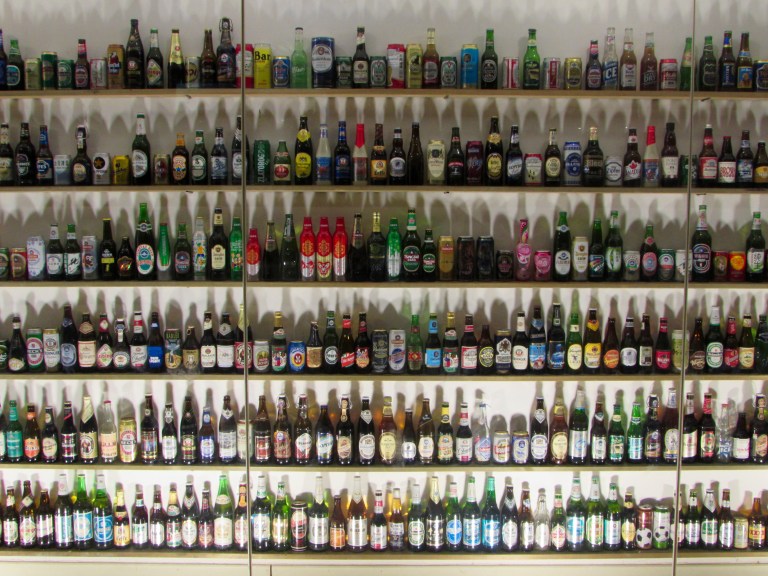
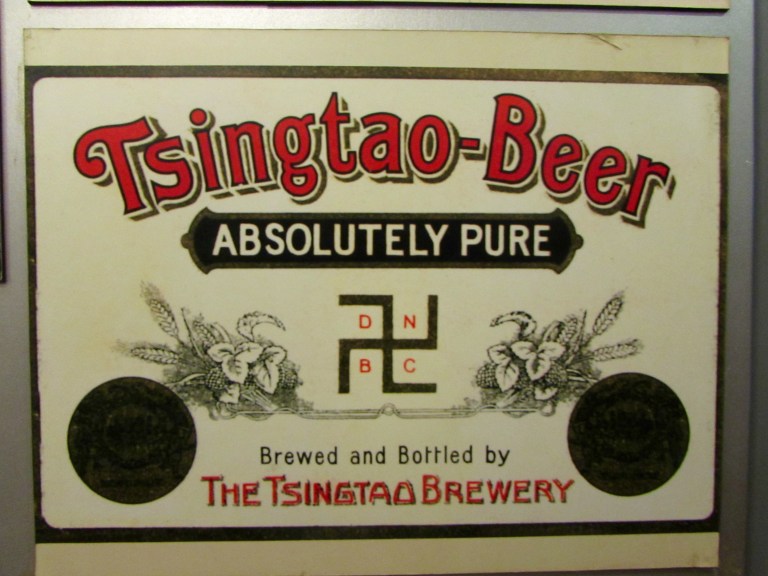
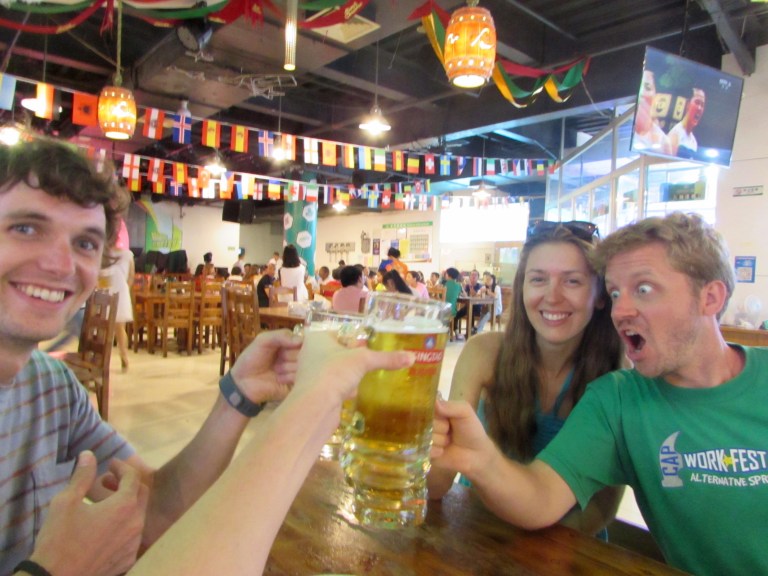
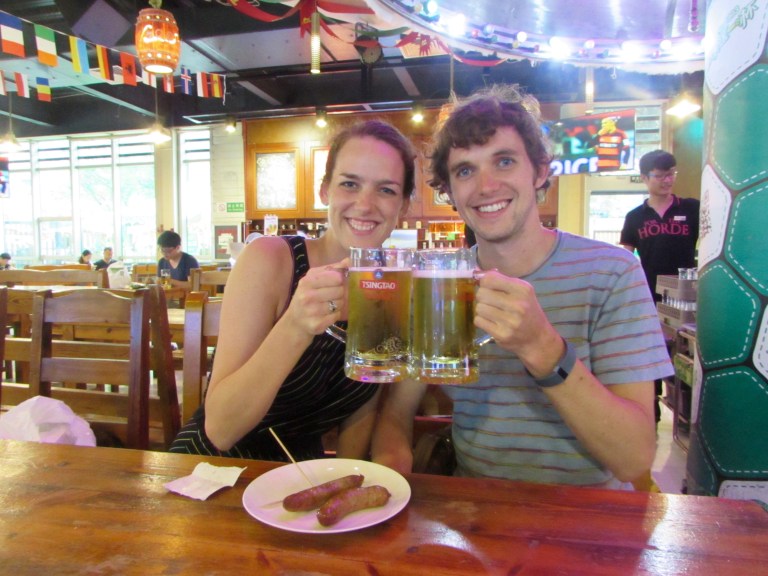
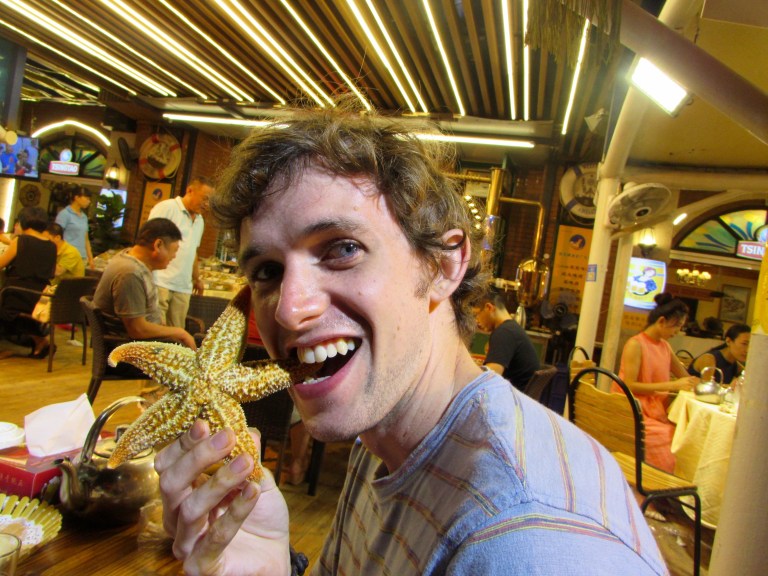
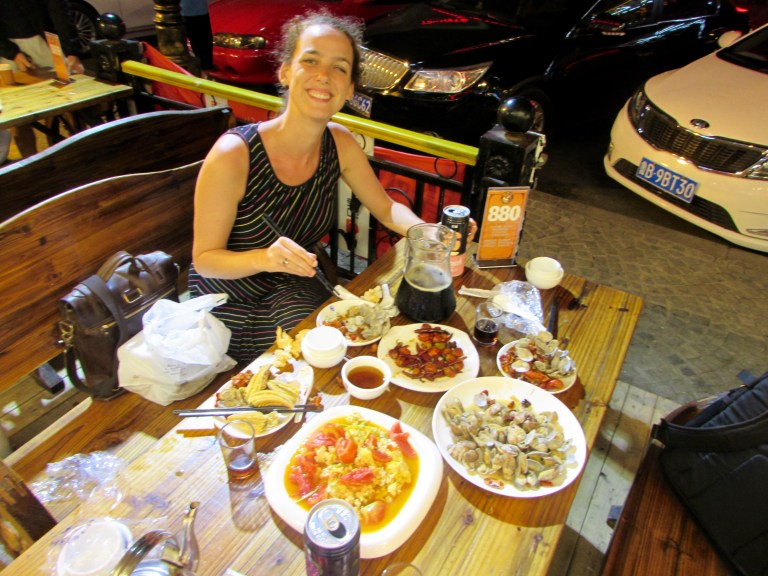
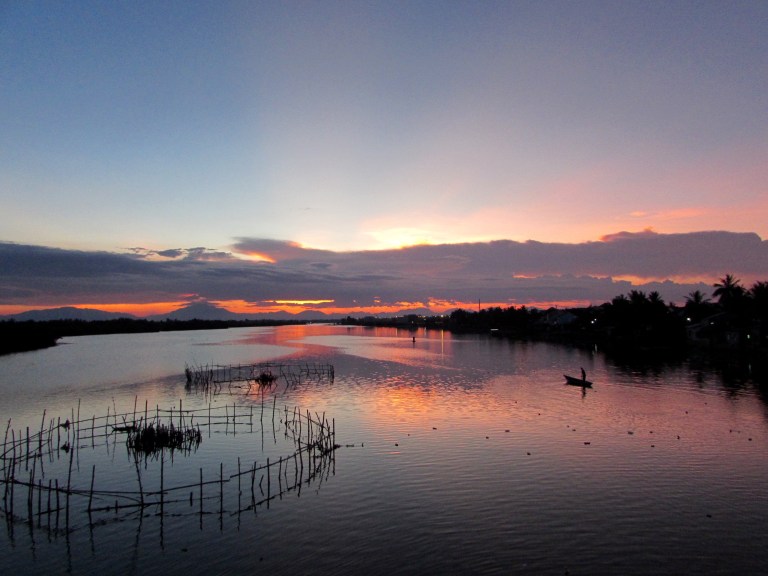
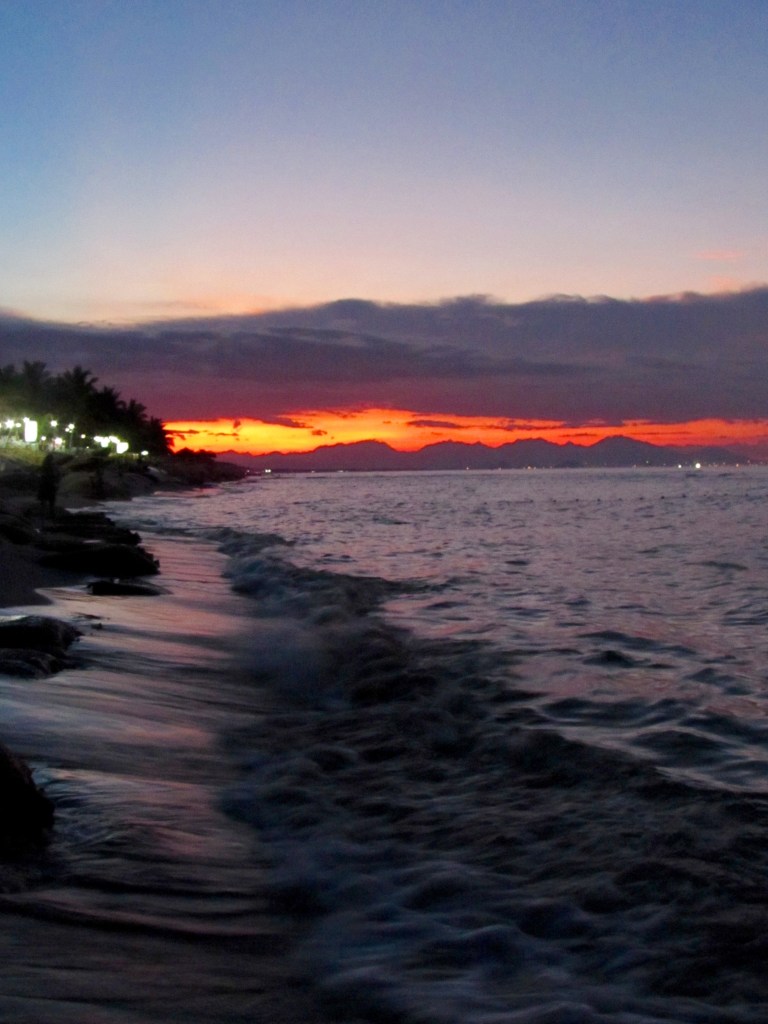
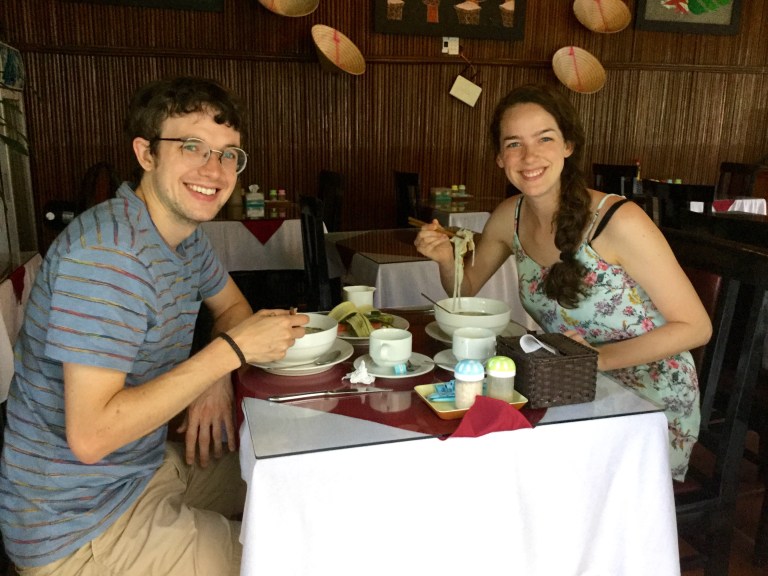

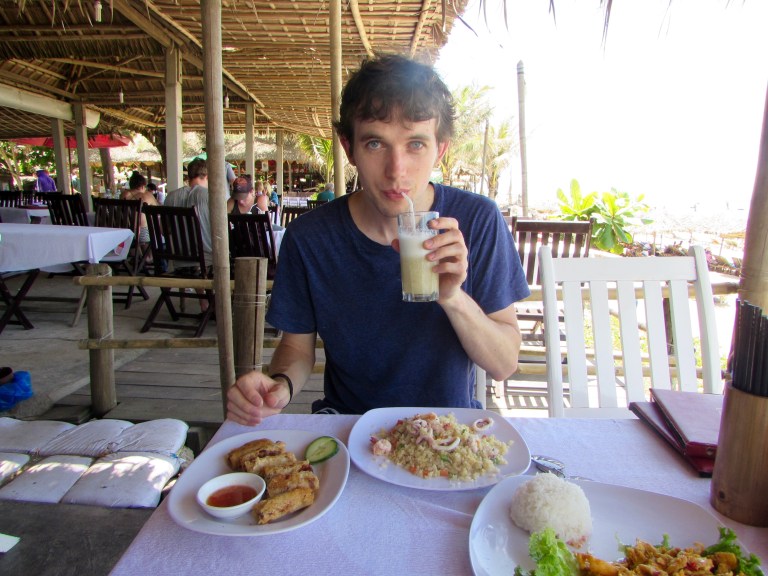
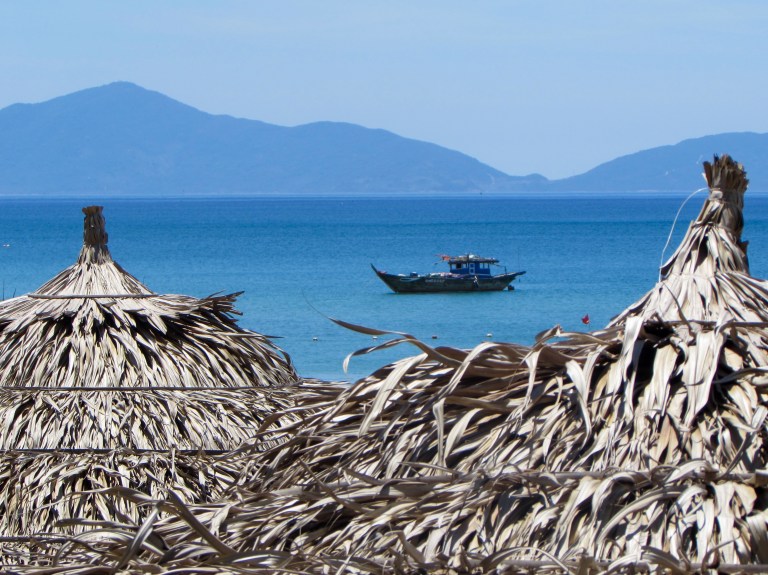
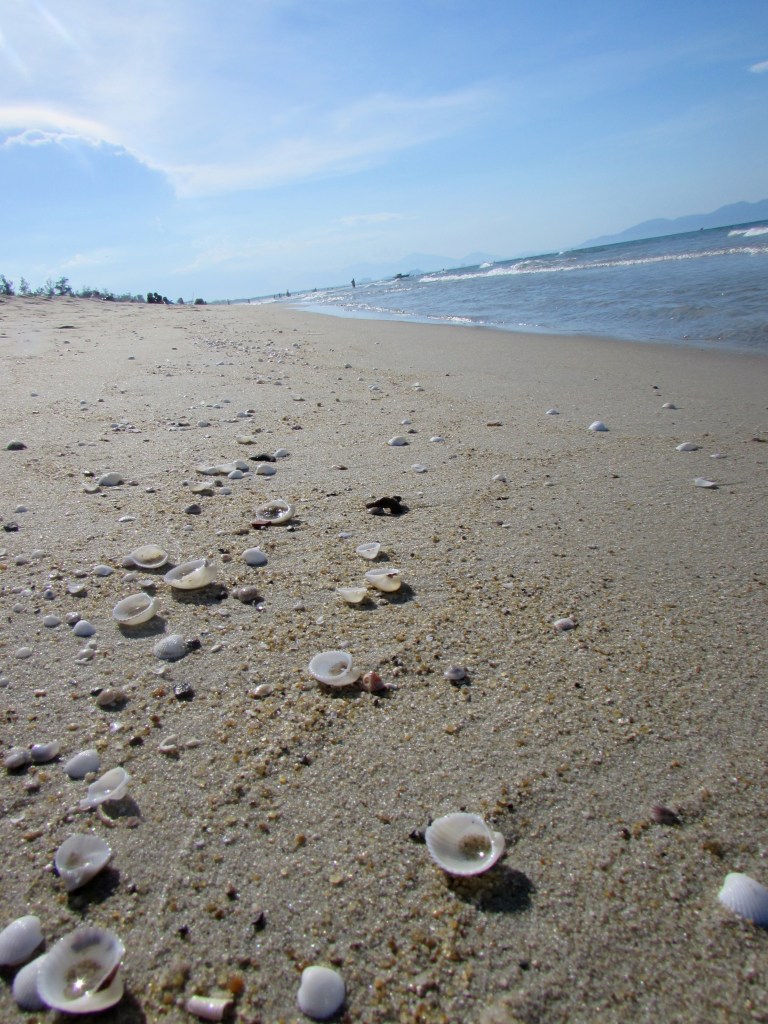

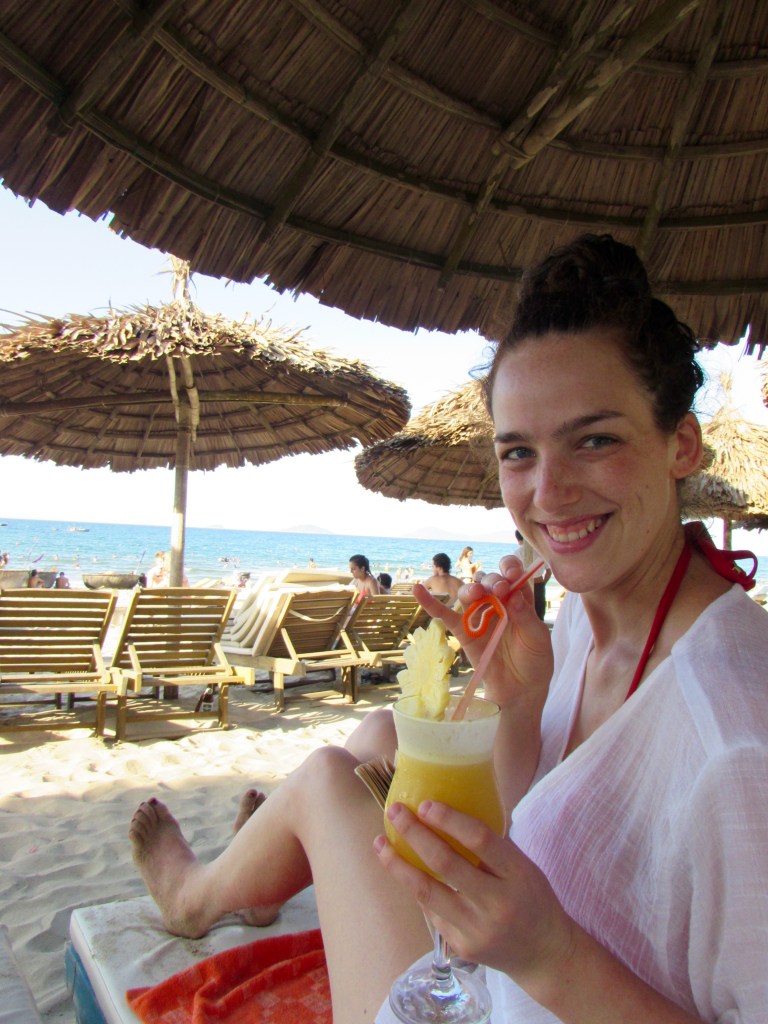
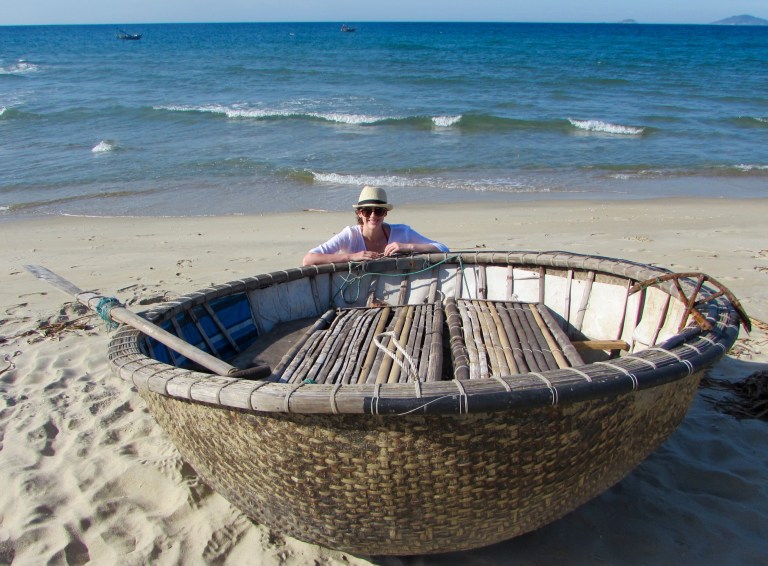
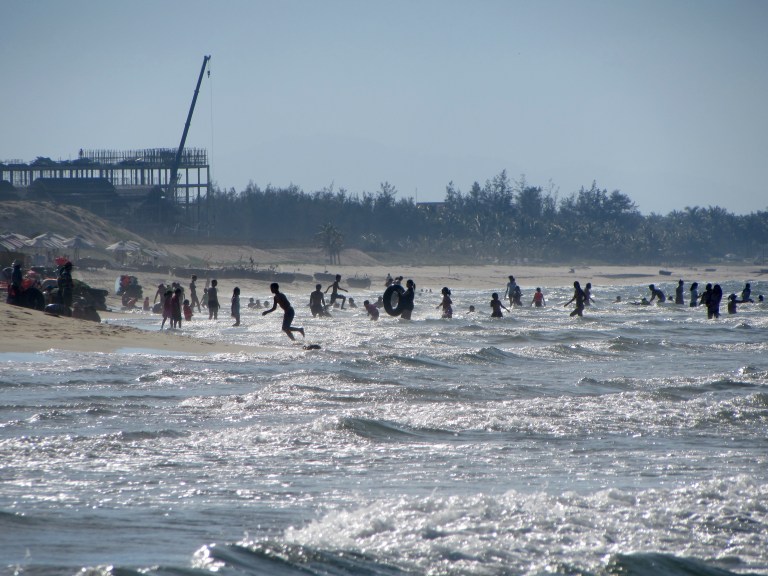


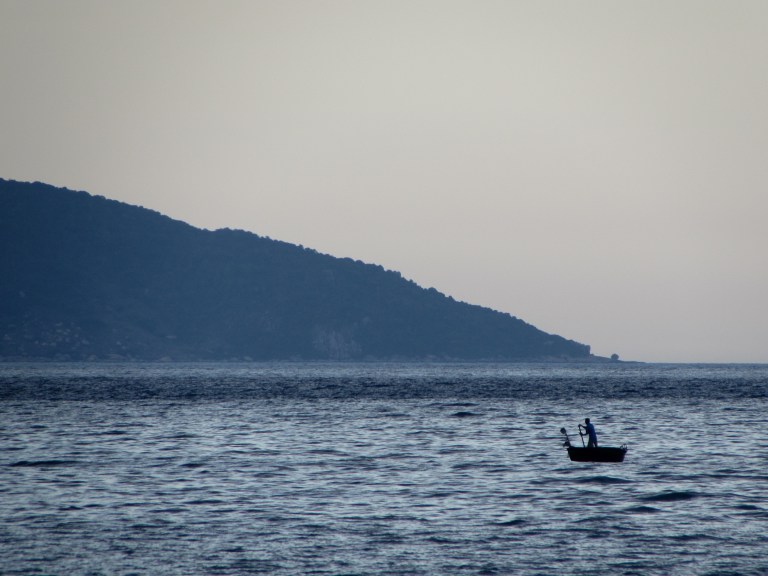
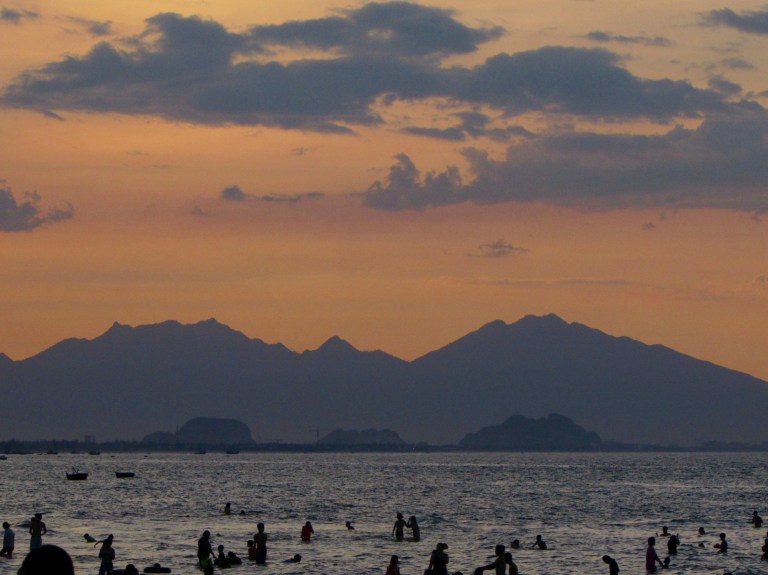

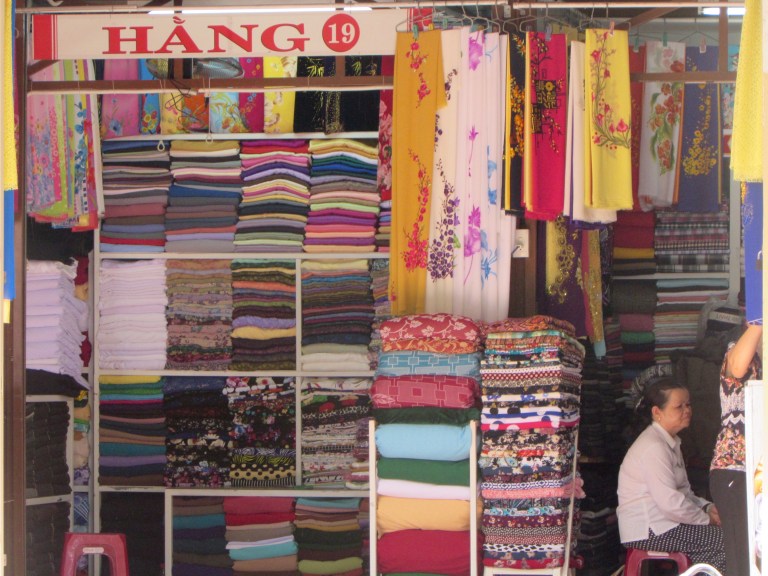
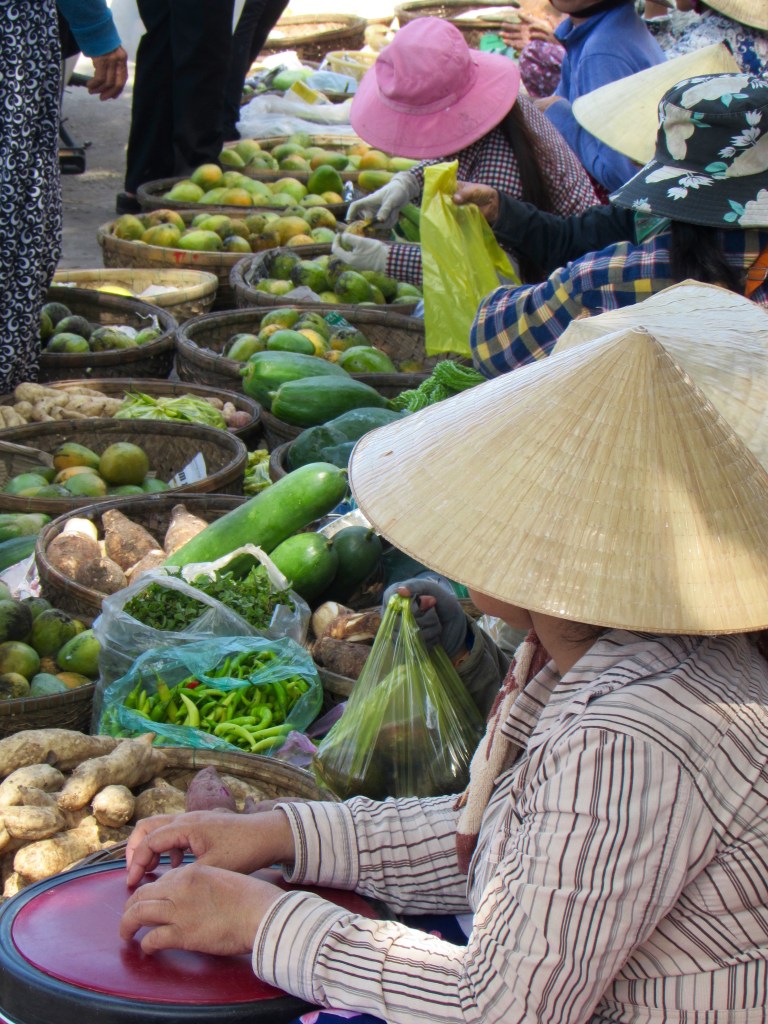
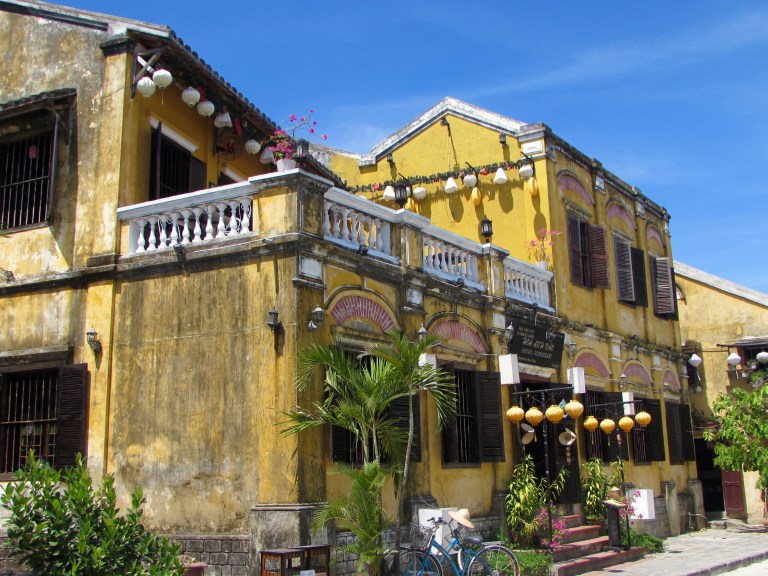
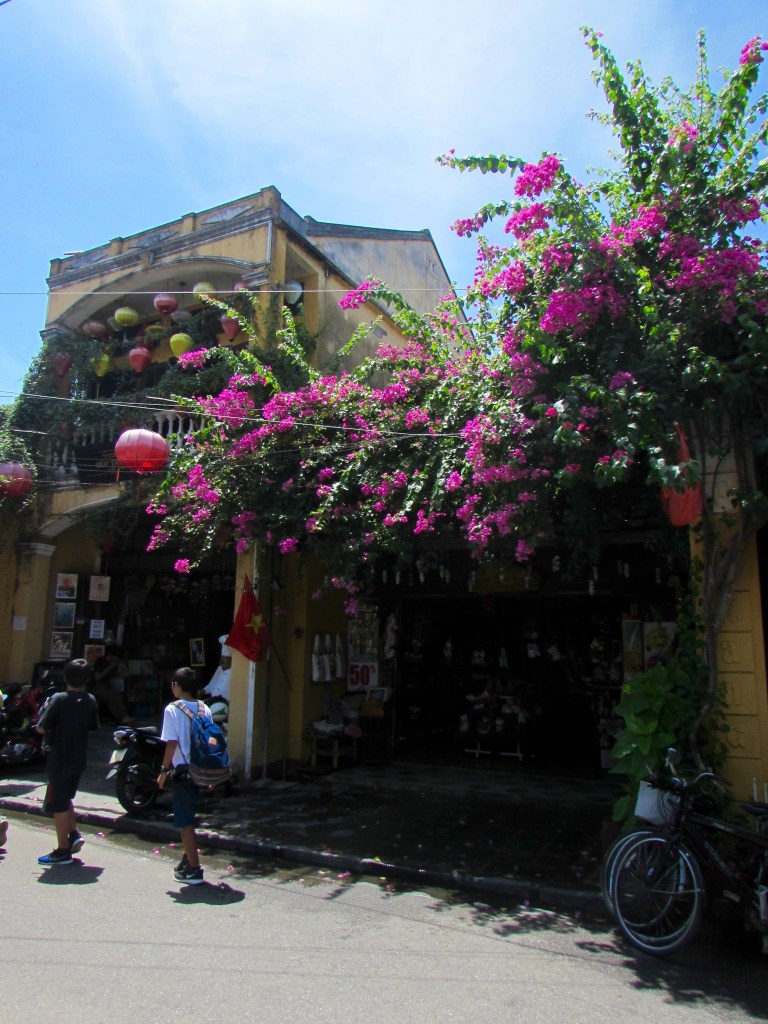
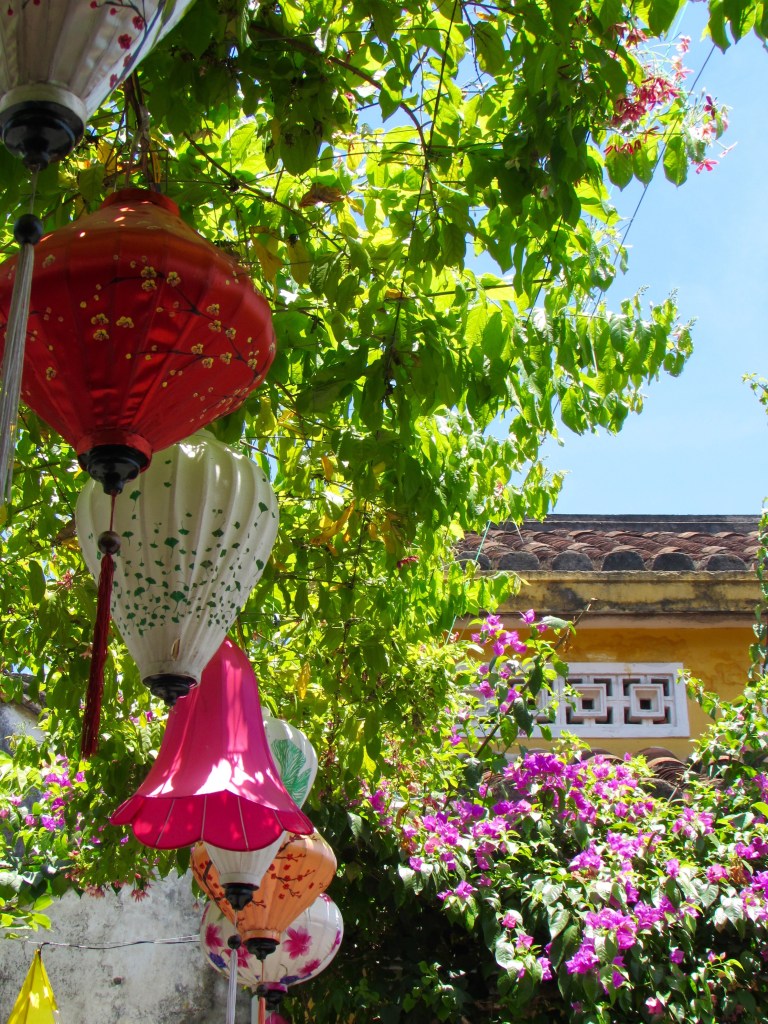
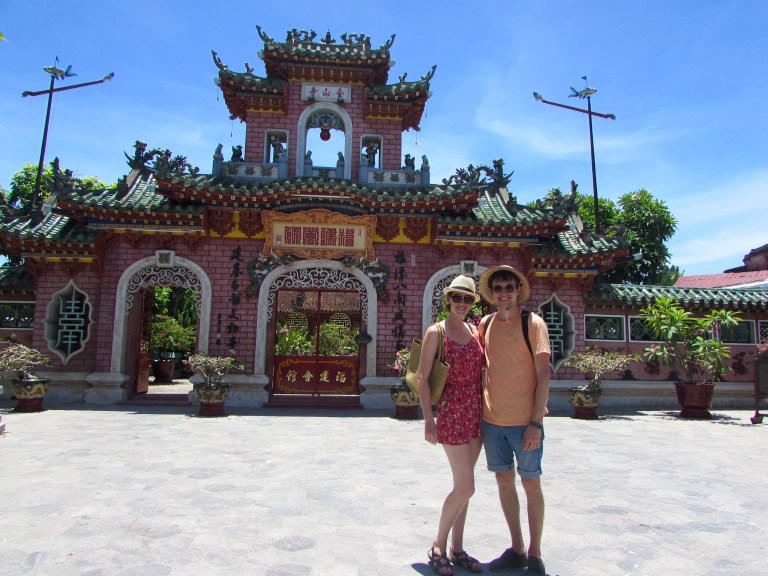


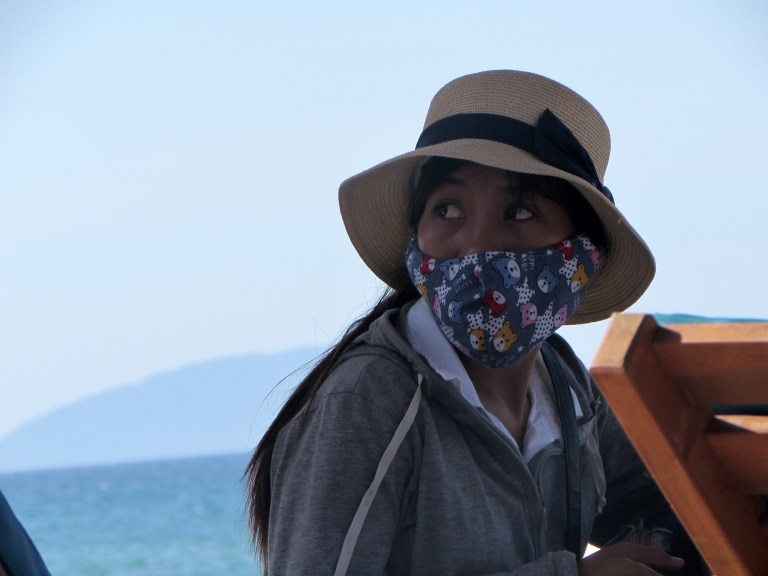
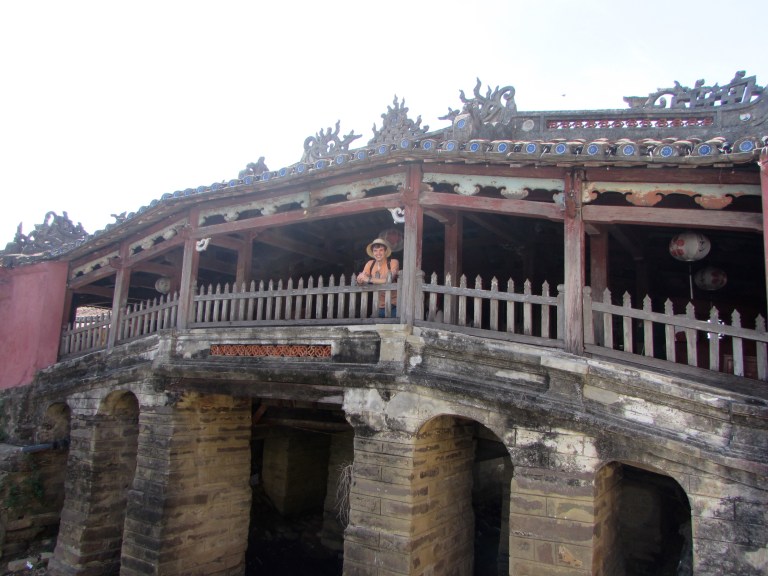
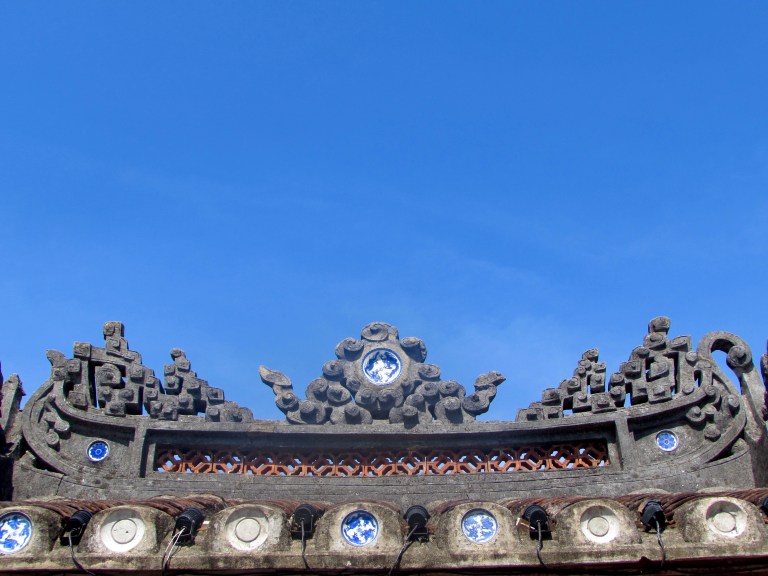
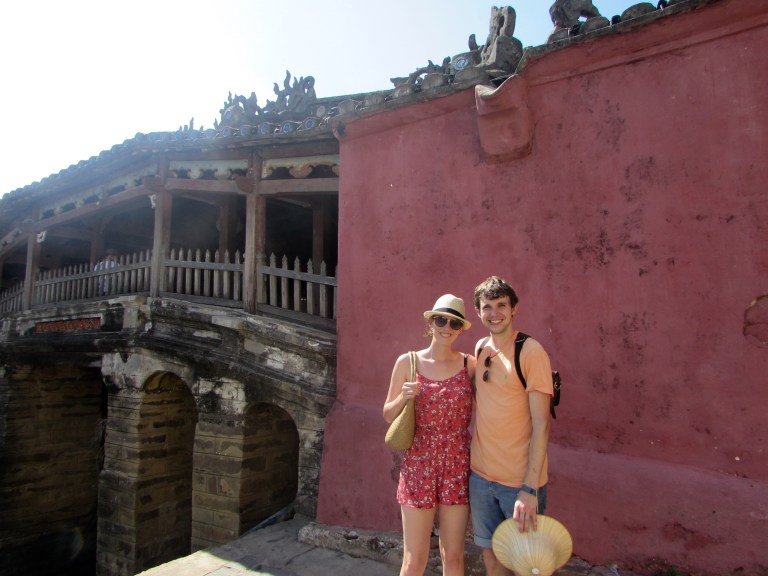
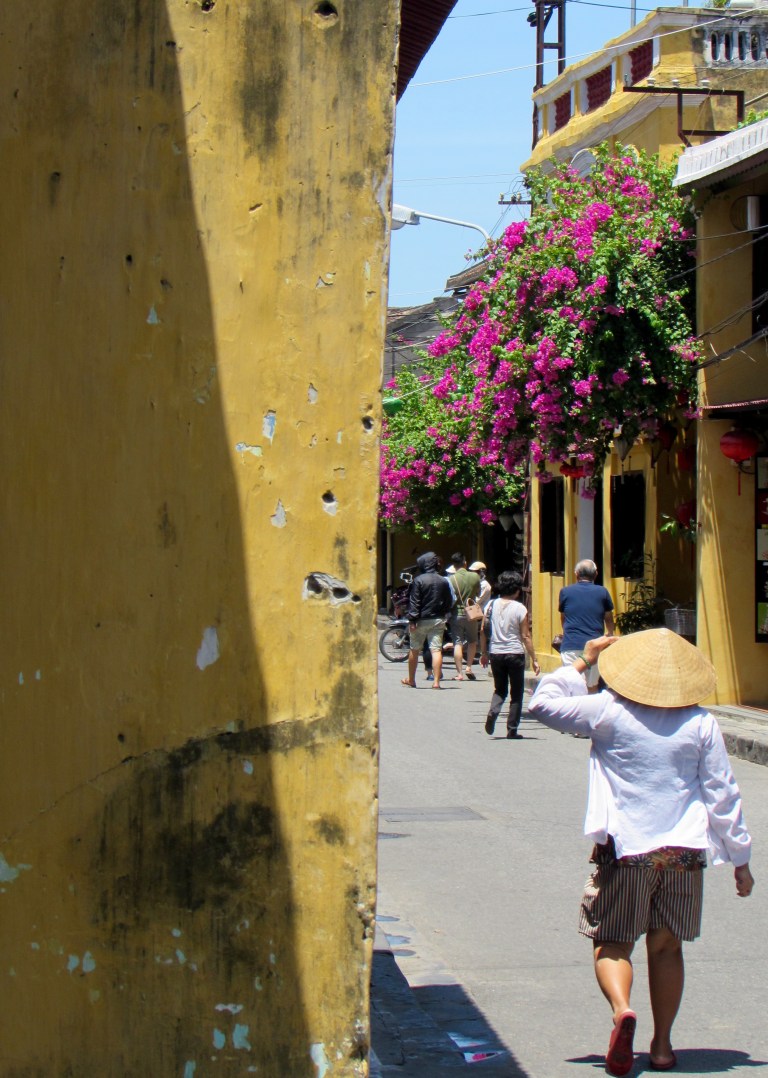
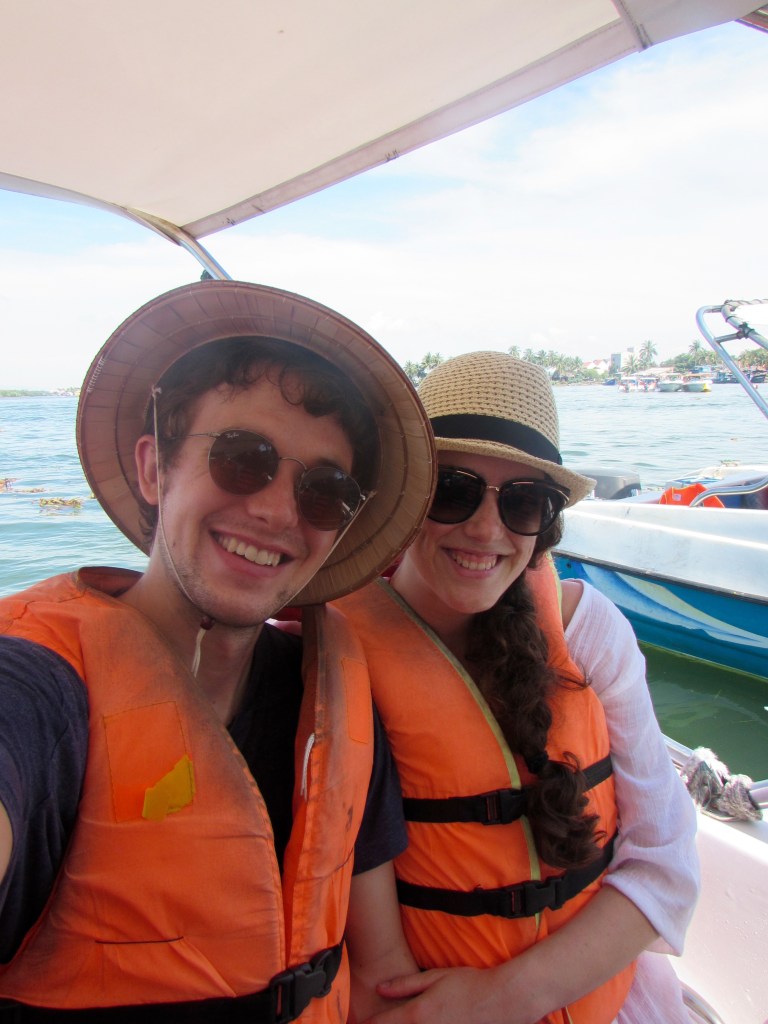
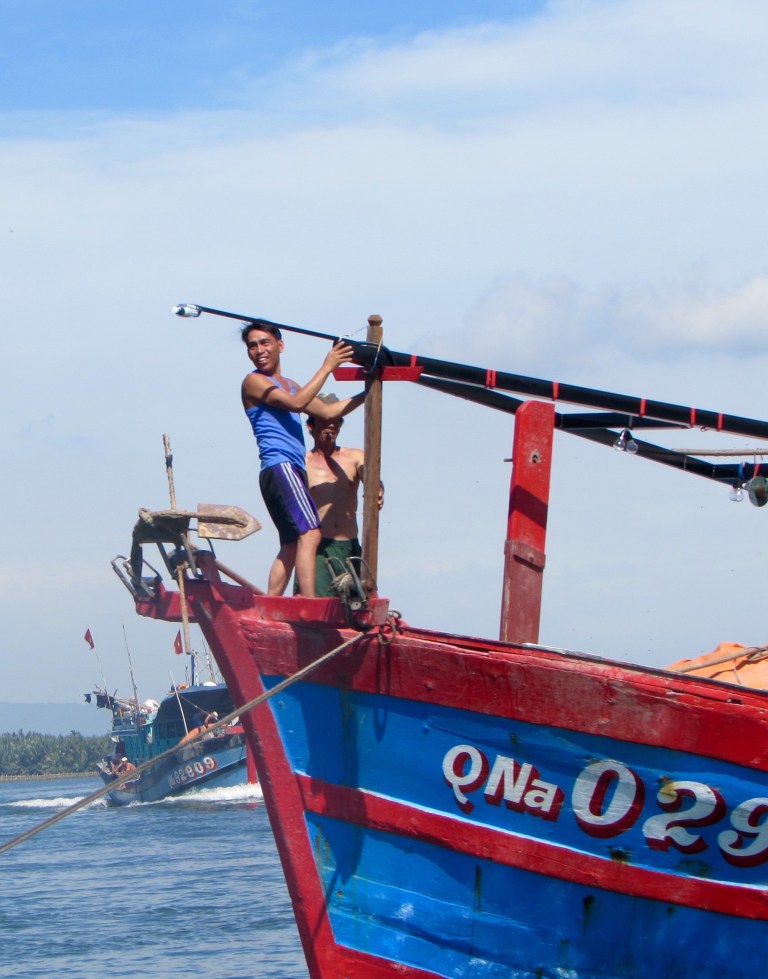
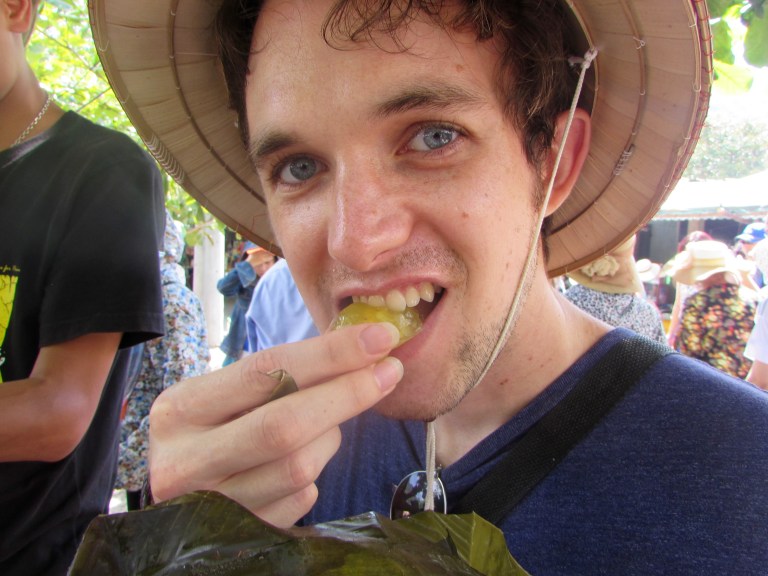
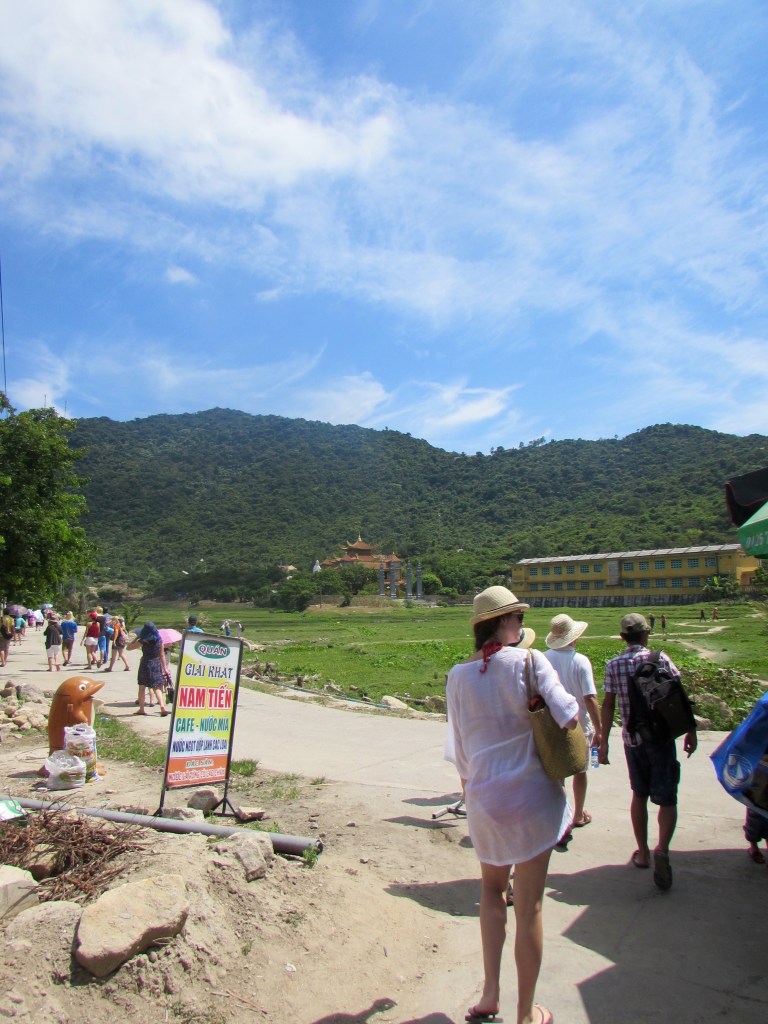
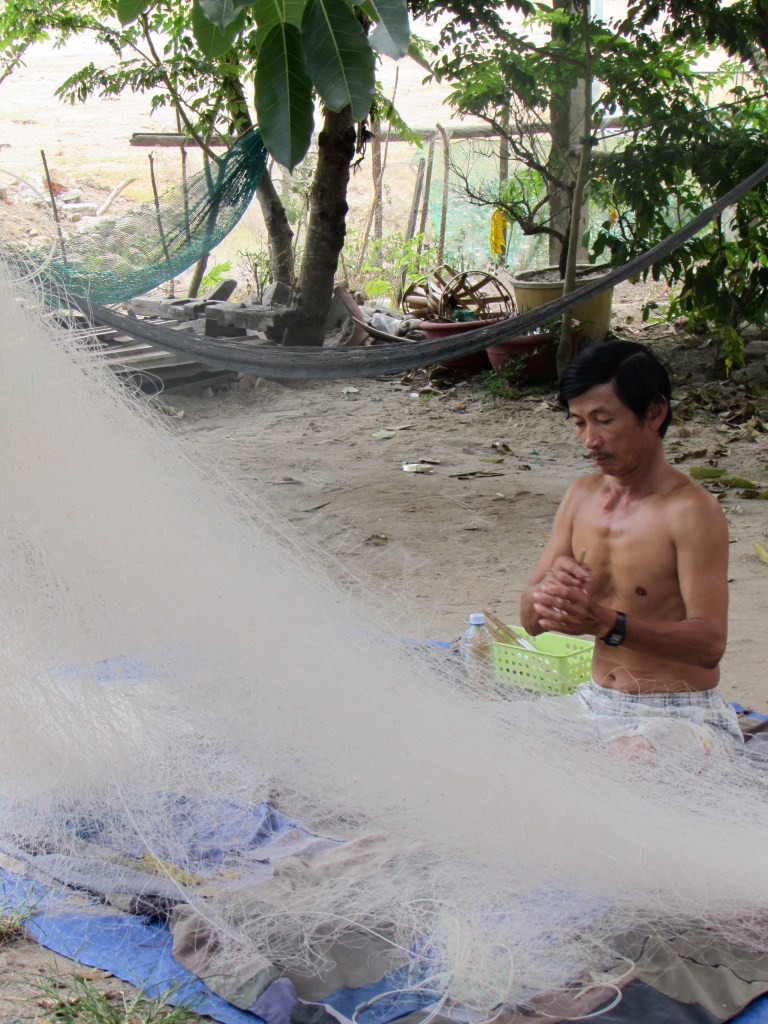
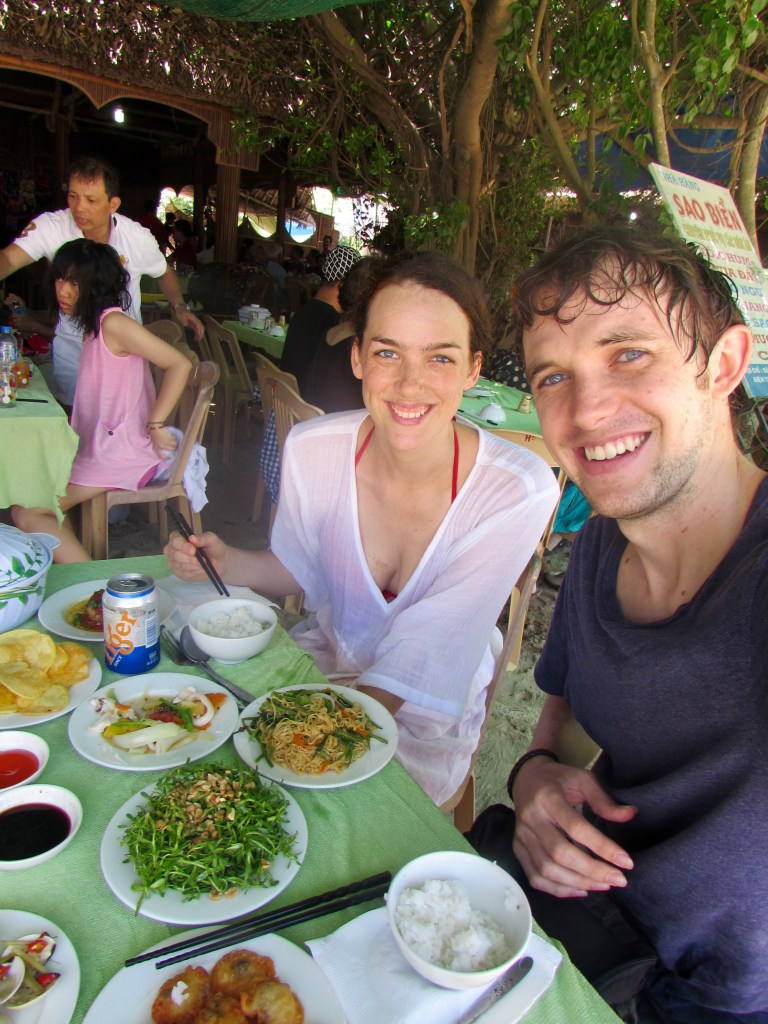
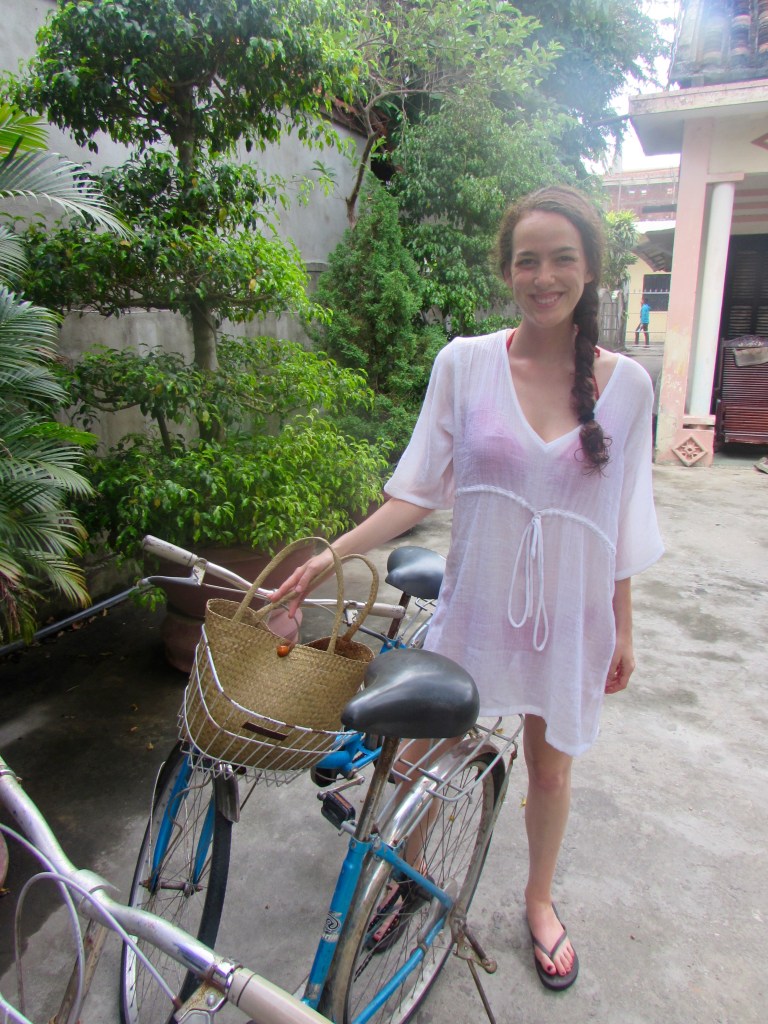
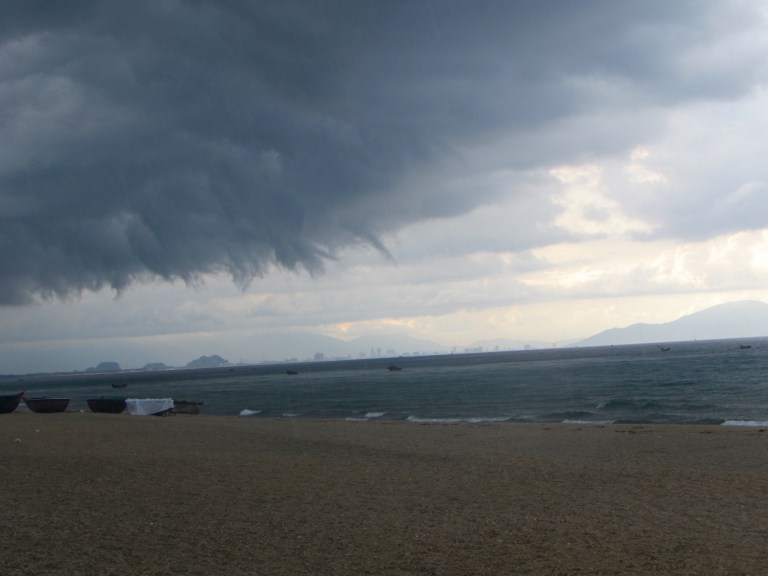
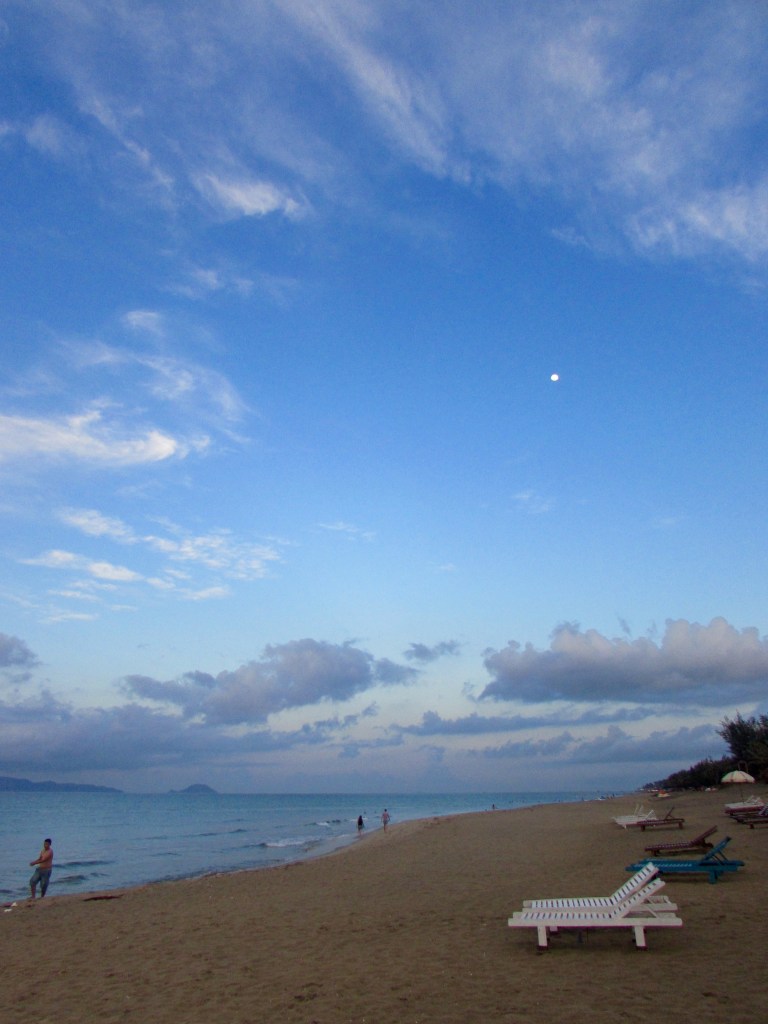
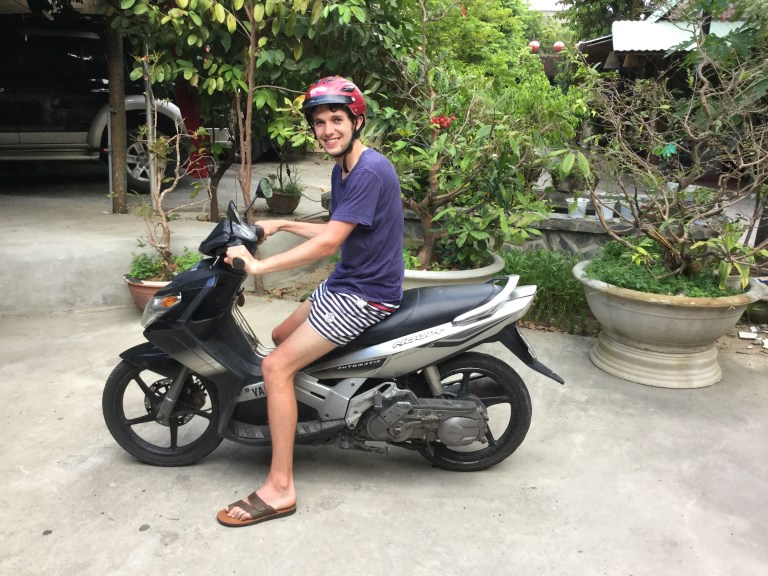
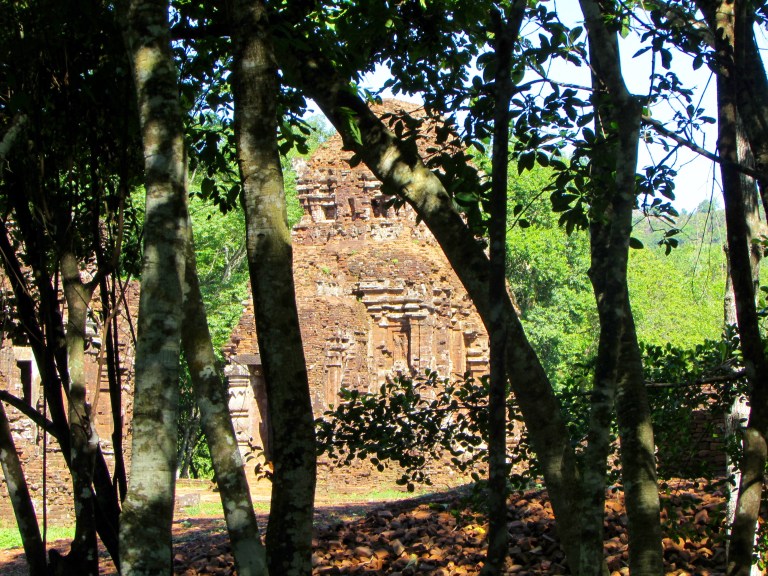
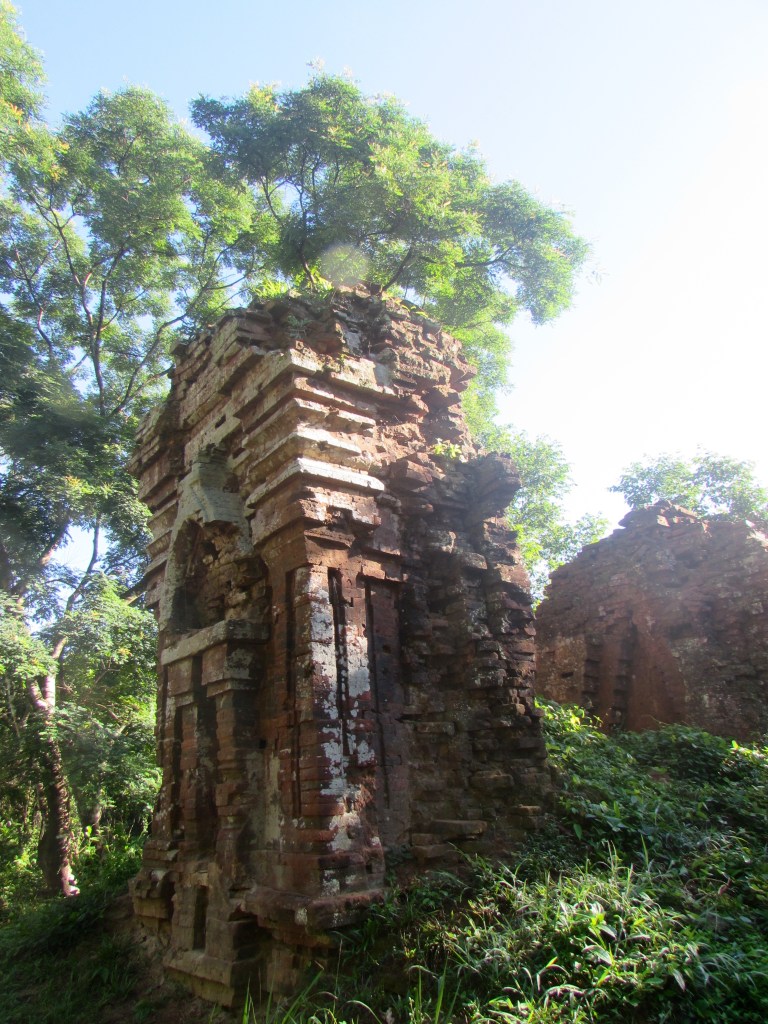
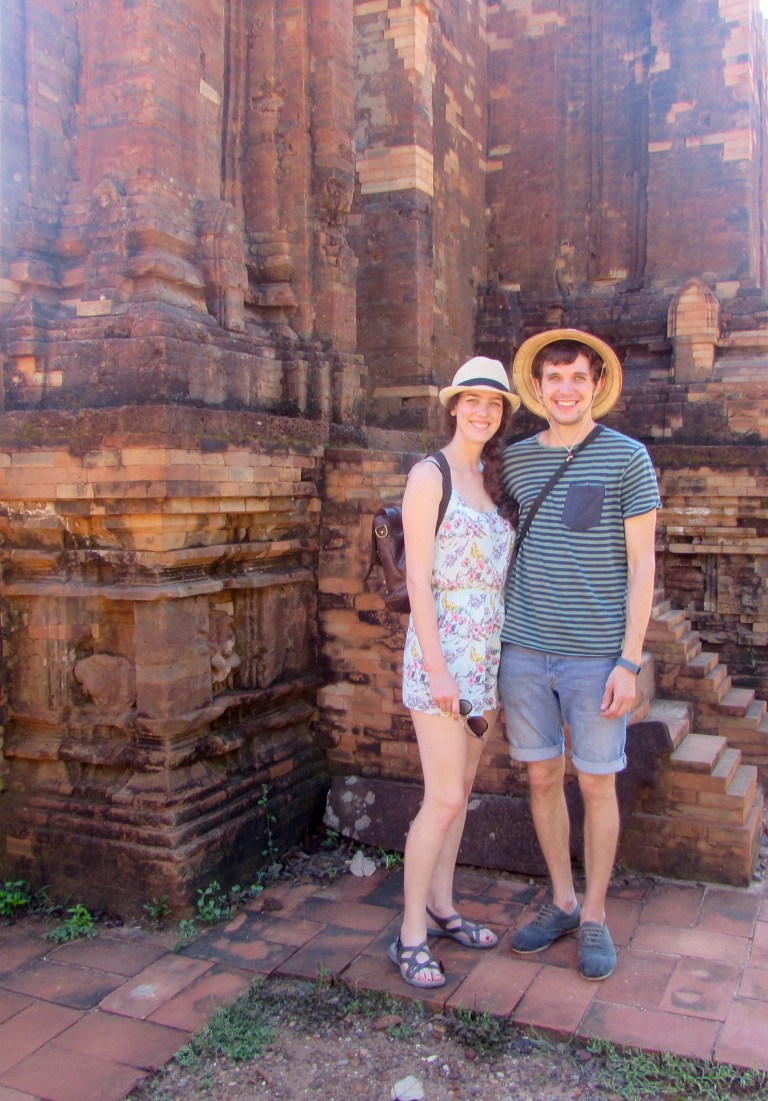
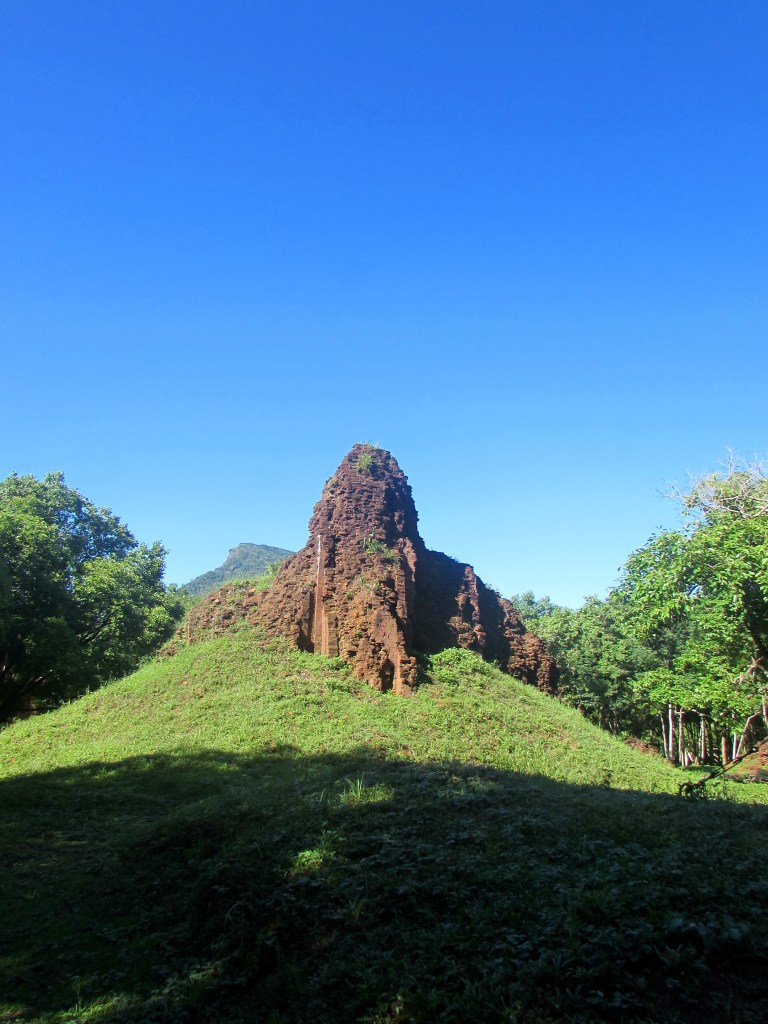
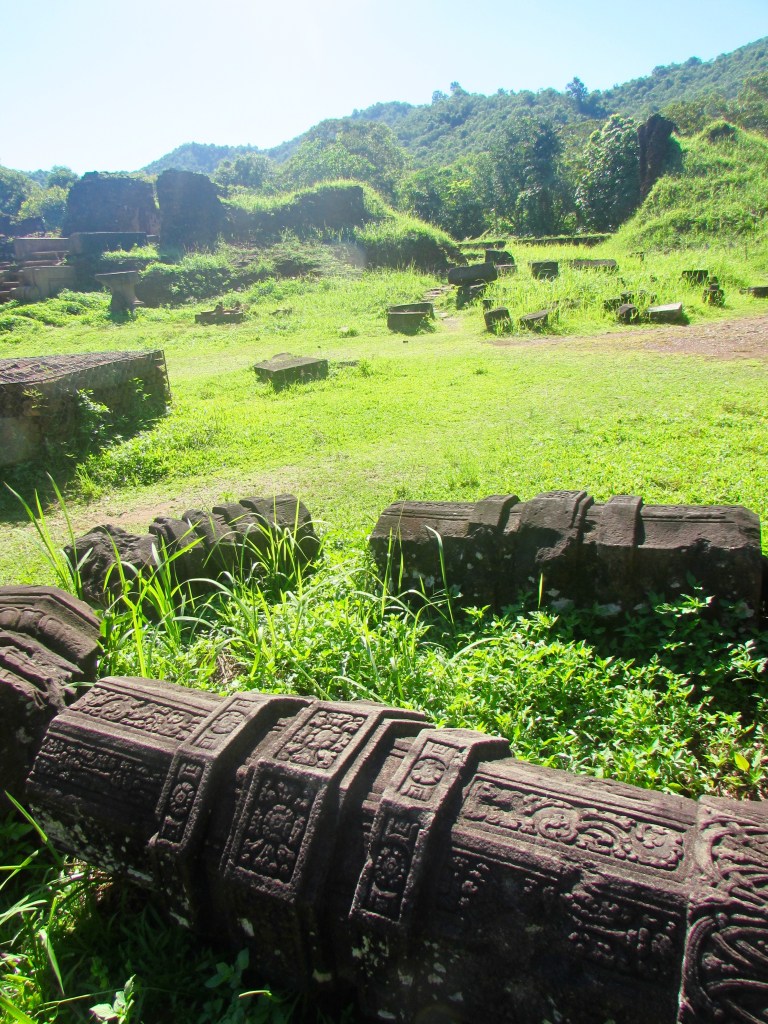
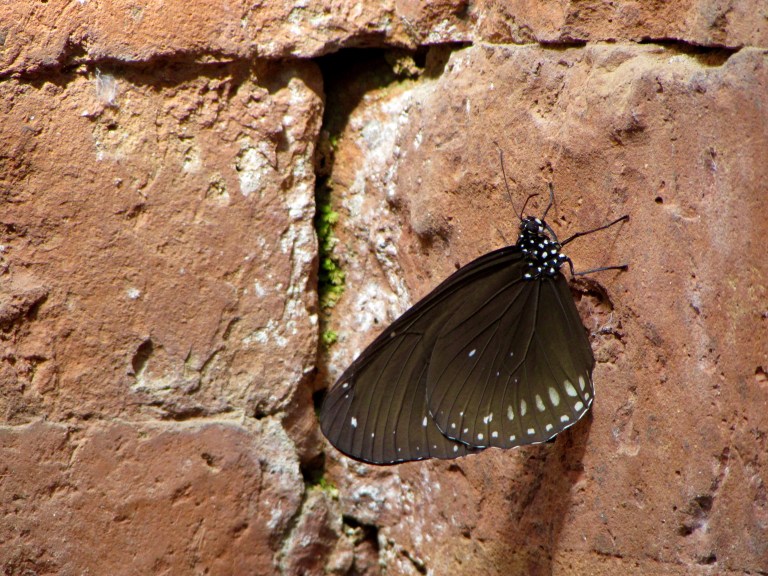
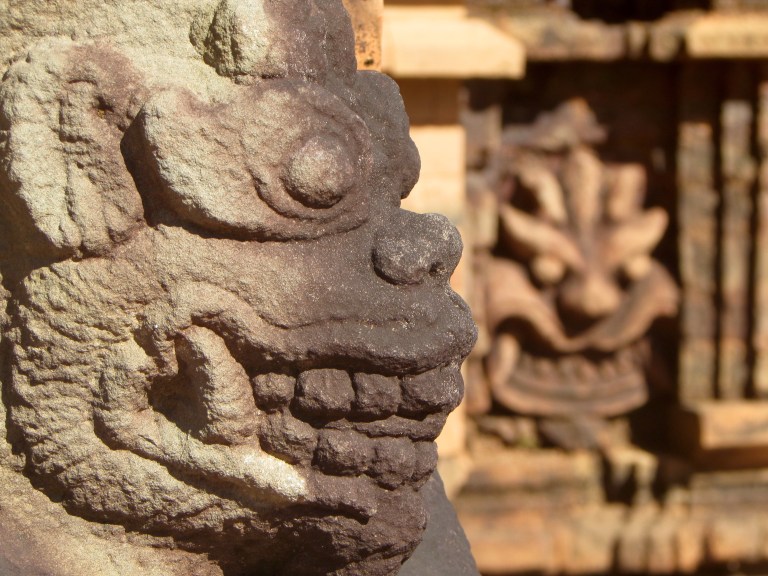
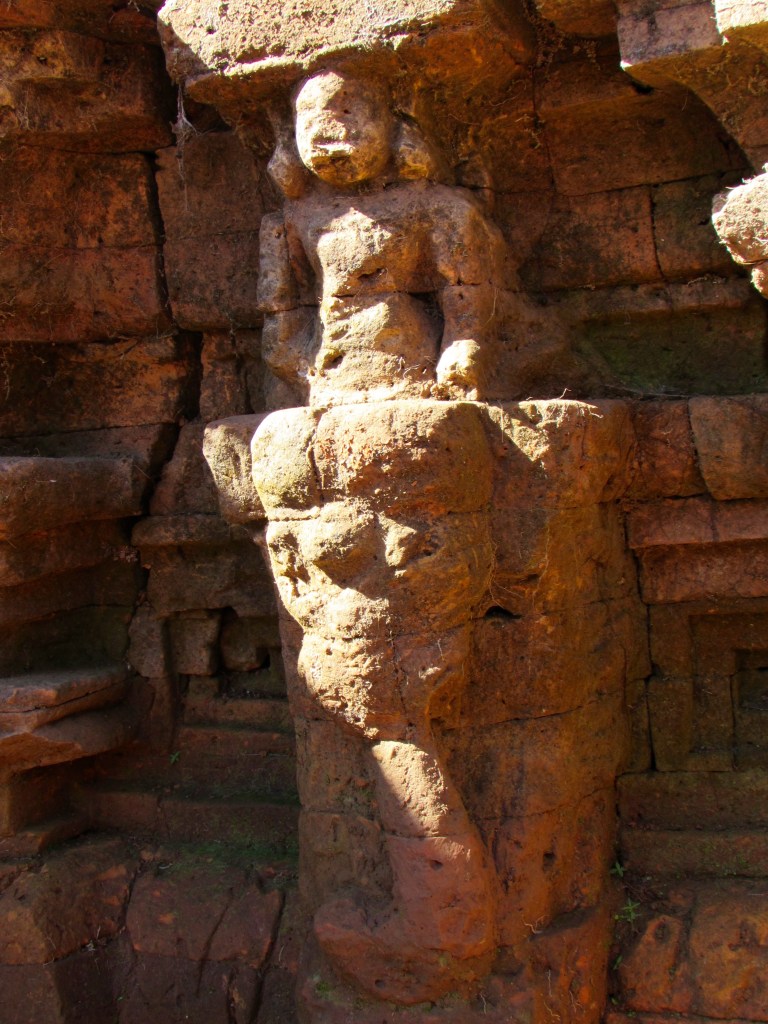
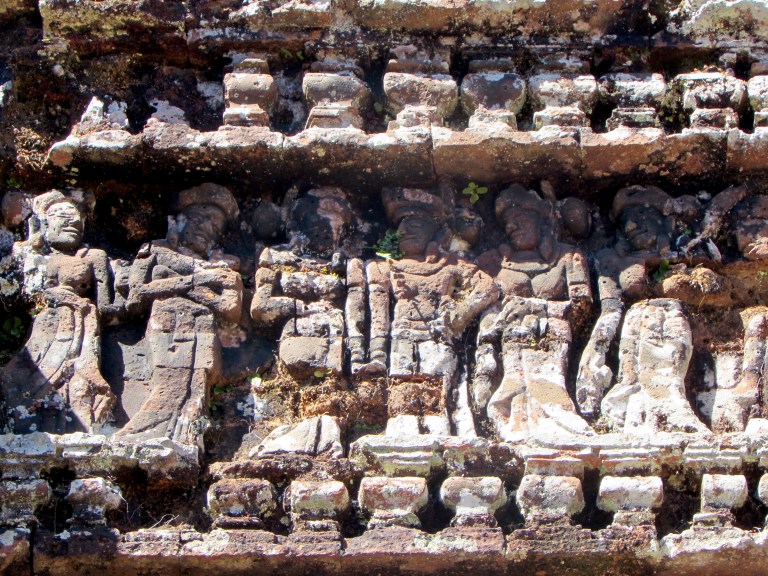

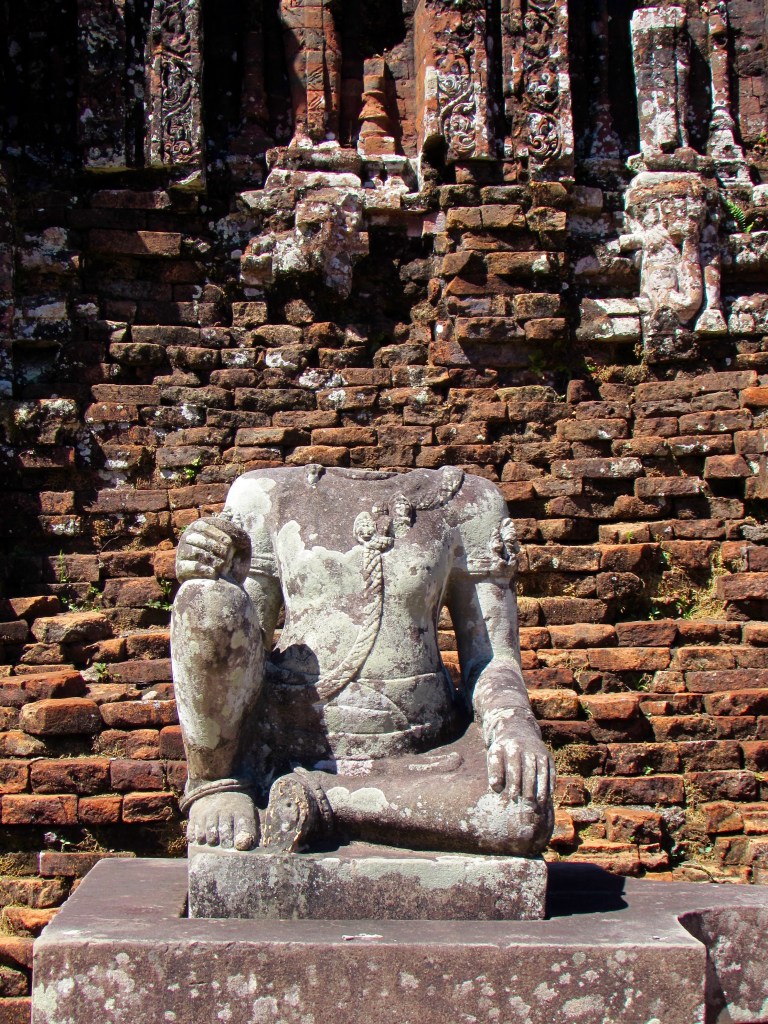
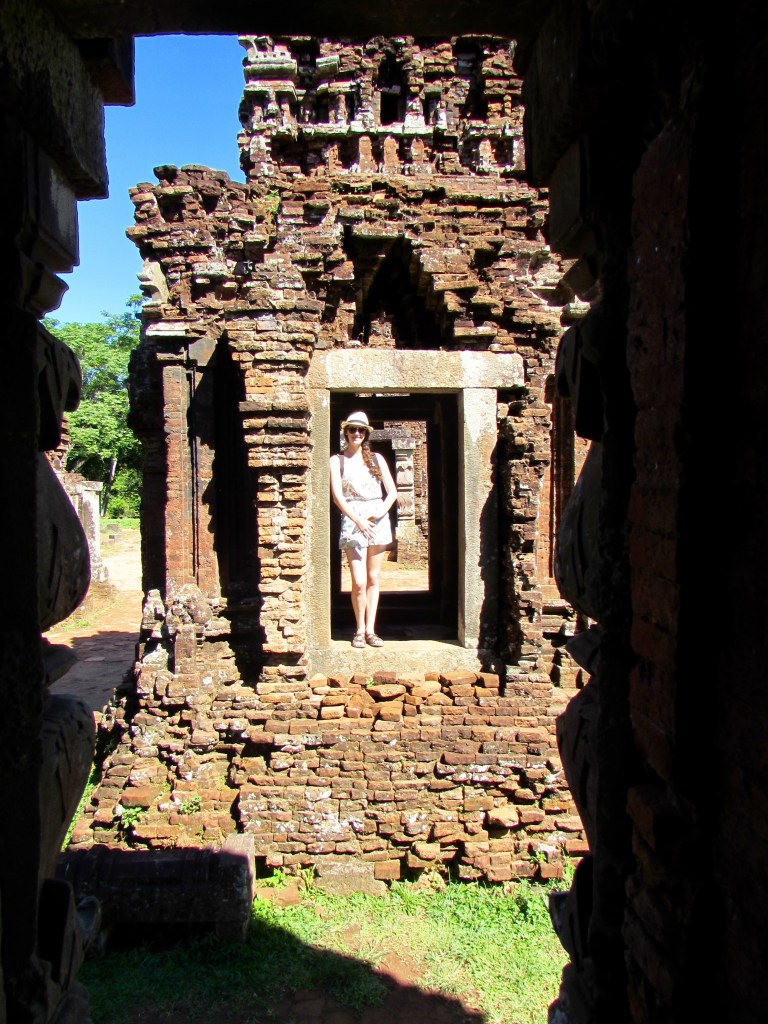
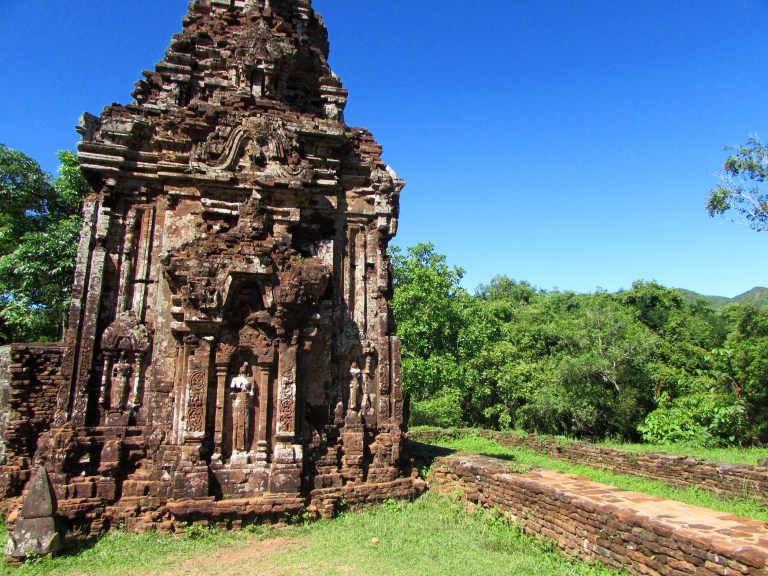
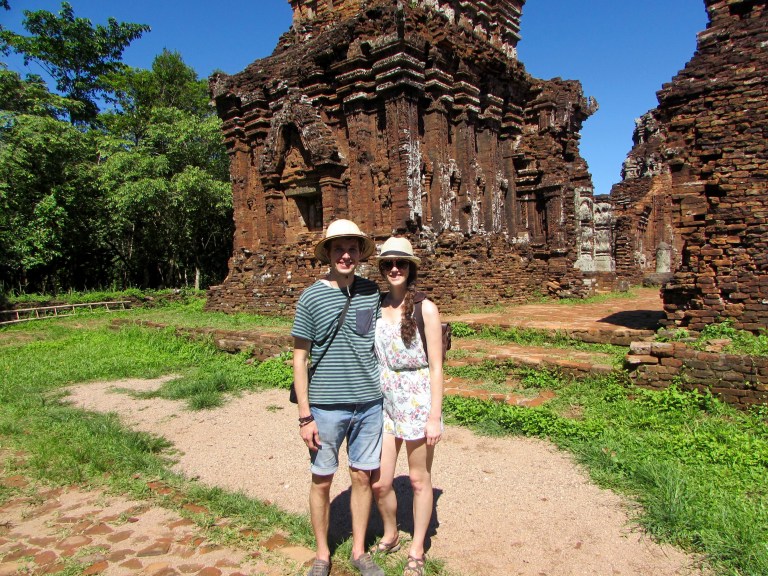
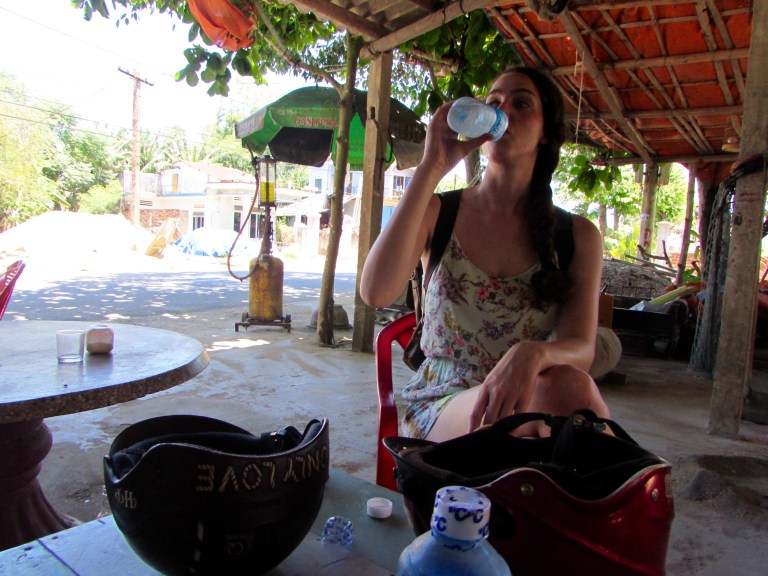


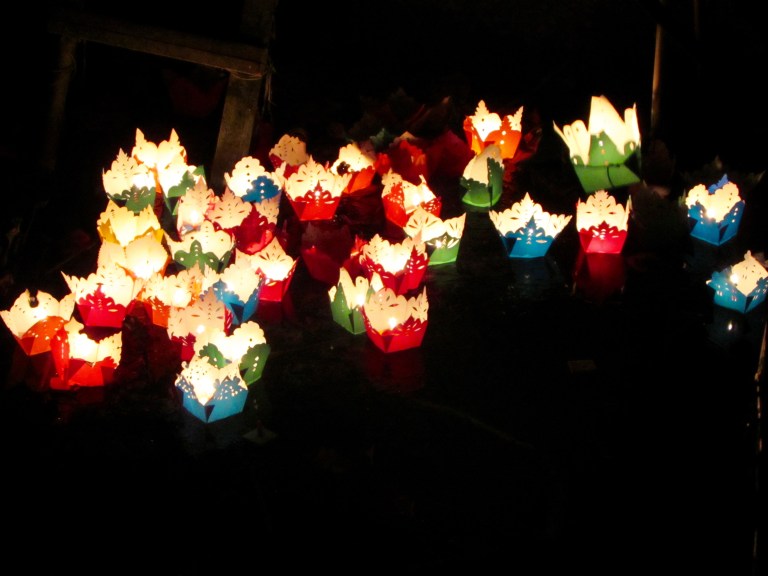
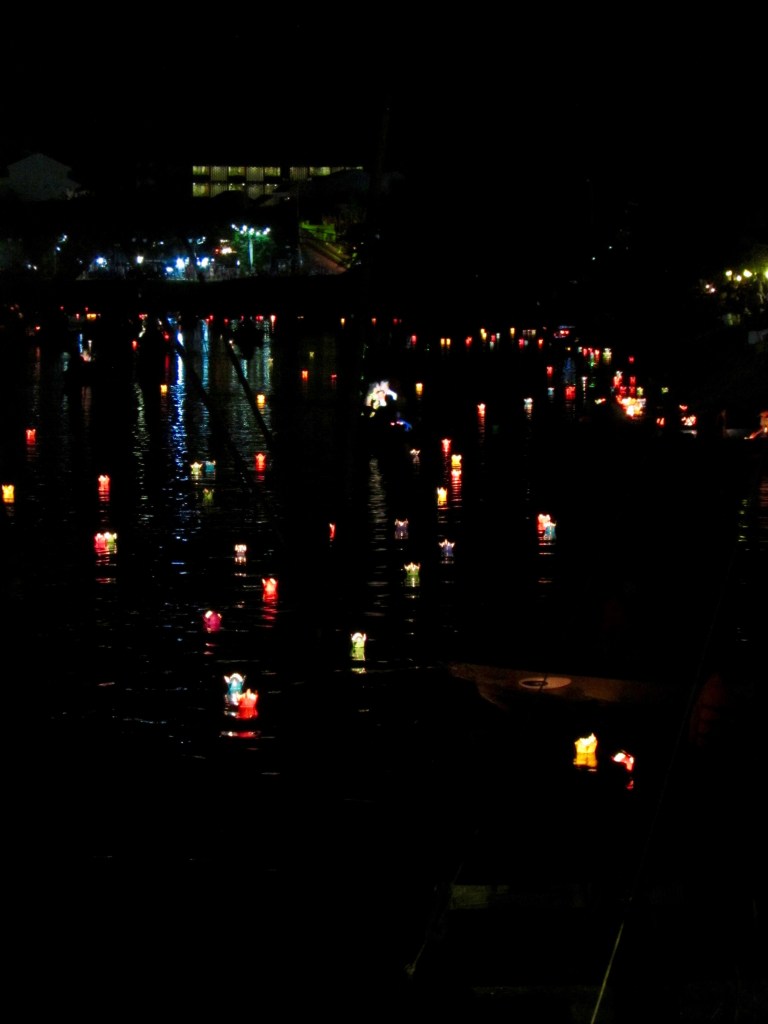
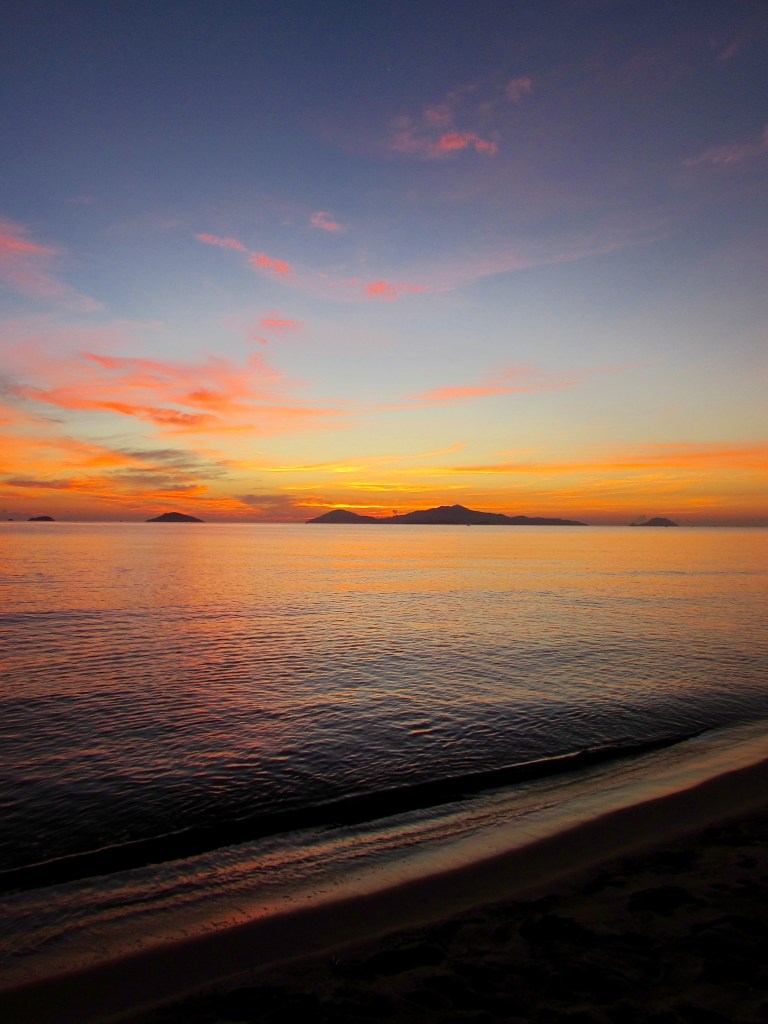
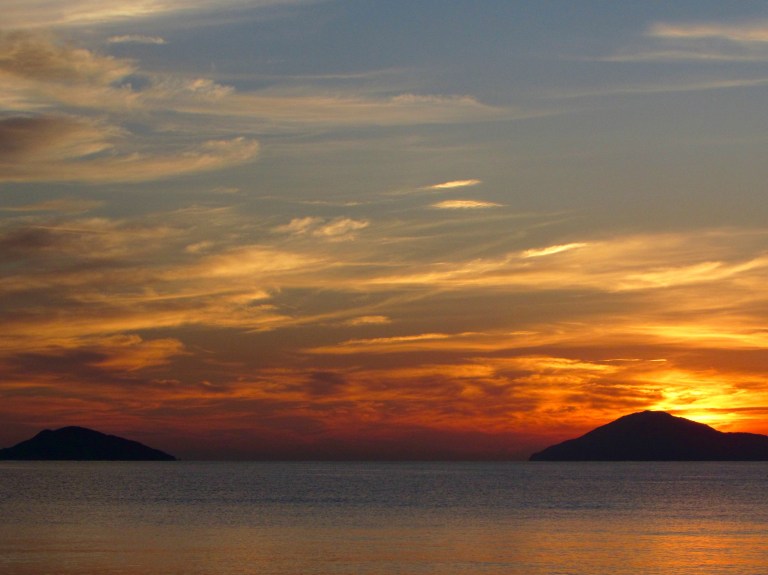
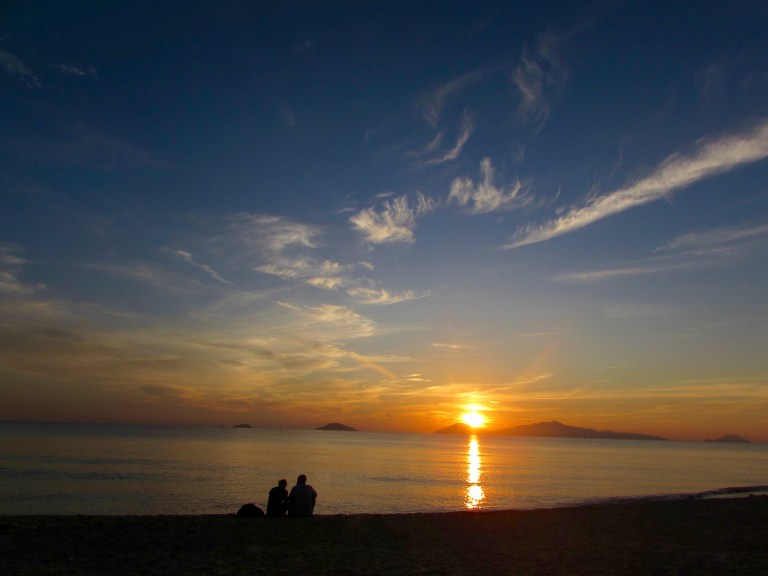
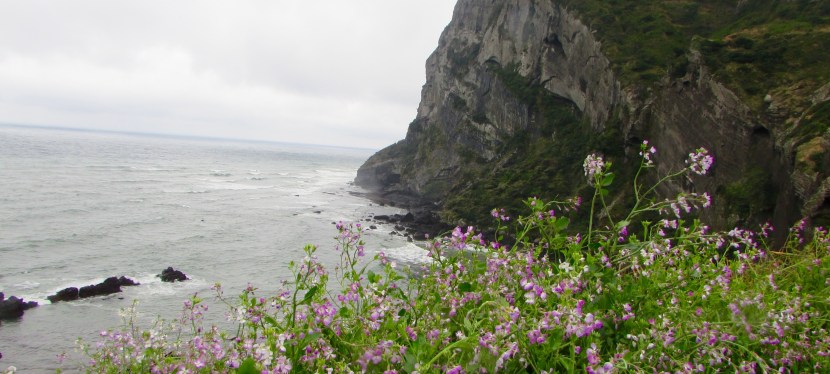
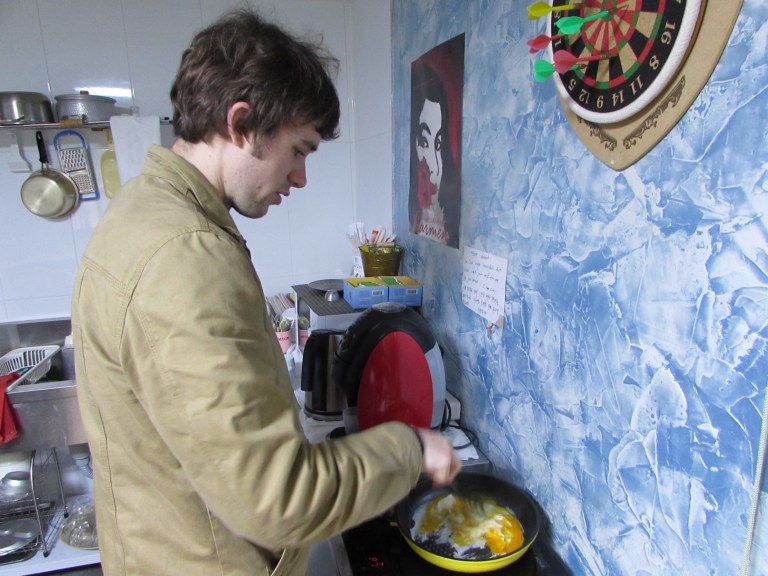
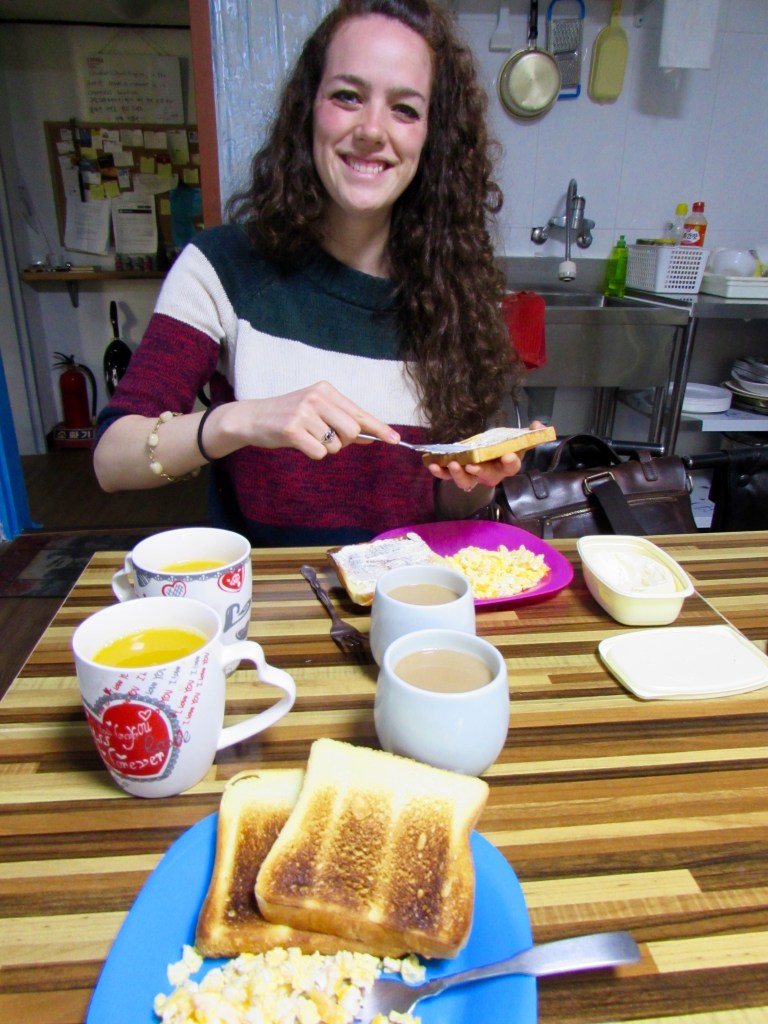
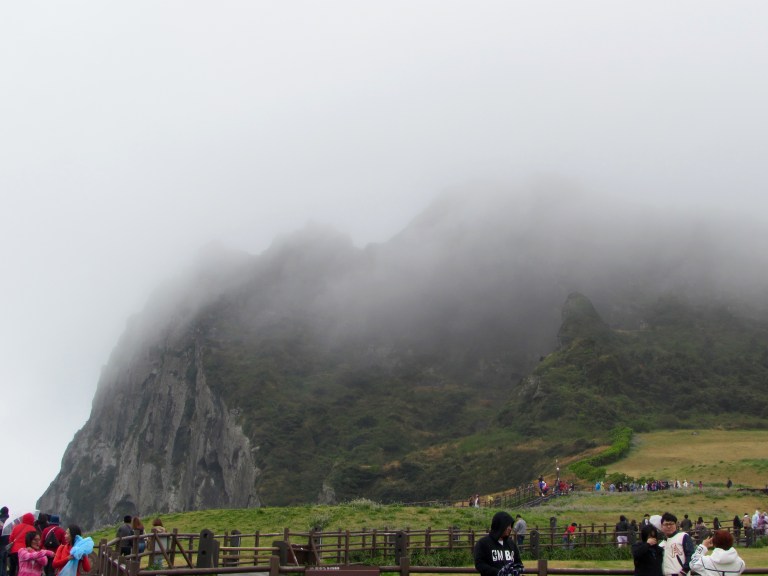

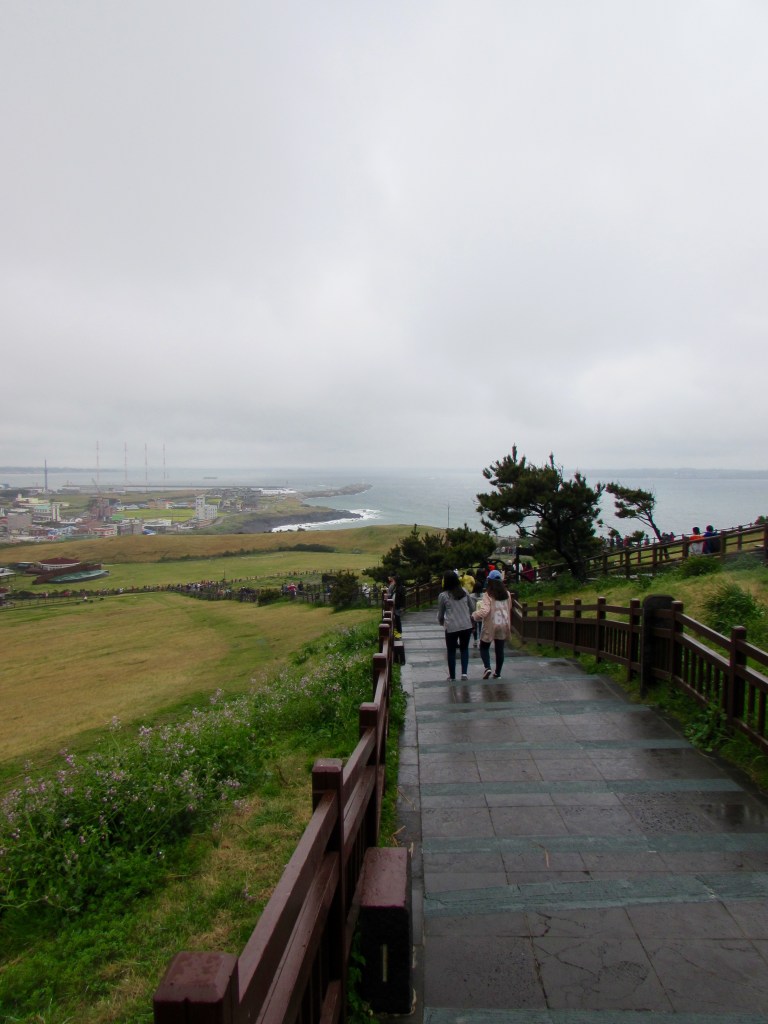
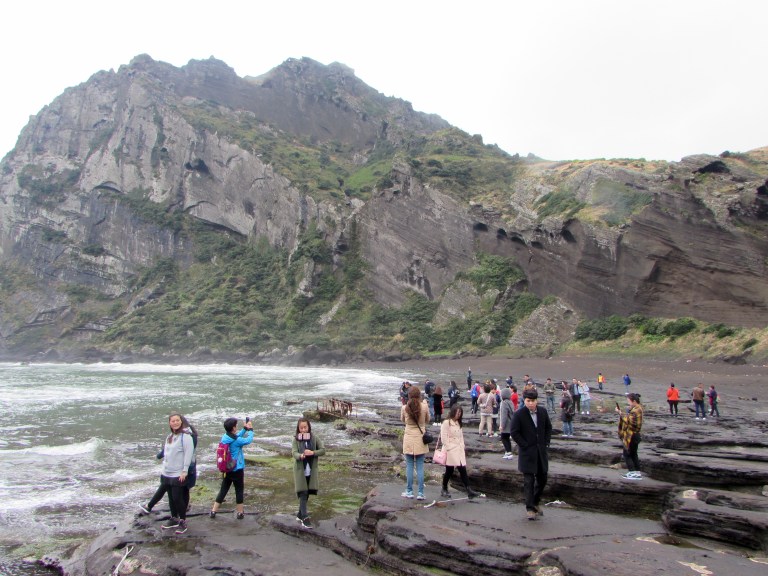
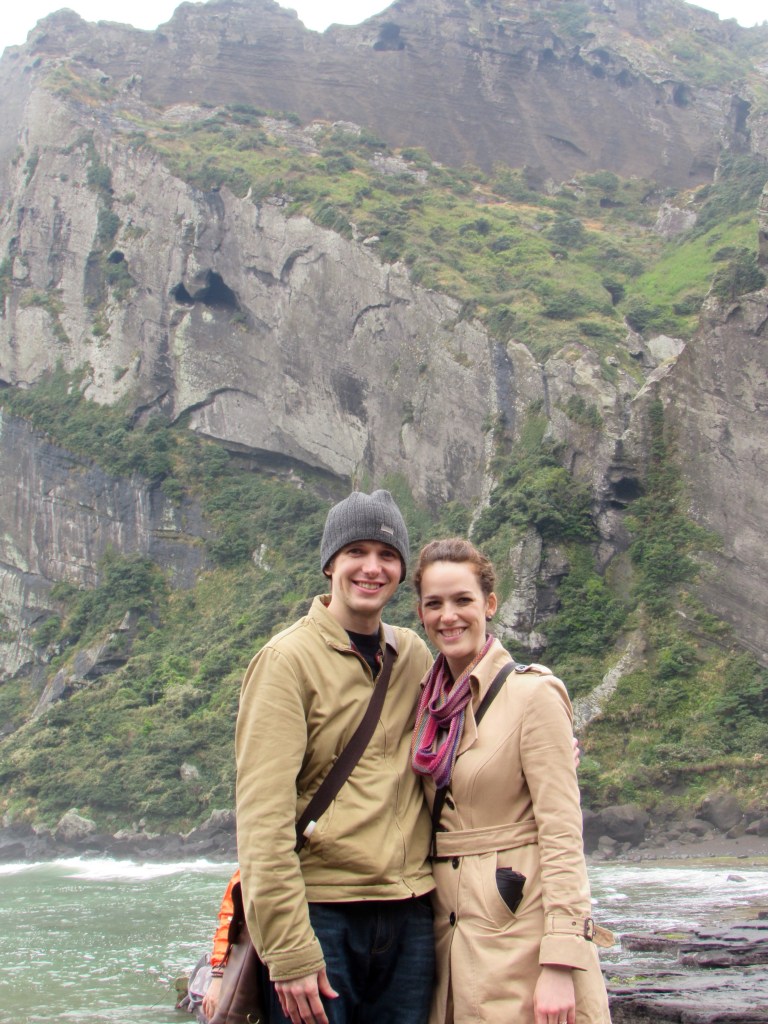
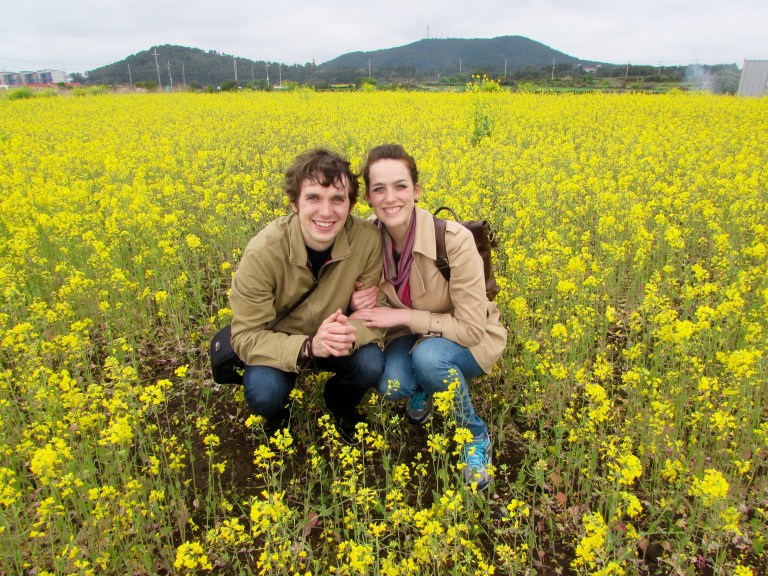
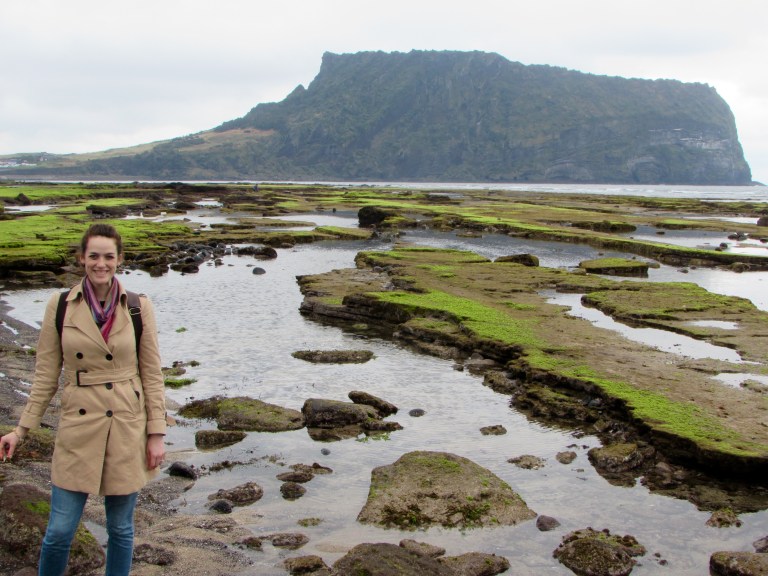
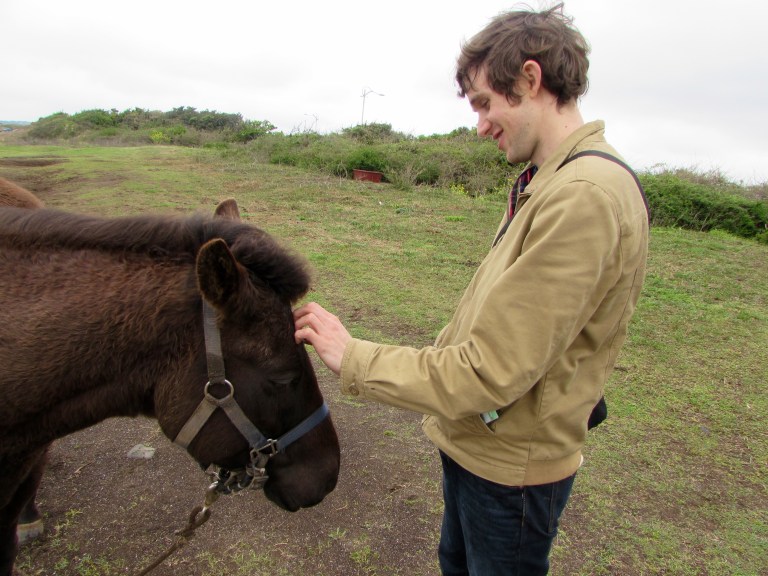
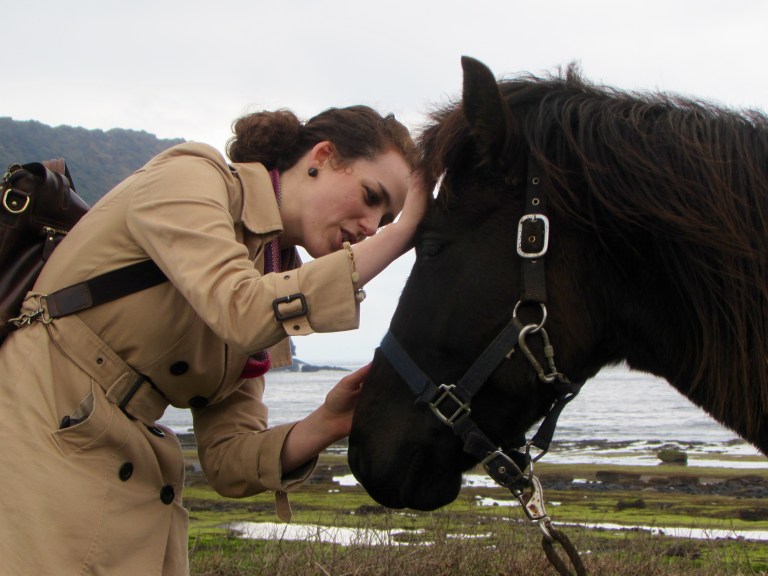
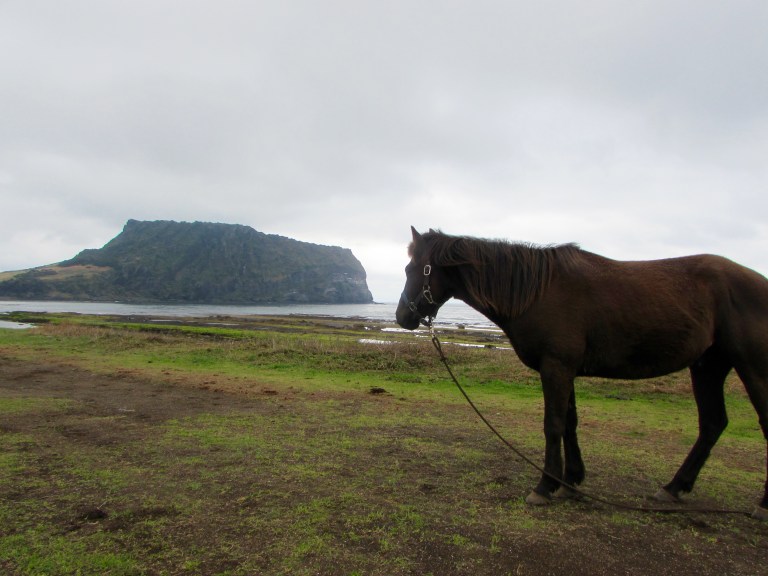
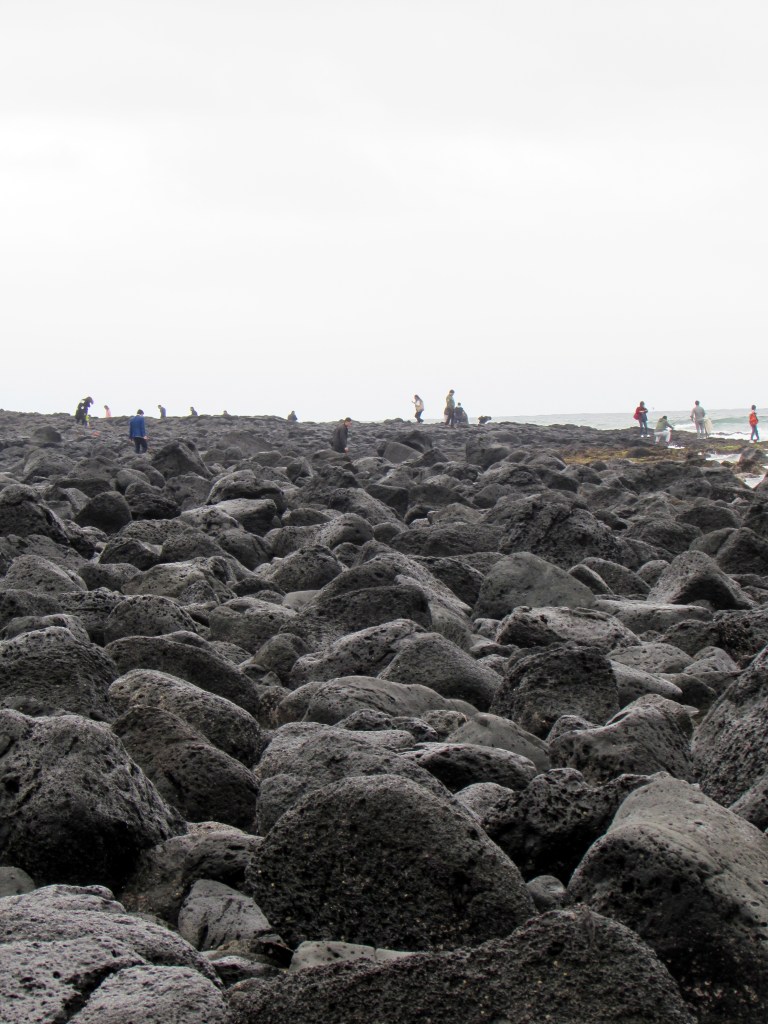
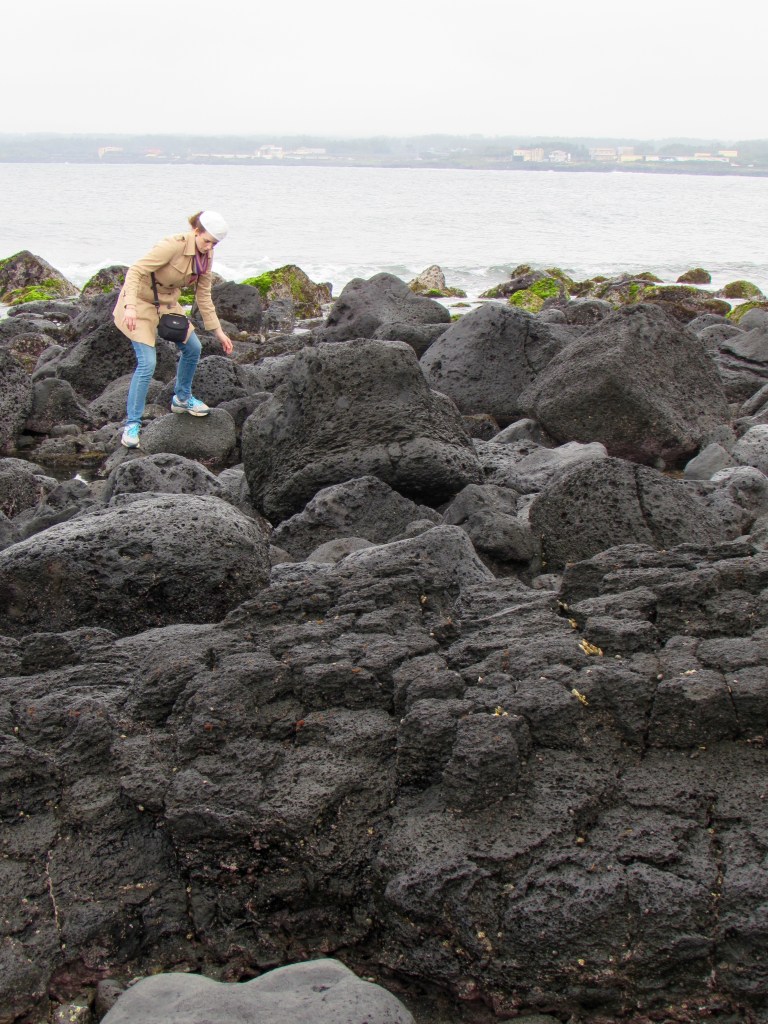
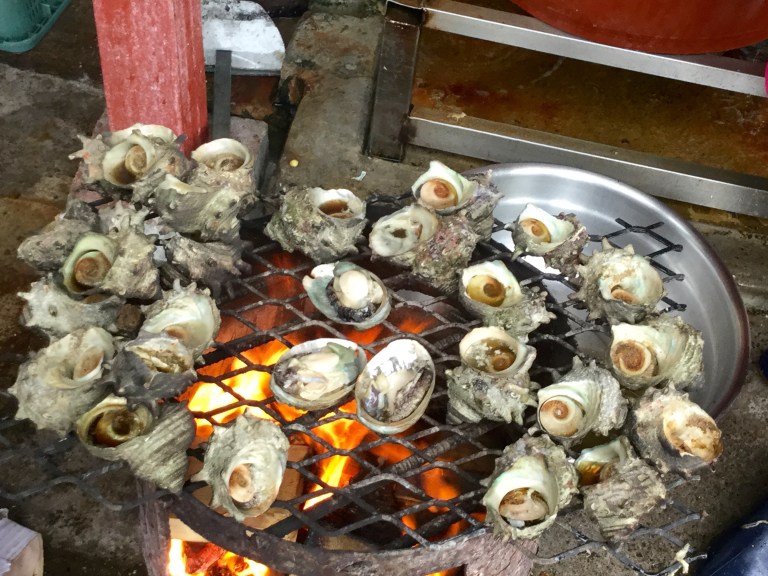
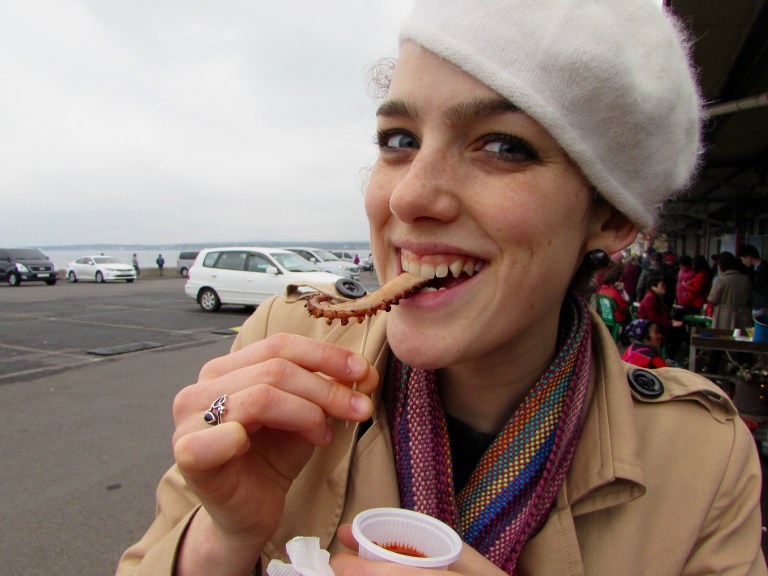
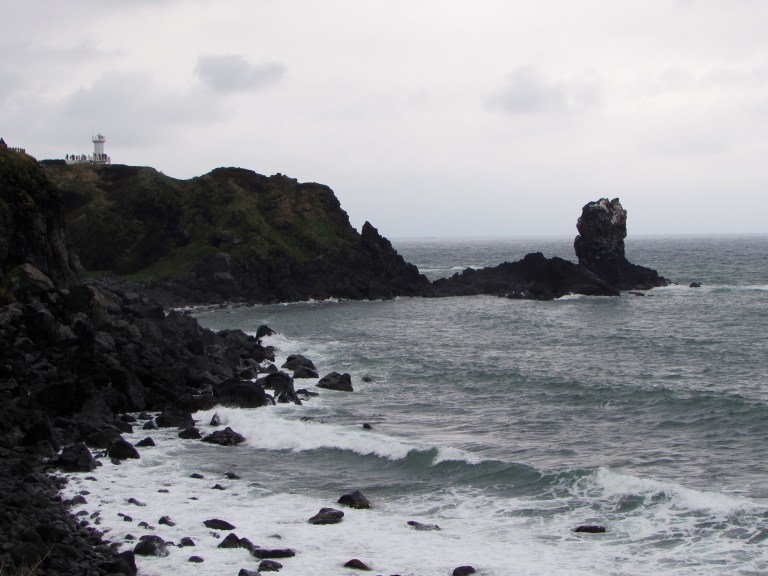
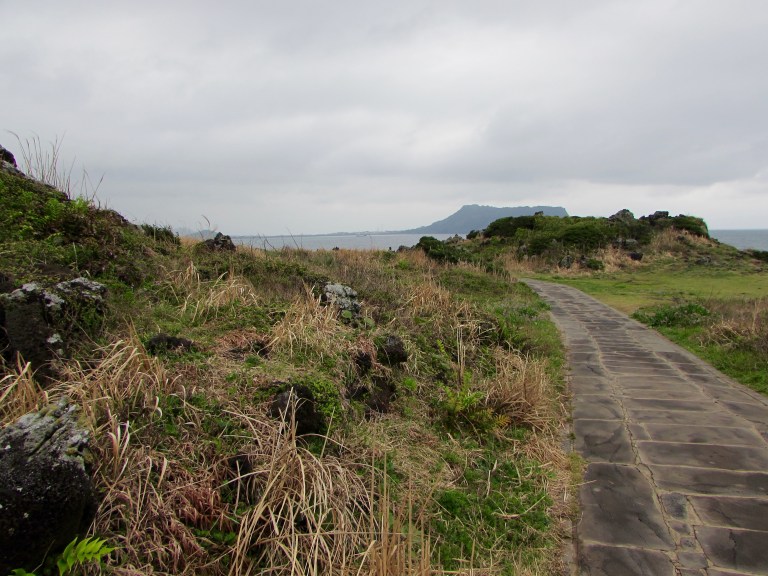
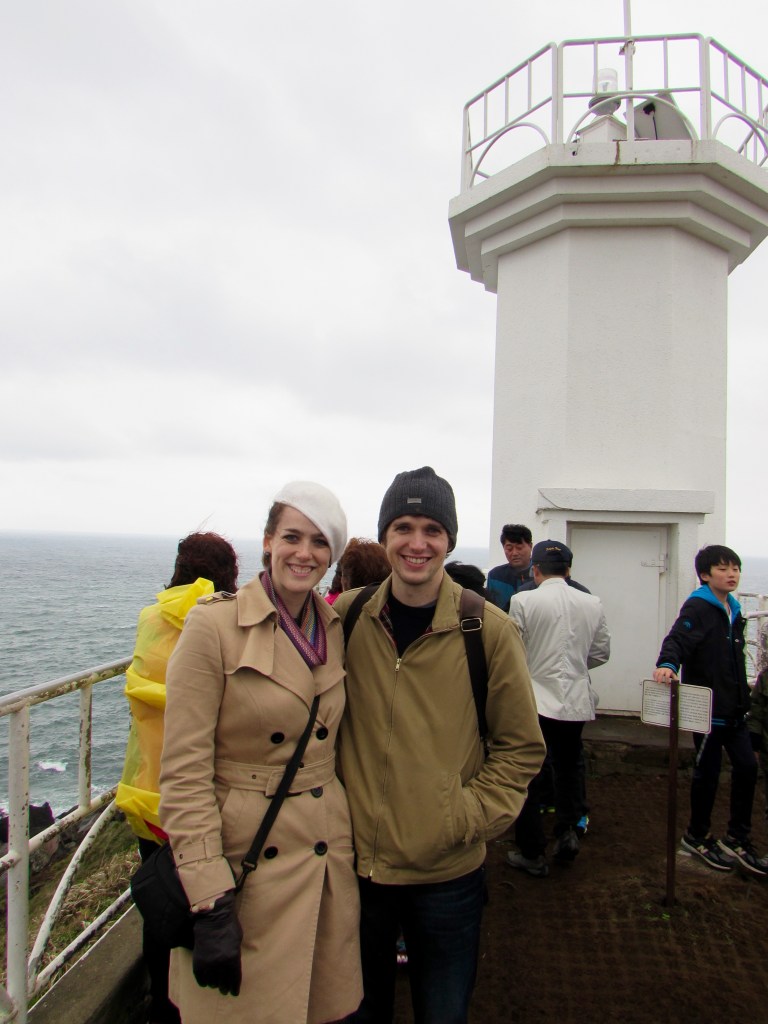
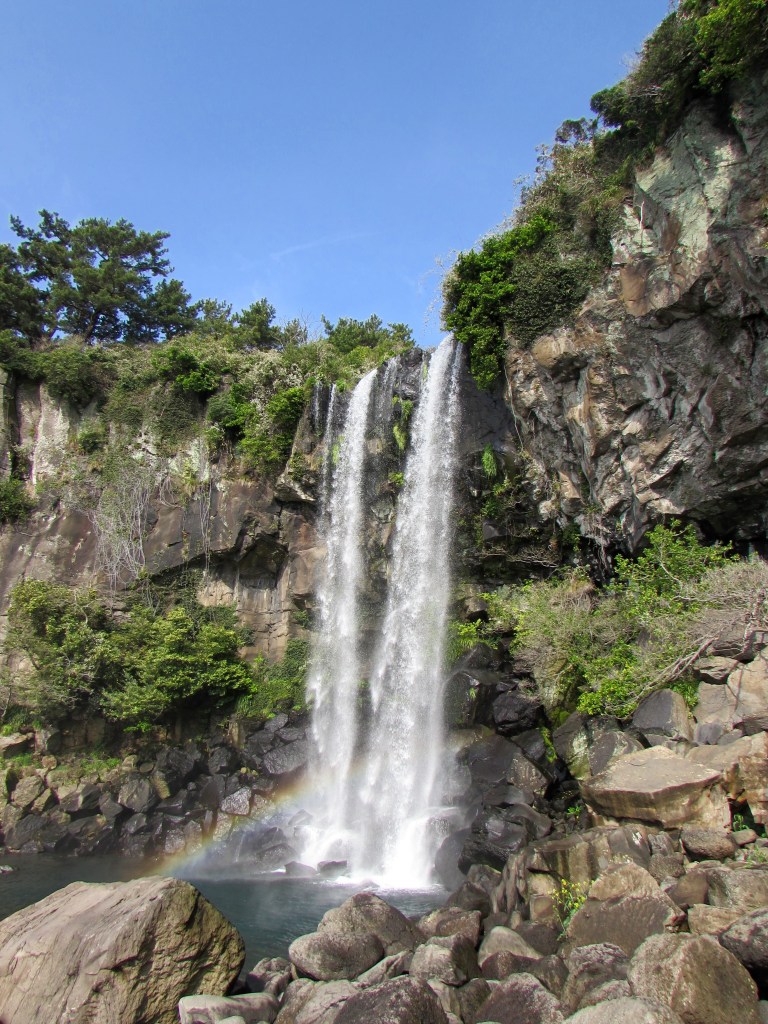
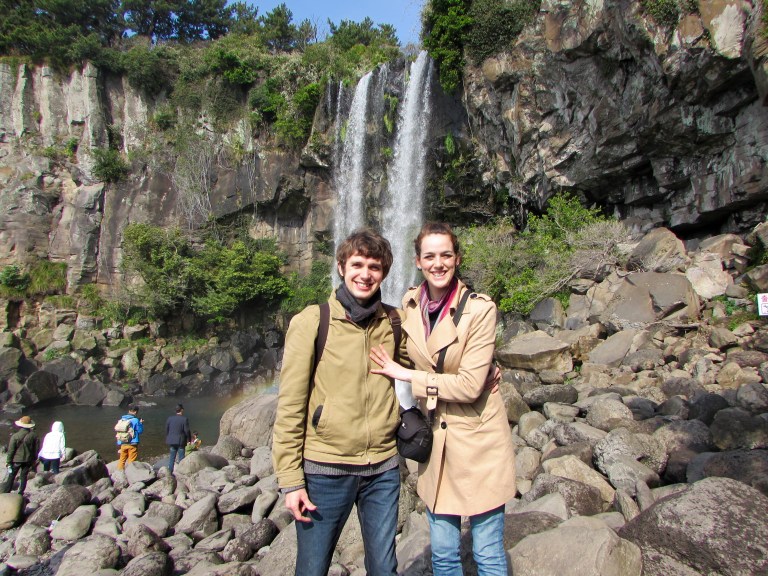
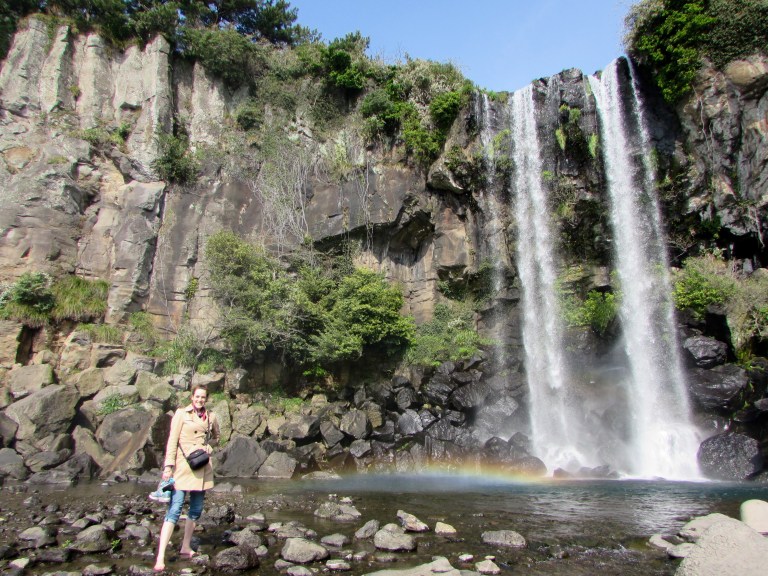
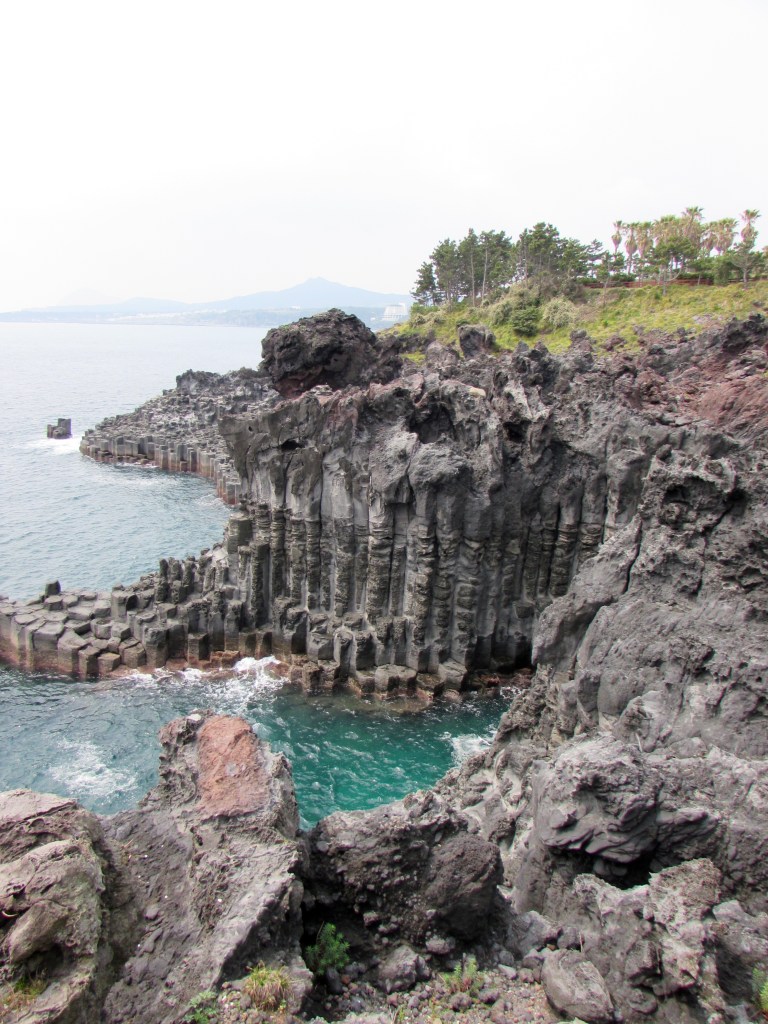
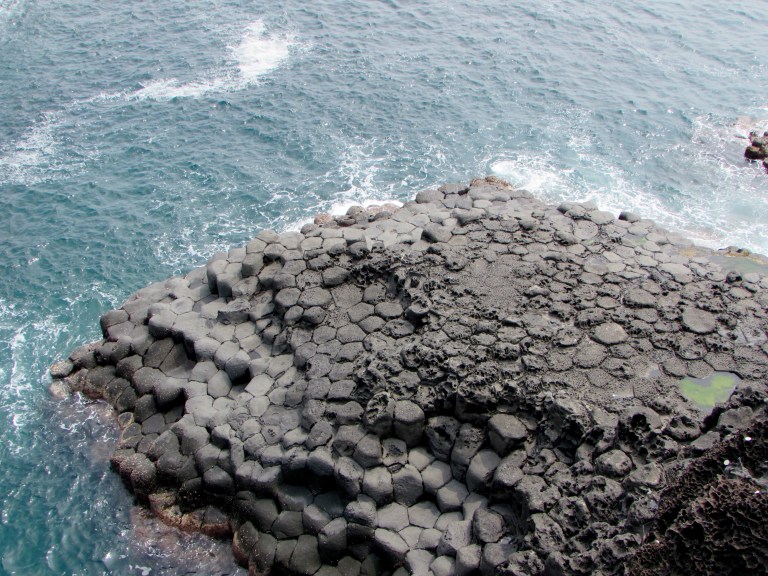
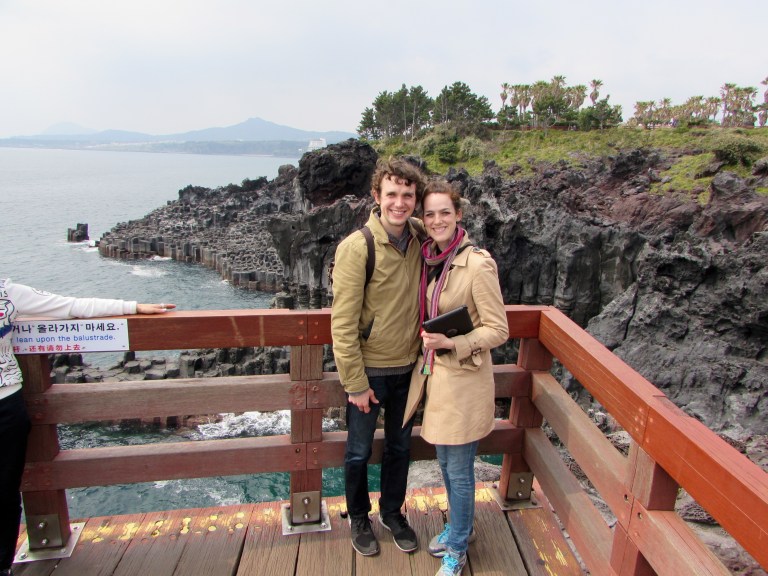
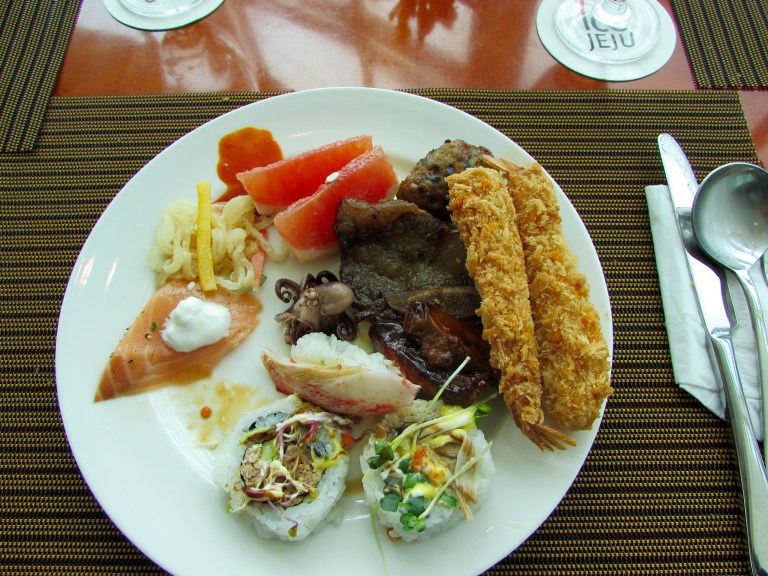
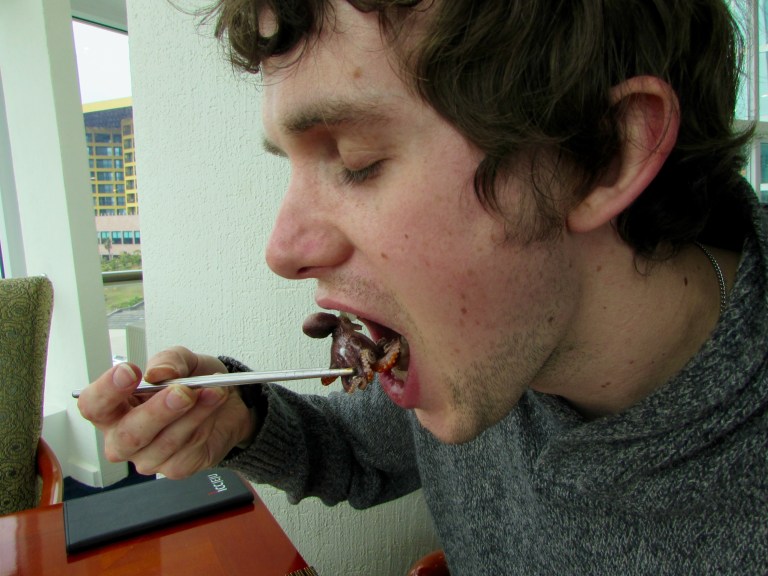
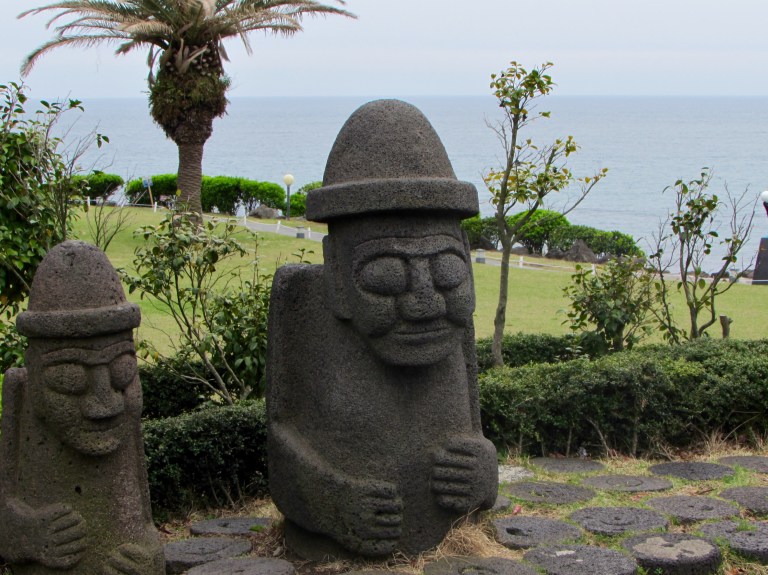
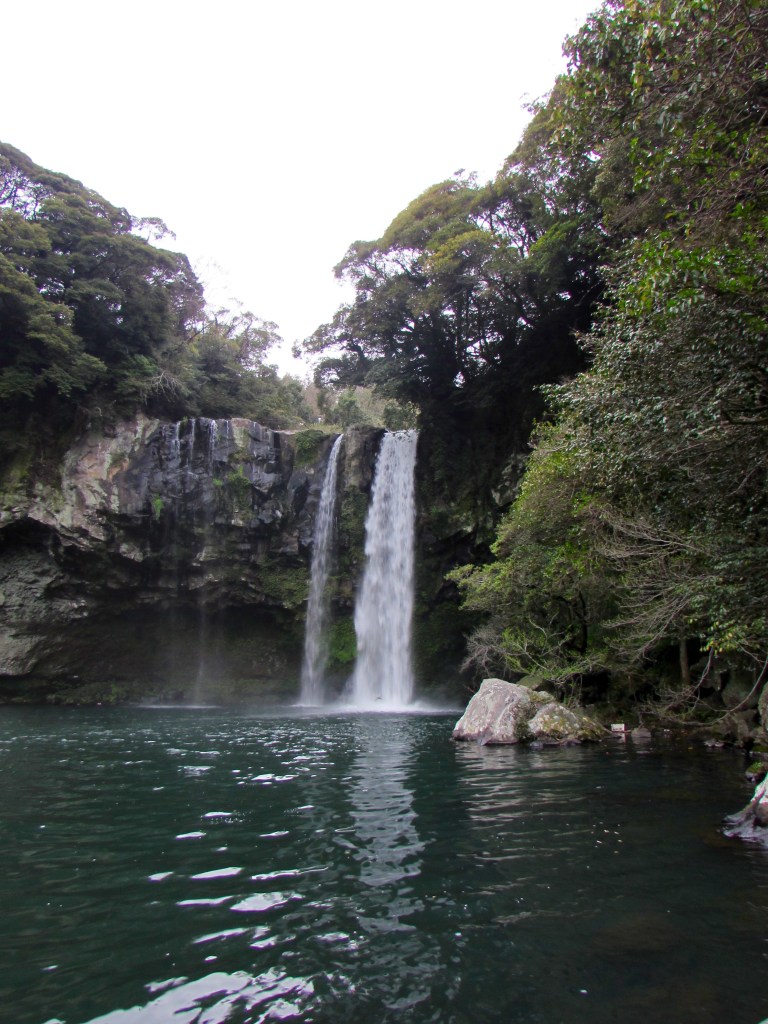
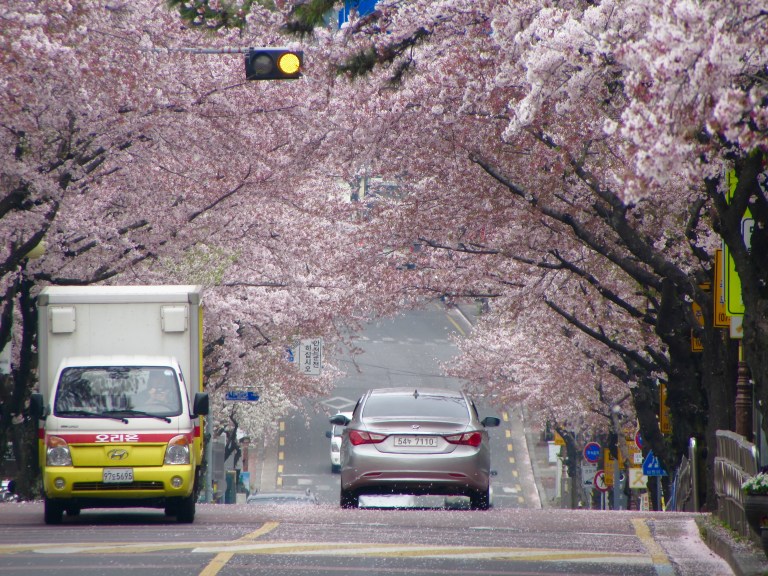
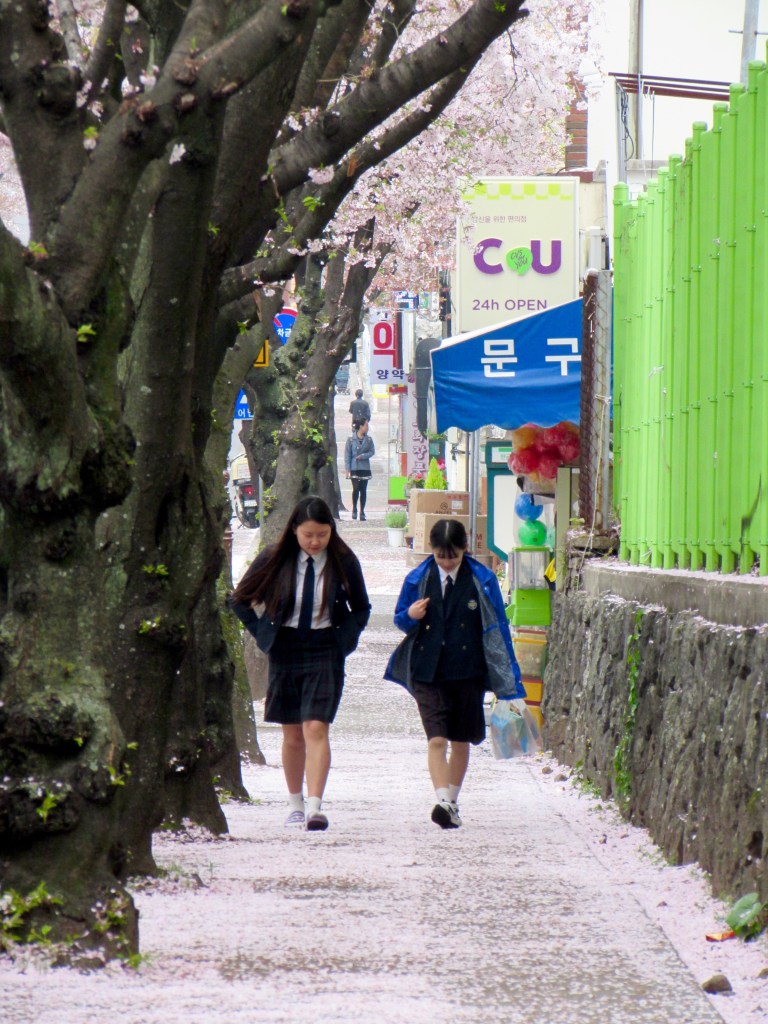
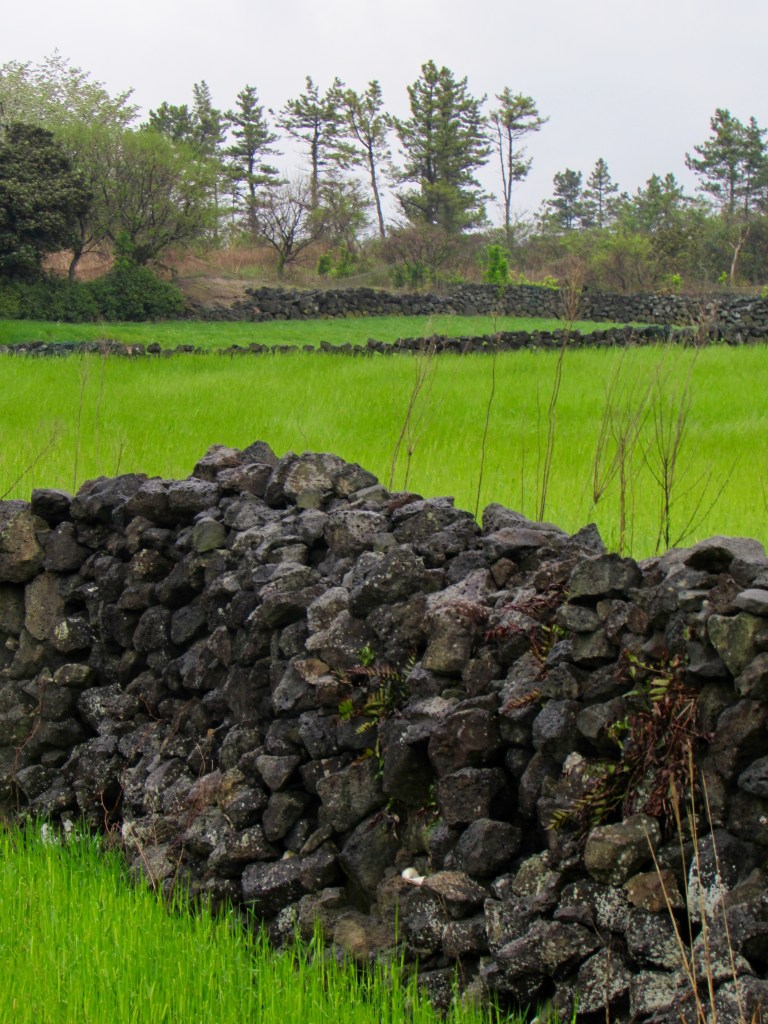
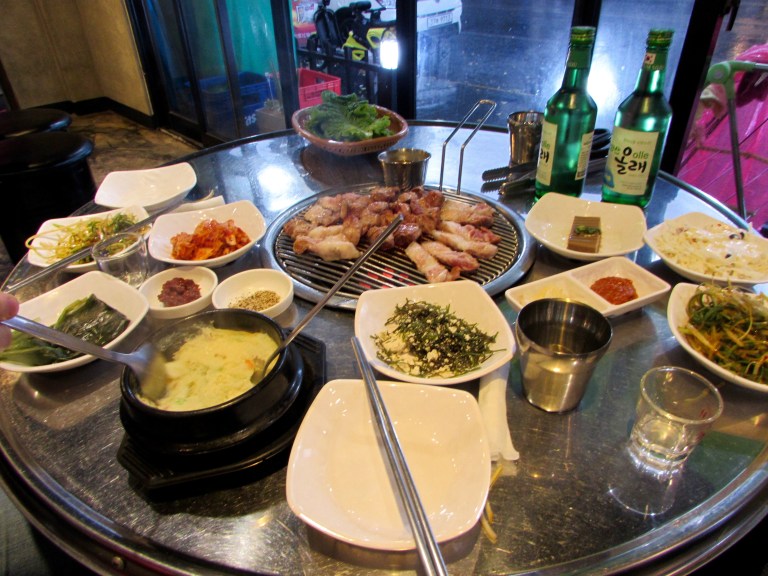
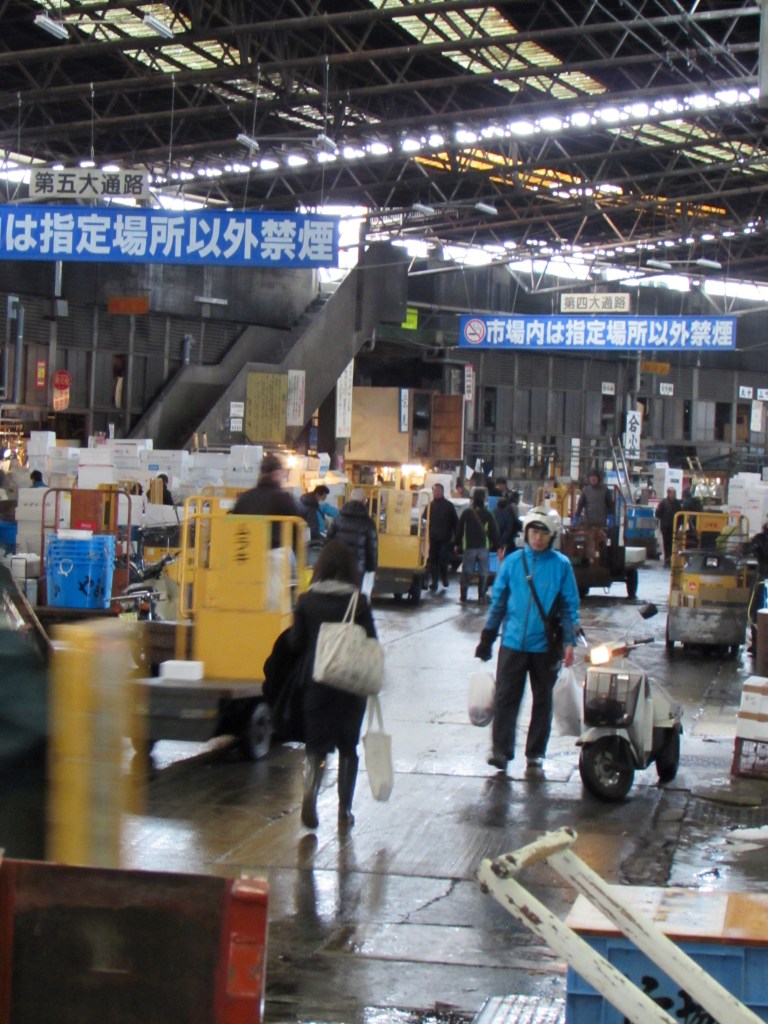
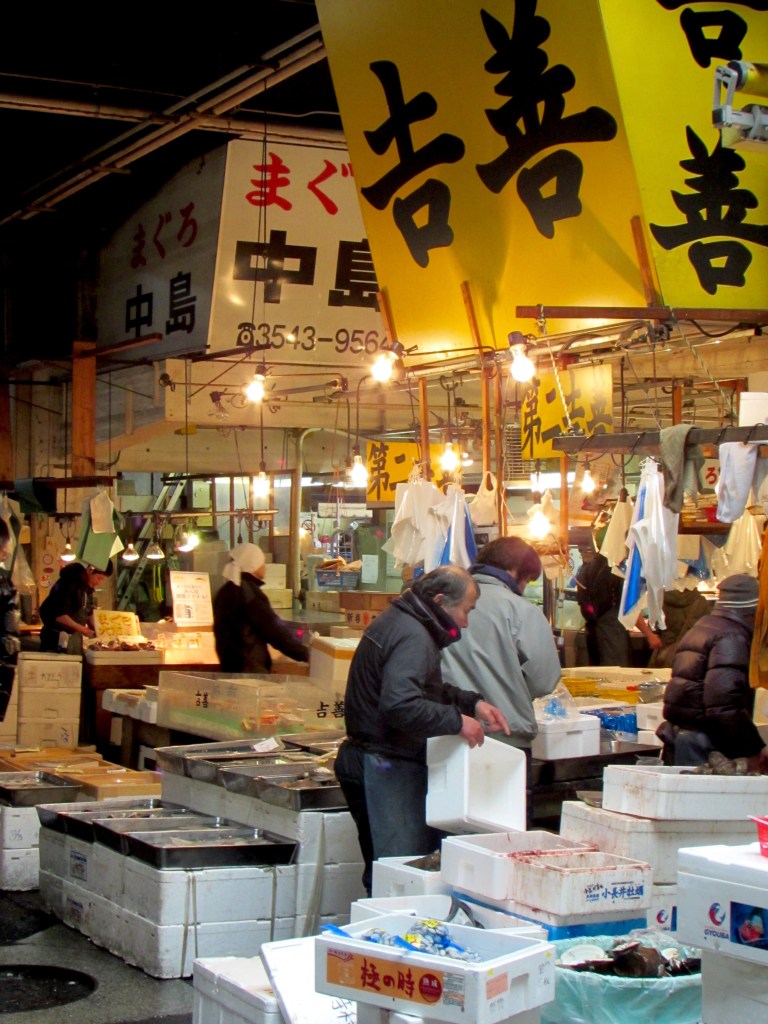
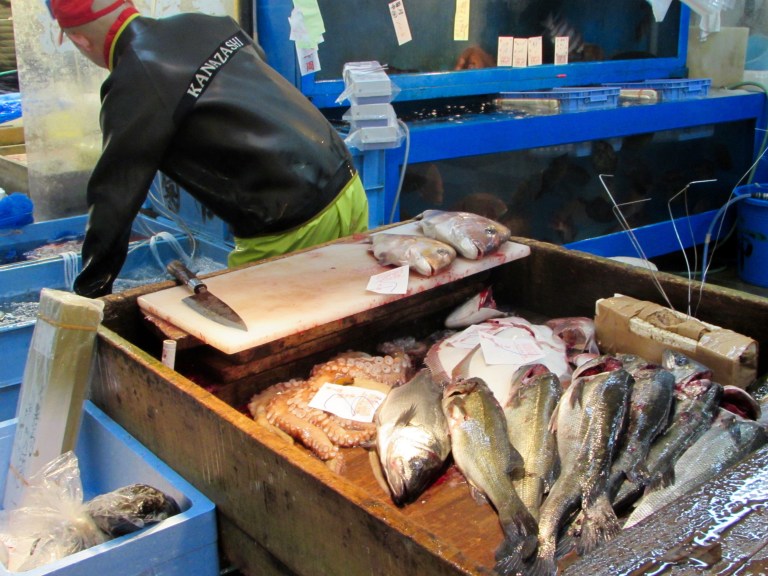

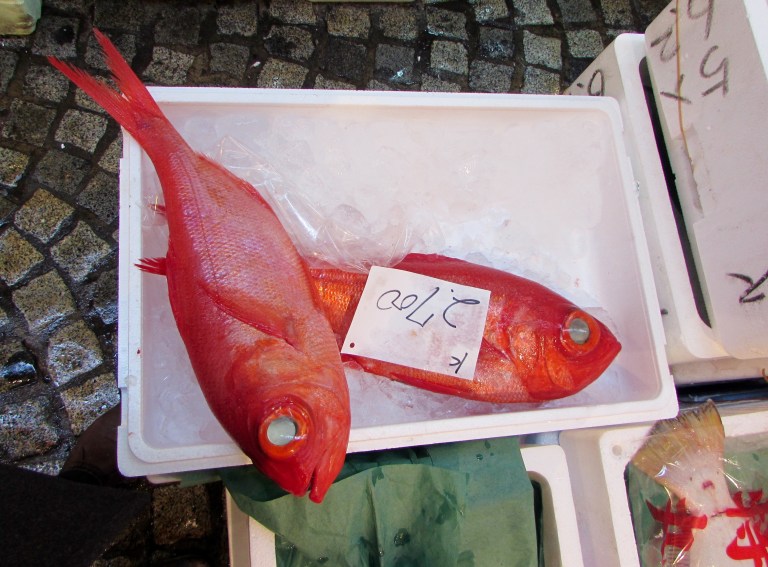

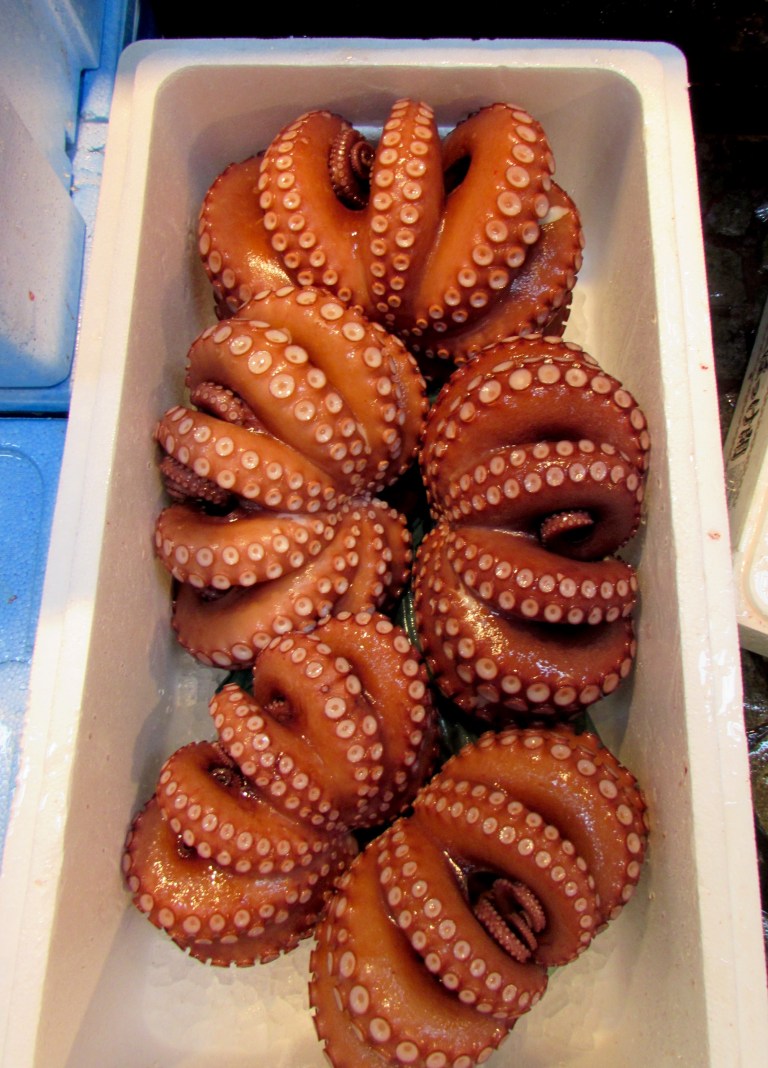
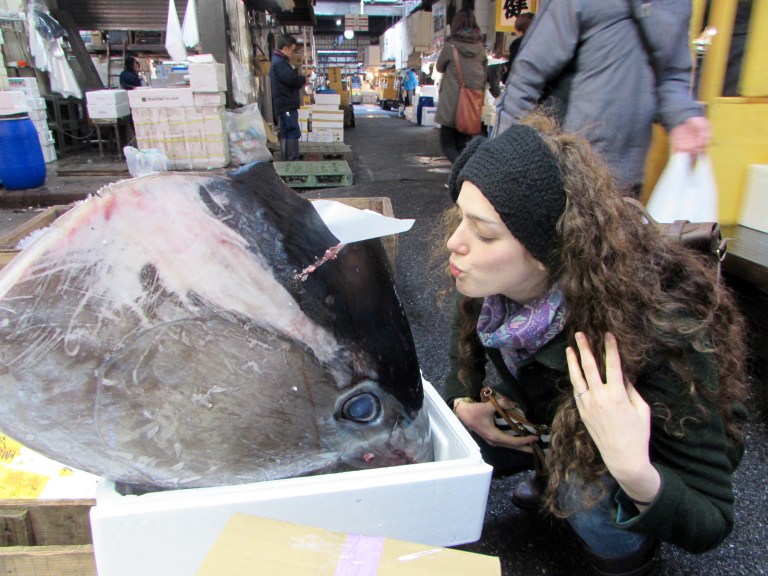
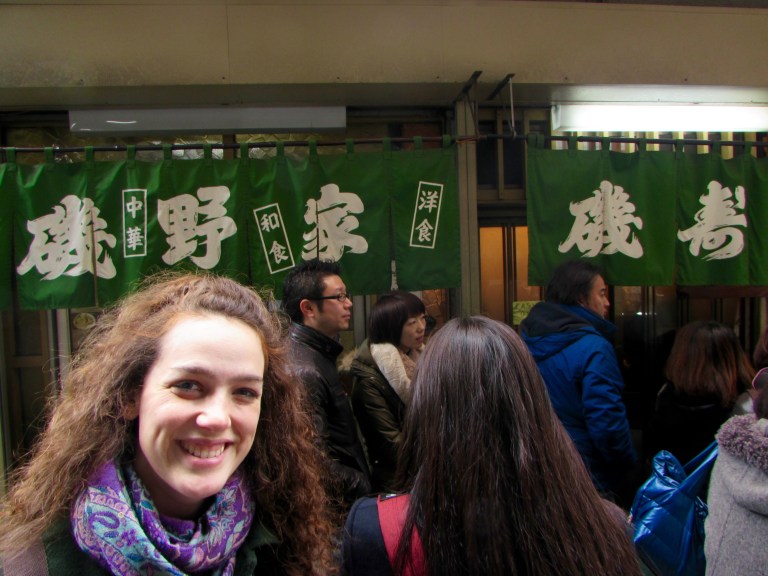
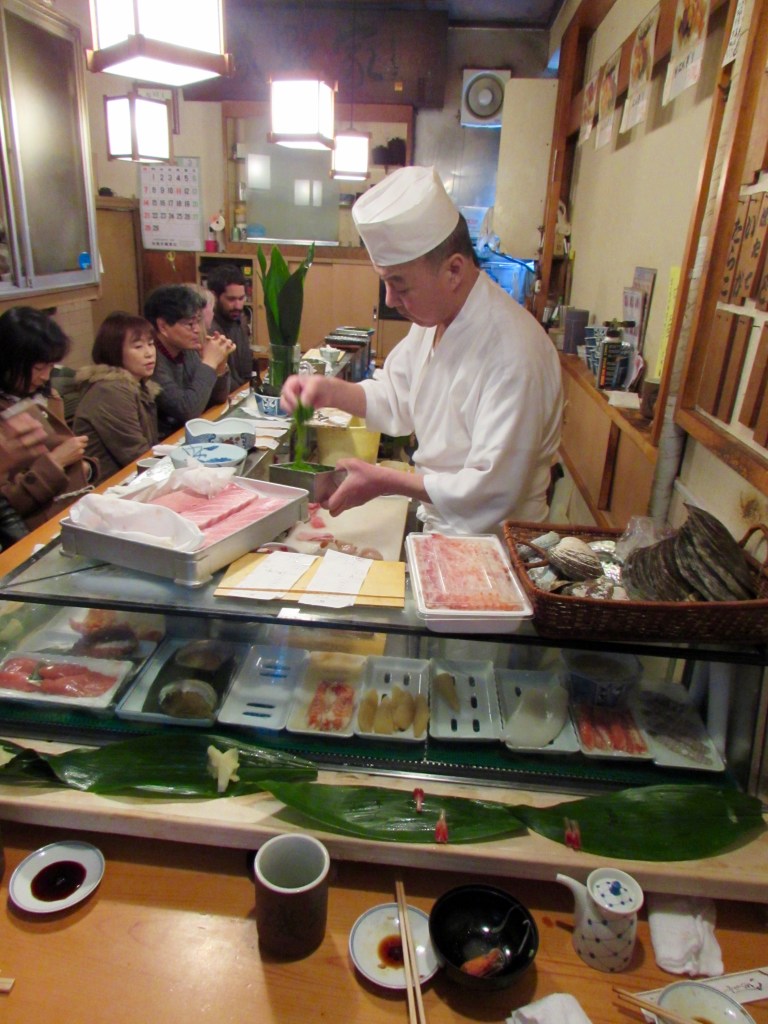
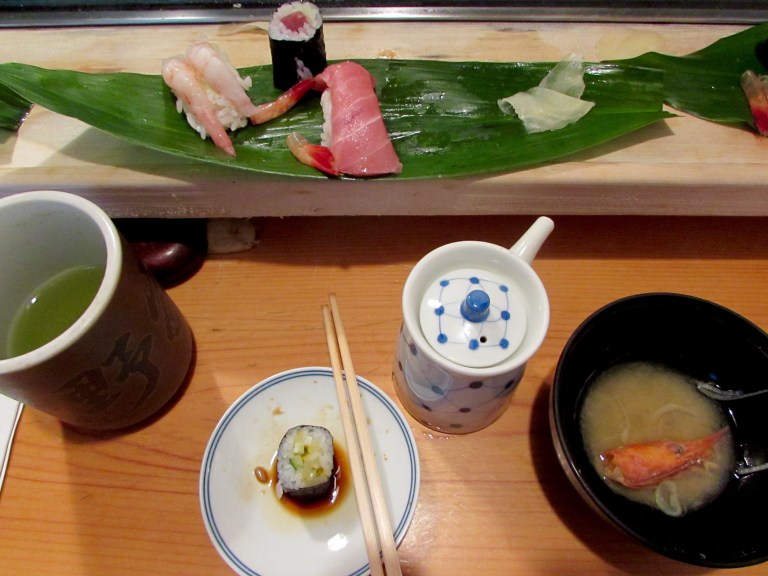
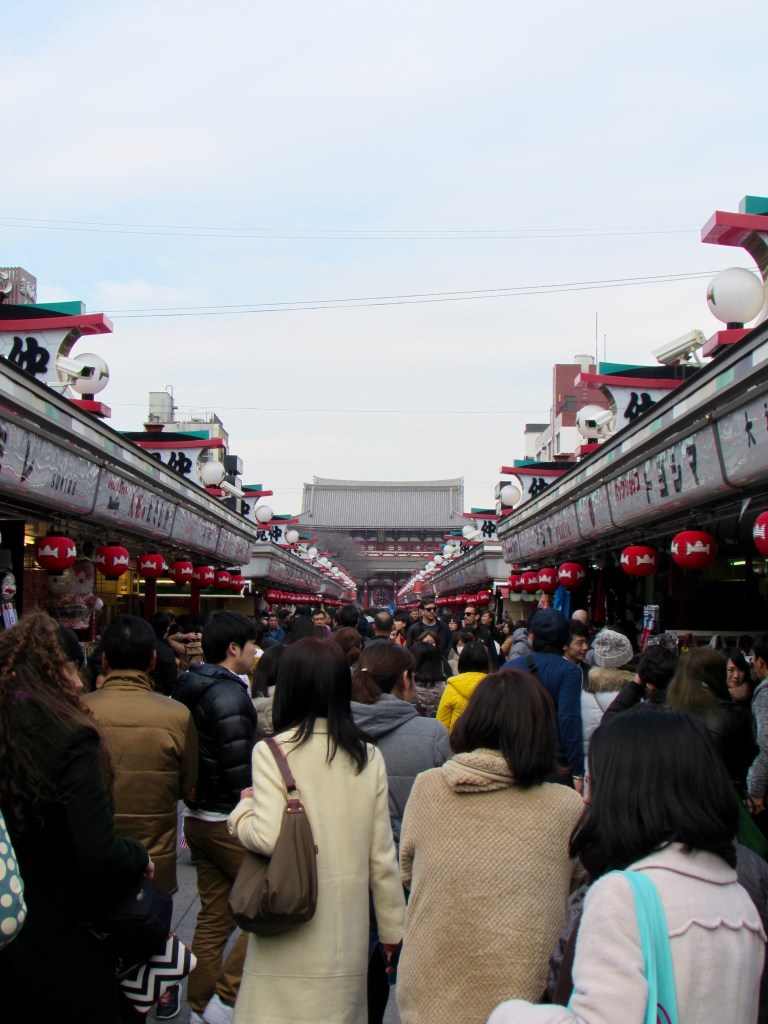

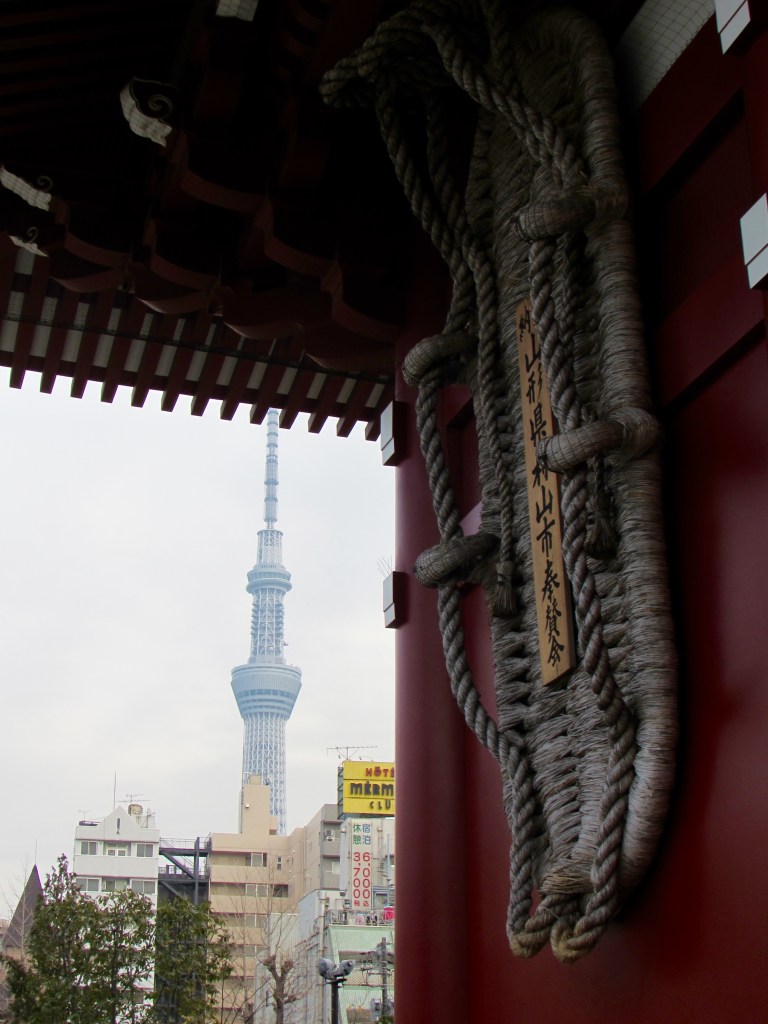

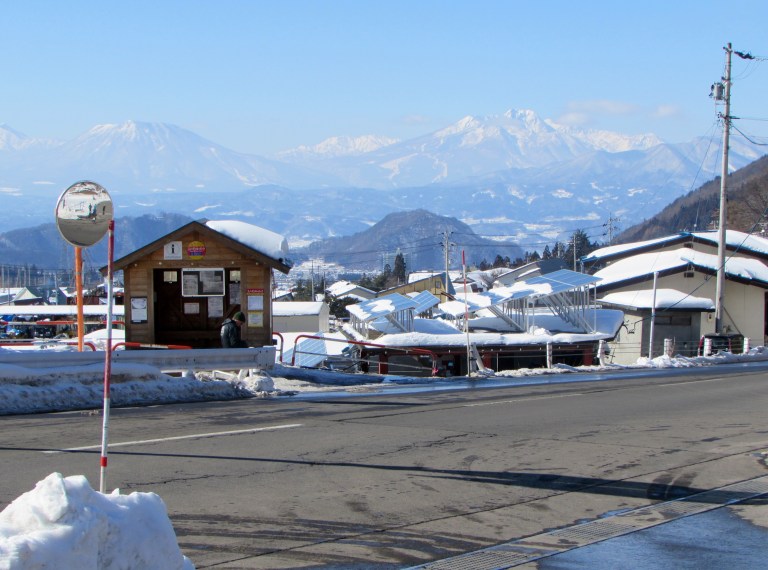
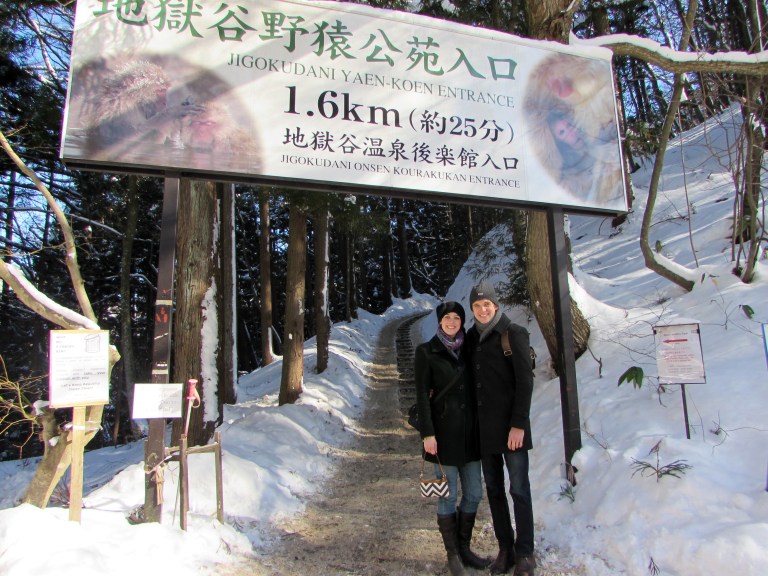
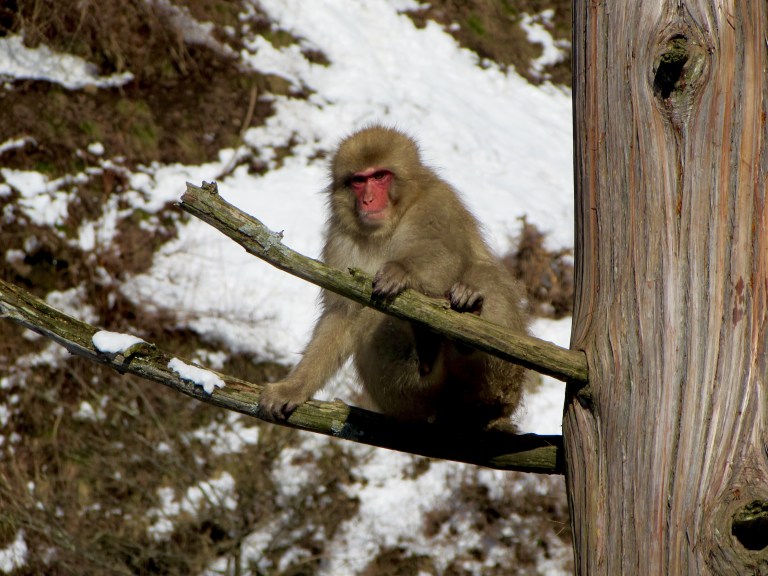
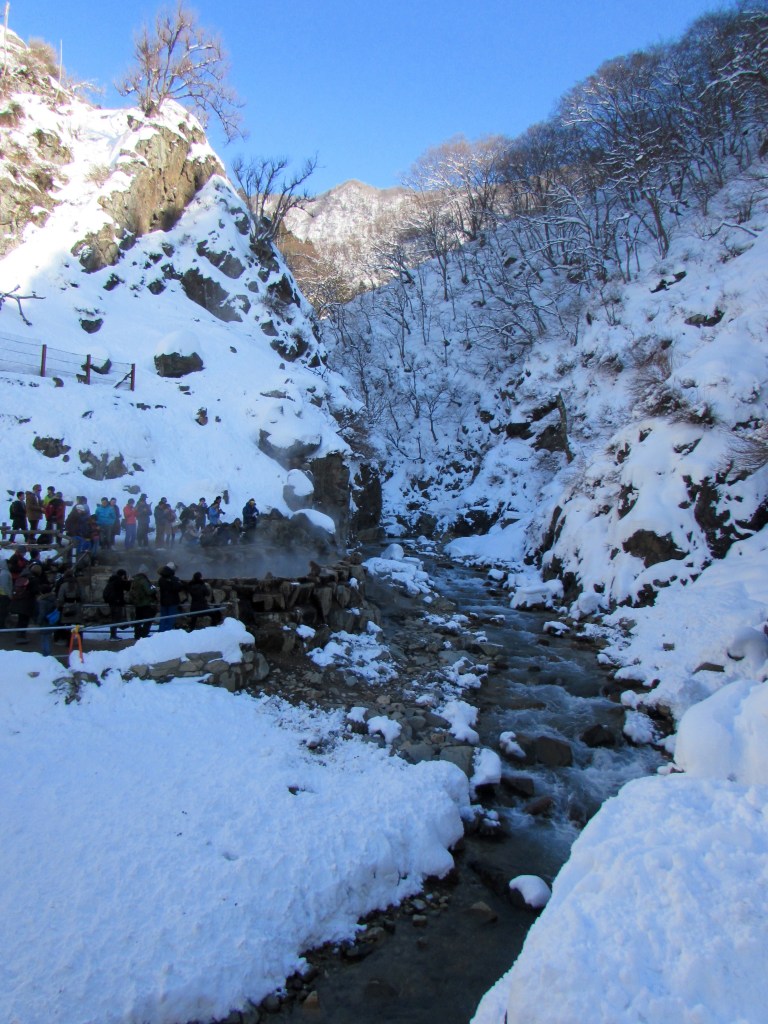
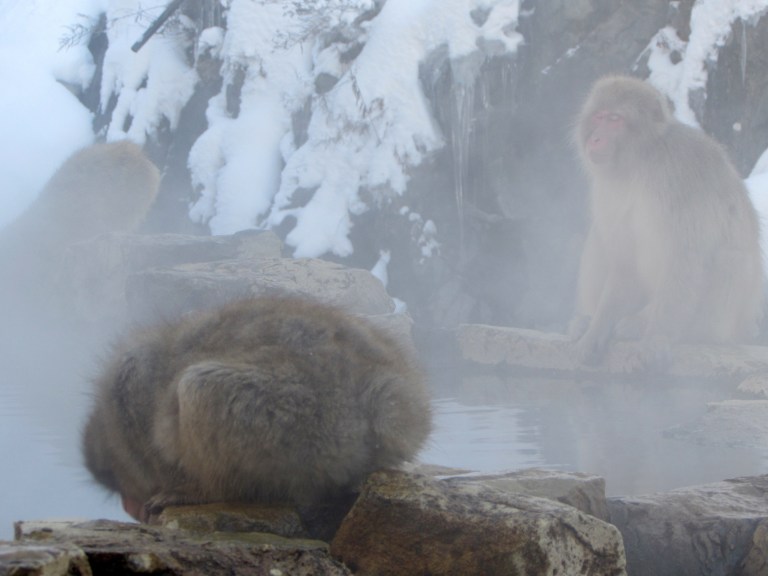
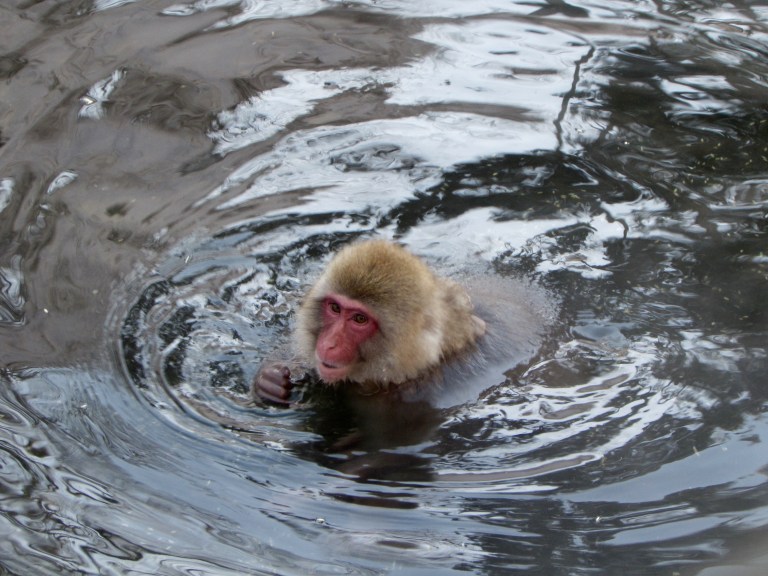
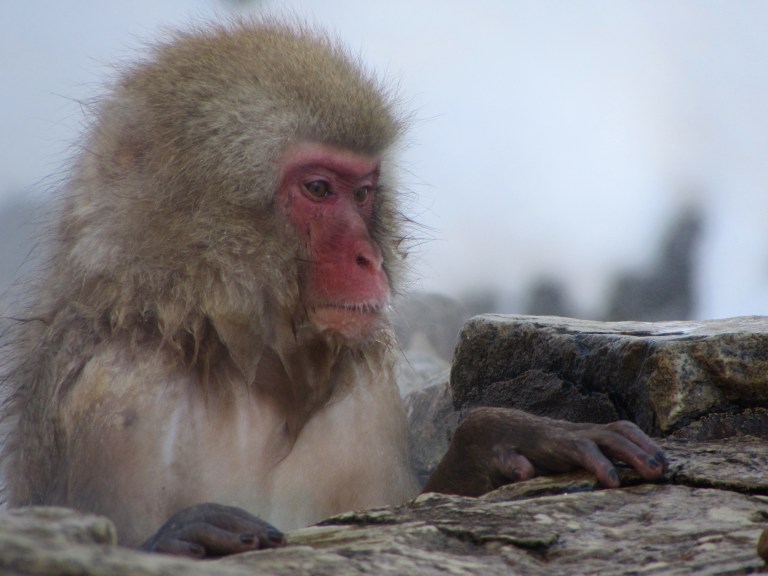
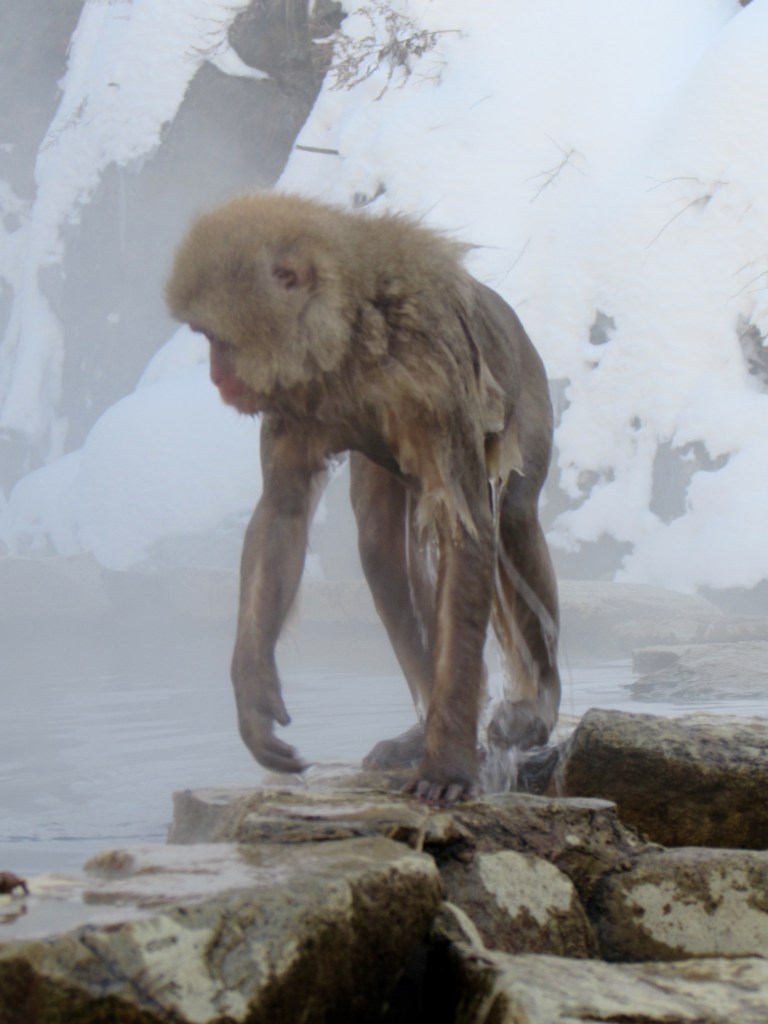

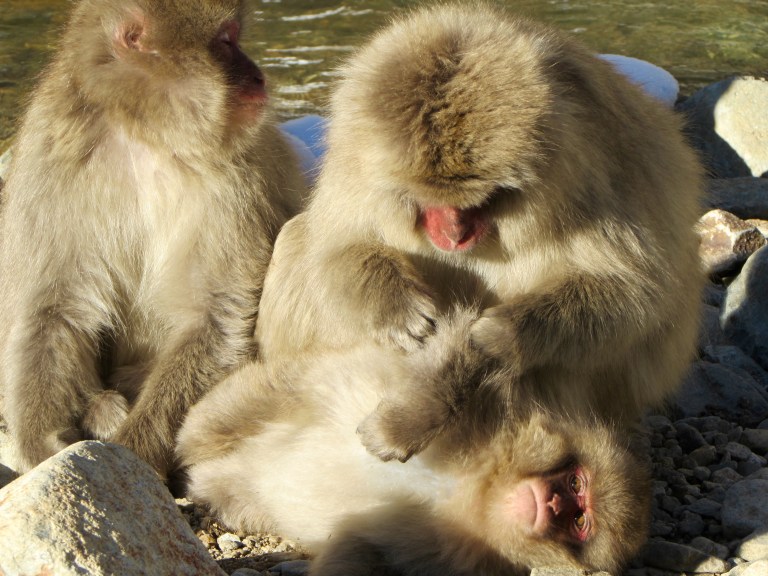
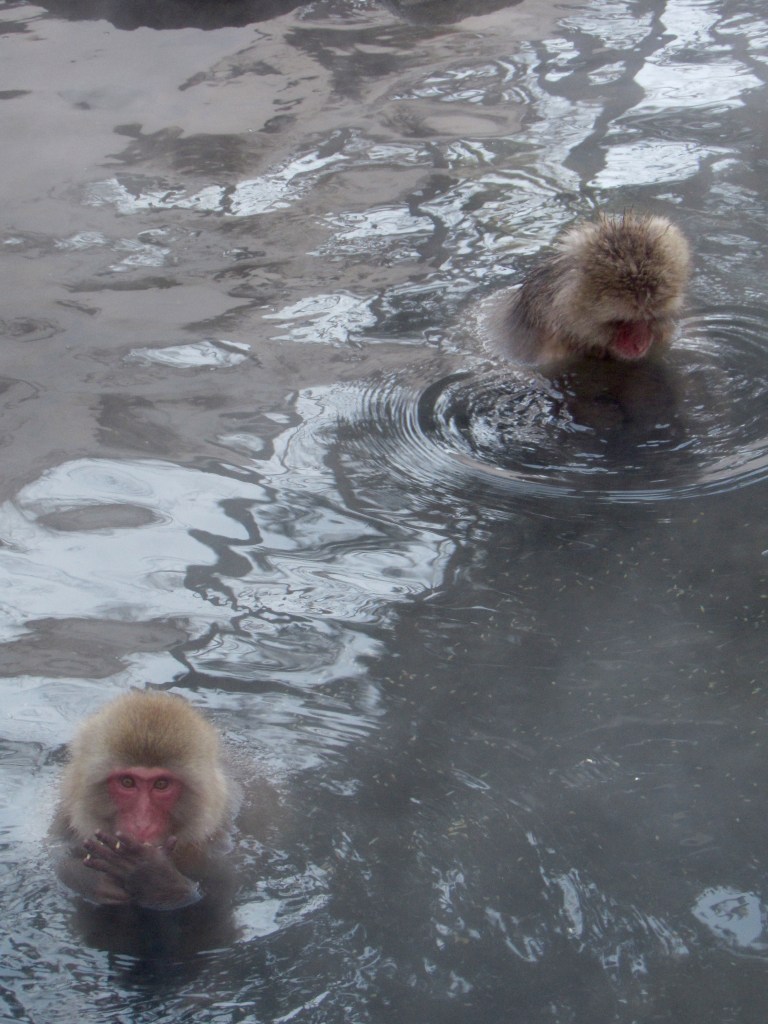
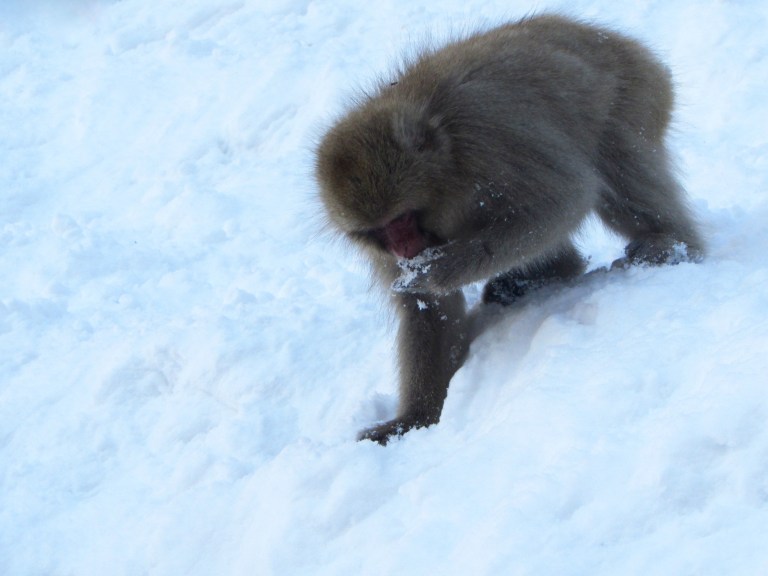
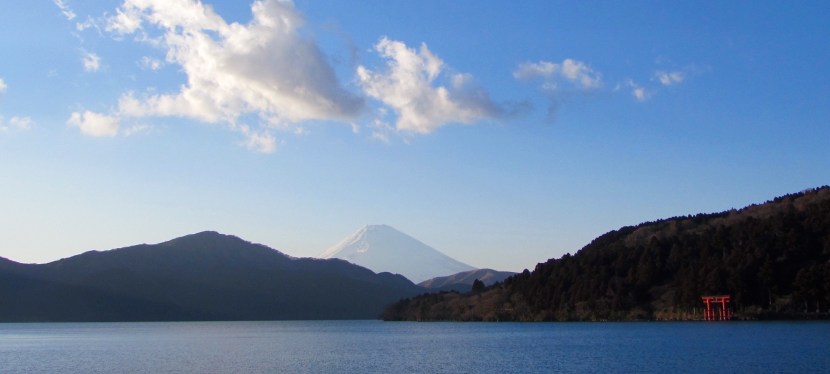

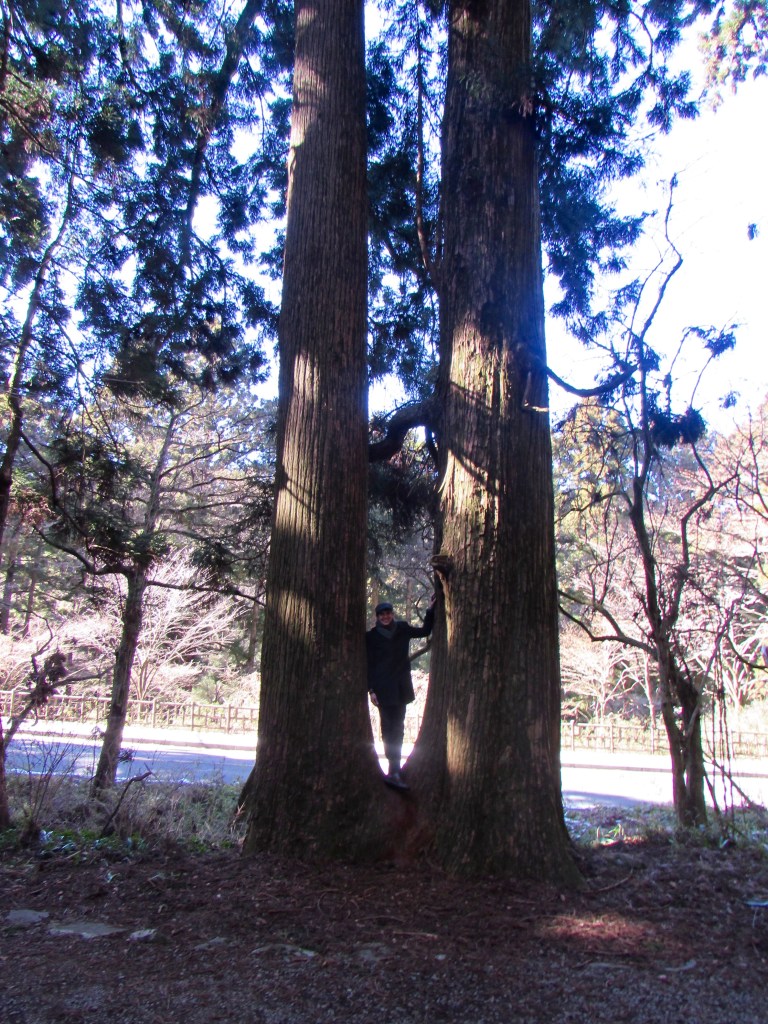

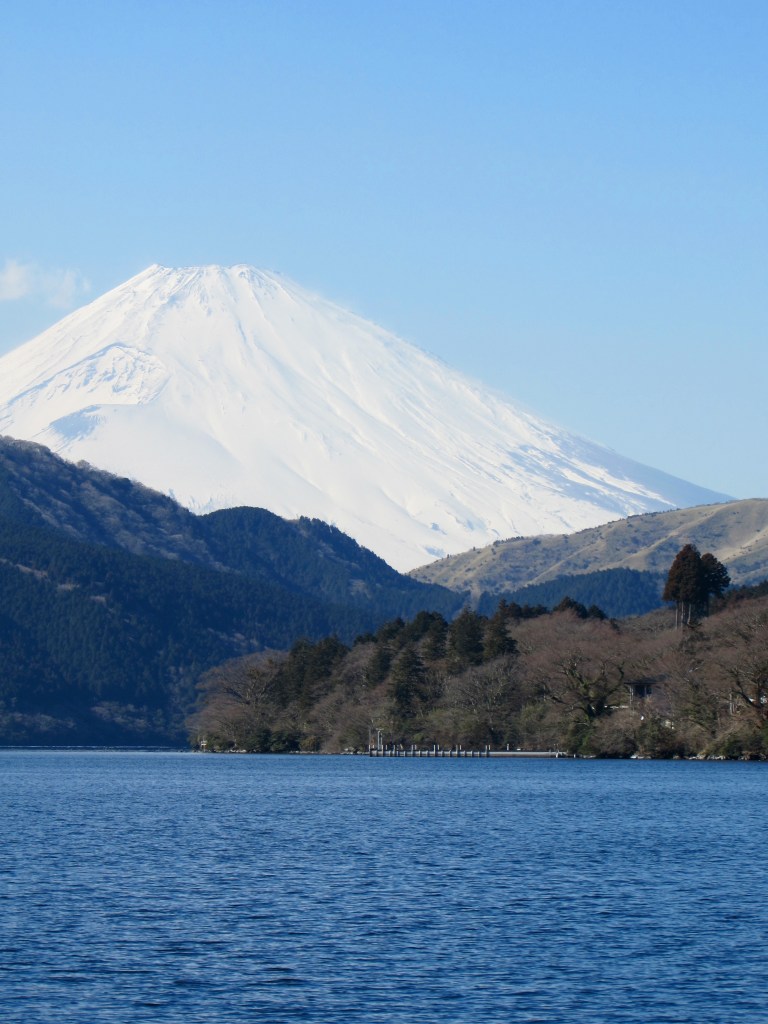


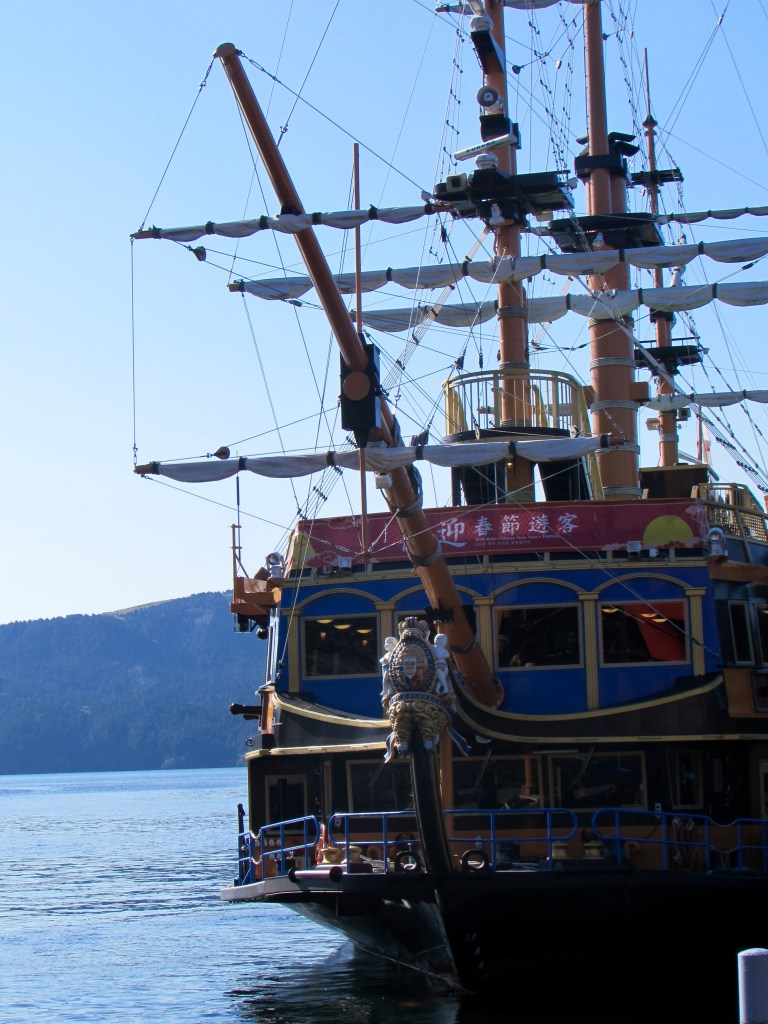

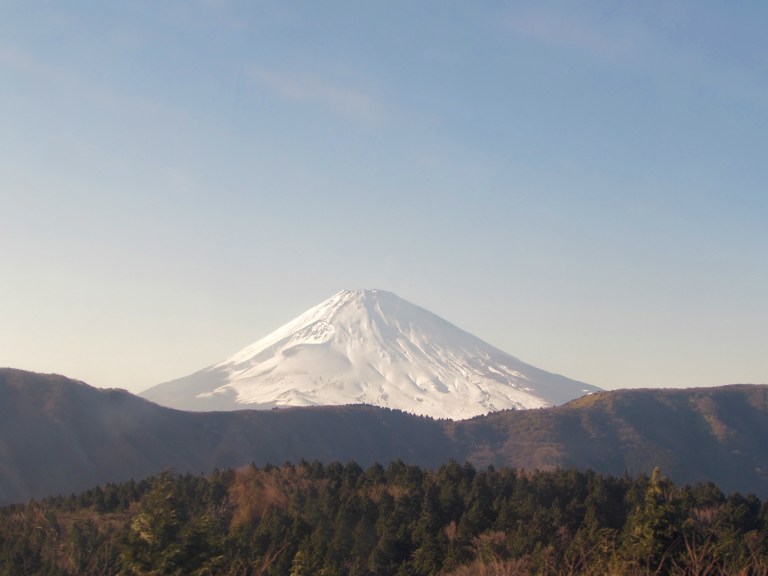
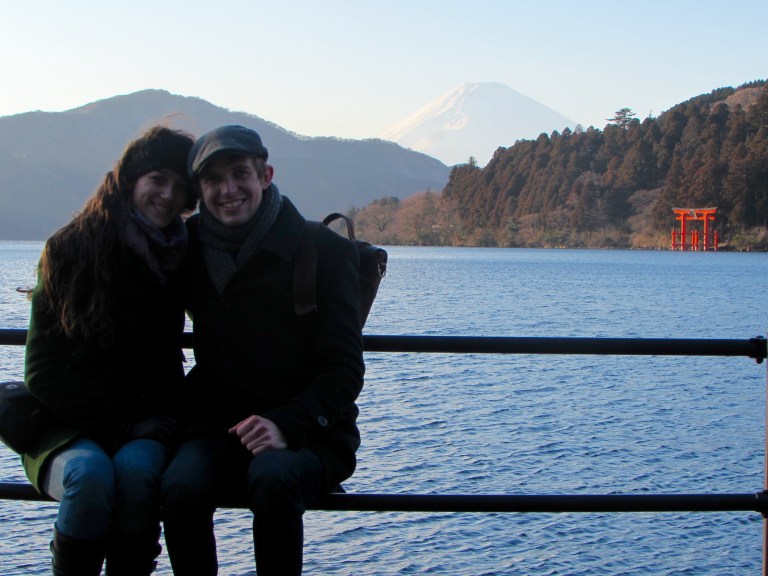
 Worn Out Shoes